At Thingtesting, everything we recommend is independently reviewed. We may earn a commission on purchases made through our links.
What Every Brand Wants? A Scent
Sales of perfumes, body mist and other fragrances products are booming, and now all brands want these products into their ranges
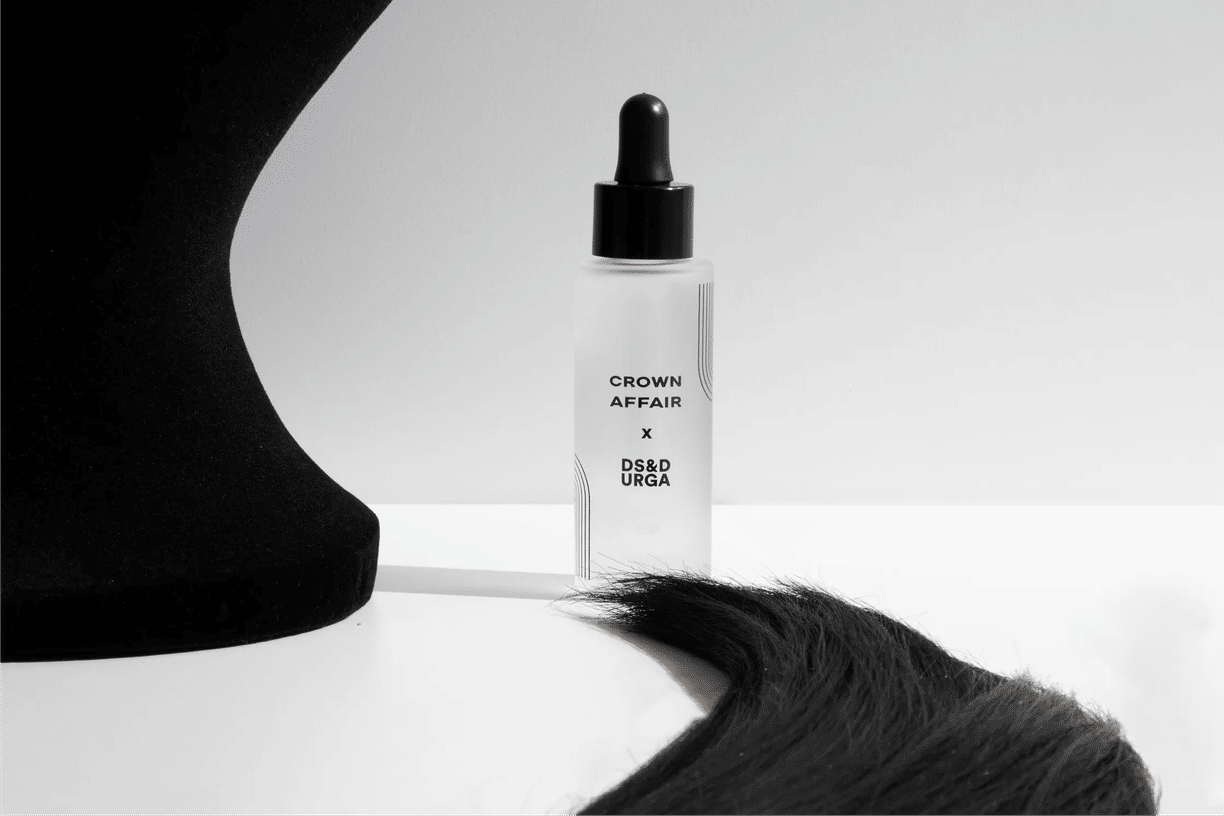
Image: D.S. & Durga x Crown Affair
Adding a fragrance to one’s portfolio used to be something celebrities and fashion houses did. Now it’s a growth strategy used across hair, laundry, jewelry, sports and more as brands have noticed just how much money is sloshing around scent right now.
In March, Summer Fridays launched its first perfume, hoping to replicate the success it has had in the lip balm category with scent. The same month, Sol de Janeiro, which started as a lotion brand and has been maneuvering into the fragrance category over the years, launched a new range of “jelly” perfumes. Hair care brands Dae and Amika have both turned their shampoo scents into standalone hair and body mists over the past year. They follow in the footsteps of Crown Affair, which launched a leave-in hair oil in collaboration with perfumer D.S. & Durga in 2021 that became its top-selling SKU at Sephora within a month of launch. Jewelry brands are going one step further, building perfume oil into wearable pendants and lockets, riffing on the Victorian tradition of scent lockets.
According to Le Monde, 6,000 new perfumes hit the market in 2025 as brands have responded to growing consumer interest around scent in general. The perfume market is expected to generate sales of $80 billion by 2030, up from $57 billion in 2024.
Olivia Jezler, a fragrance futurist and the founder of strategy firm Future of Smell, says consumer interest in scent spurred around the time of the pandemic. Stuck at home, and with little else to spend money on, people turned to perfume for an emotional lift. Even as the economy has cooled, the behaviour stuck, shifting to more affordable formats like mists and body sprays. “People were buying $350 perfumes — and these are like, kids, buying these perfumes,” Jezler says. “And everyone realized: this is continuing, it's not stopping. Six years later, fragrance is much more important than it was before.”
Younger consumers and online chatter have been driving the category, with #PerfumeTok posts on TikTok driving an estimated 45% of social media-linked scent sales in the US in 2023. There’s even a GLP-1 angle to it all, with perfume caught up in the Ozemic economy’s sprawl. With millions of people no longer eating for pleasure, Jezler says they are chasing sensory fulfilment through scent instead. “They get such satisfaction and a boost when they're using perfumes, because they’re not getting that sensory stimulation [from eating].”
Perfume’s popularity has also led to a bigger structural shift, according to Jezler, on the supply side. The fragrance houses brands contract to make their scents used to see small, unproven companies as not having enough scale to work with. Now, they're seen as future sales engines. “If you get those smaller brands and they become something, you gain a lot of market share,” Jezler says. Working with a young brand also gives big fragrance houses a read on where the culture's heading before others get there. It's a good trade: young brands get credibility and access to a growing audience of fragrance fans, and the fragrance houses get cultural intelligence and new footholds in categories they don’t already own.