At Thingtesting, everything we recommend is independently reviewed. We may earn a commission on purchases made through our links.
The Ozempic Economy Goes Further Than You’d Think
GLP-1 drugs are reshaping what people eat, wear, and buy, whether they are on these medications or not — and brands are responding.
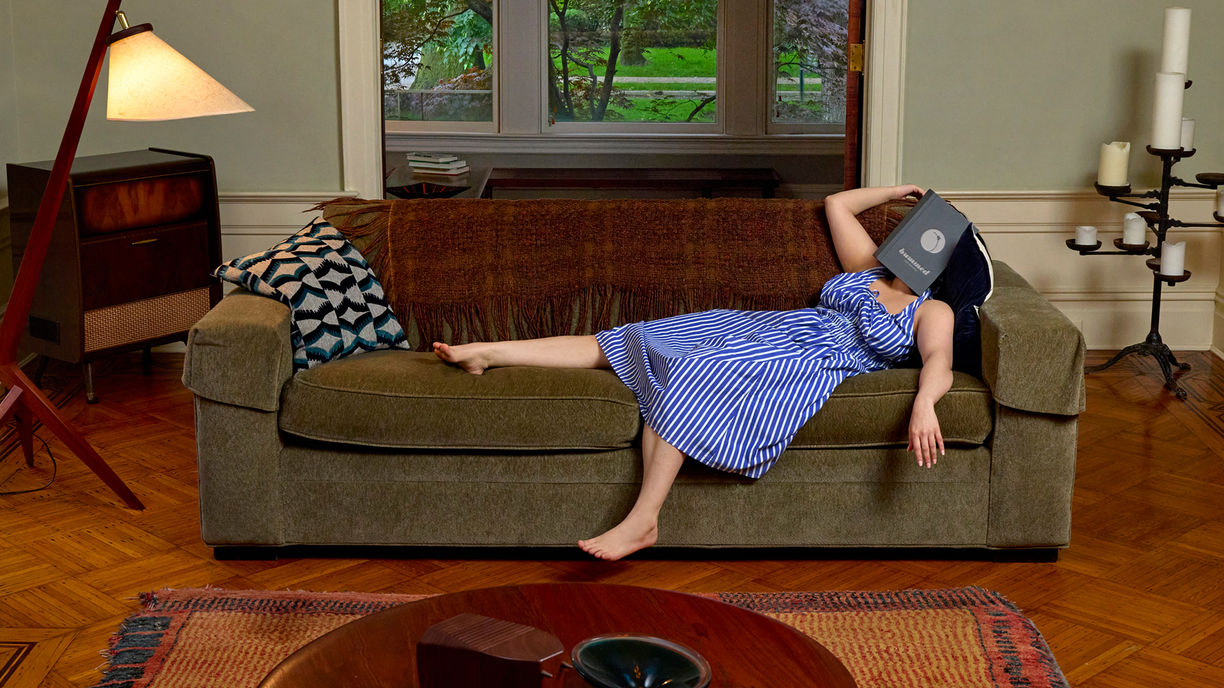
Anorectal care brand Bummed says GLP-1 users are its second-biggest customer base. (Image: Bummed)
When Marc McKee was 34 years old, a doctor told him he might not make it to his next decade. A comfort eating habit, rooted in anxiety and childhood bullying, had led to him spending almost $1,000 (£700) a month on takeaways; the resulting obesity had damaged his liver and left his blood pressure dangerously high. He had already tried everything to get his weight under control — except for a new medication, Mounjaro, which works by mimicking gut hormones like GLP-1 to regulate your appetite.
For the first time in his life, the food noise switched off, and he lost nine stone in 10 months. On his @my.journey.with.marc Instagram and Tiktok accounts, he documented how his liver had repaired itself and his blood pressure normalized, gaining hundreds of thousands of followers in the process.
He was honest about the side effects, too. As his body shrank, he noticed his skin becoming loose and dry. His followers reported the same, and so McKee set about finding a solution. In April, he launched ElastiK Skin, which sells skincare products and red light devices for people experiencing changes from rapid weight loss. It’s one of several businesses emerging in the GLP-1 era with products and services tailored to a culture where weight loss, satiety seeking and self-optimization are increasingly normalised.
The real GLP-1 economy?
Ever since Ozempic became a household name in 2021, analysts and brand consultants have talked about the downstream consumer shifts that would follow, like shrinking portion sizes, reformulated snacks, and a boom in online pharmacies.
As those things have materialised, we’ve also seen a ripple effect that isn’t pegged directly to GLP-1 drugs, but to broader cultural shifts these medicines have helped to accelerate. Skincare products from brands like AV Laboratories, Being There and Dr Few are messaging around elasticity and tightness, drinks from Recoup and Beaune promise to fill micronutrient gaps, and hair growth supplements from brands like Folly and Nutrafol are here to help combat shedding, a common symptom associated with rapid weight loss. In May, Scalp health company KeraFactor told CNBC its sales had doubled over the past year, thanks to interest from GLP-1 users.
The growing interest in these products is the result of a culture where weight loss is no longer a lifelong struggle or moral failure, but a behavior that can be more easily opted into, stepped back from, and returned to. According to Gallup, 12% of Americans now take drugs like semaglutide (Ozempic and Wegovy) or tirzepatide (Zepbound or Mounjaro) for weight loss. Another study found that even after people stop, around 60% restart treatments within two years.
Slimness now sit alongside wider wellness currents — clean eating, metabolic health, wearables, and micronutrition — that have reframed scrutiny of our bodies as due diligence. Behaviours that might have once raised eyebrows like skipping meals, eating for satiety or wanting to be smaller, have new legitimacy. Even some of the most unglamorous side effects of weight loss now have a millennial-coded brand for consumers to turn to, such as constipation, a common side effect of GLP-1 medications.
Jenny Dwork and Rebecca Monahan launched Bummed after years working together at women’s health platform Wisp, where they helped bring almost 50 products to market including GLP-1 medications. There, they witnessed first hand the side-effects people experienced.
“We knew working in the industry that constipation was one of the main reasons people go off [weight loss medications],” Dwork says. “[We thought] maybe we can help to ease the pain.” Bummed's prescriptions to treat constipation-related problems like hemorrhoids and fissures are formulated in collaboration with a colorectal surgeon. While the original idea for Bummed was to target pregnant women experiencing these problems, the second-largest group of consumers buying Bummed's products are GLP-1 users at 12%, mirroring the estimated proportion of US adults who have tried the drugs.
Bummed plans to partner with brands that have a more direct GLP-1 message, such as supplement brands, in the future as it expects this customer base to keep growing. Even among its original target audience of pregnant and postpartum women, weight loss medications have their appeal. “I have a bunch of friends who have been using smaller doses of GLP-1s to get that final weight off — but I haven’t seen anyone specifically talking to that audience yet.”
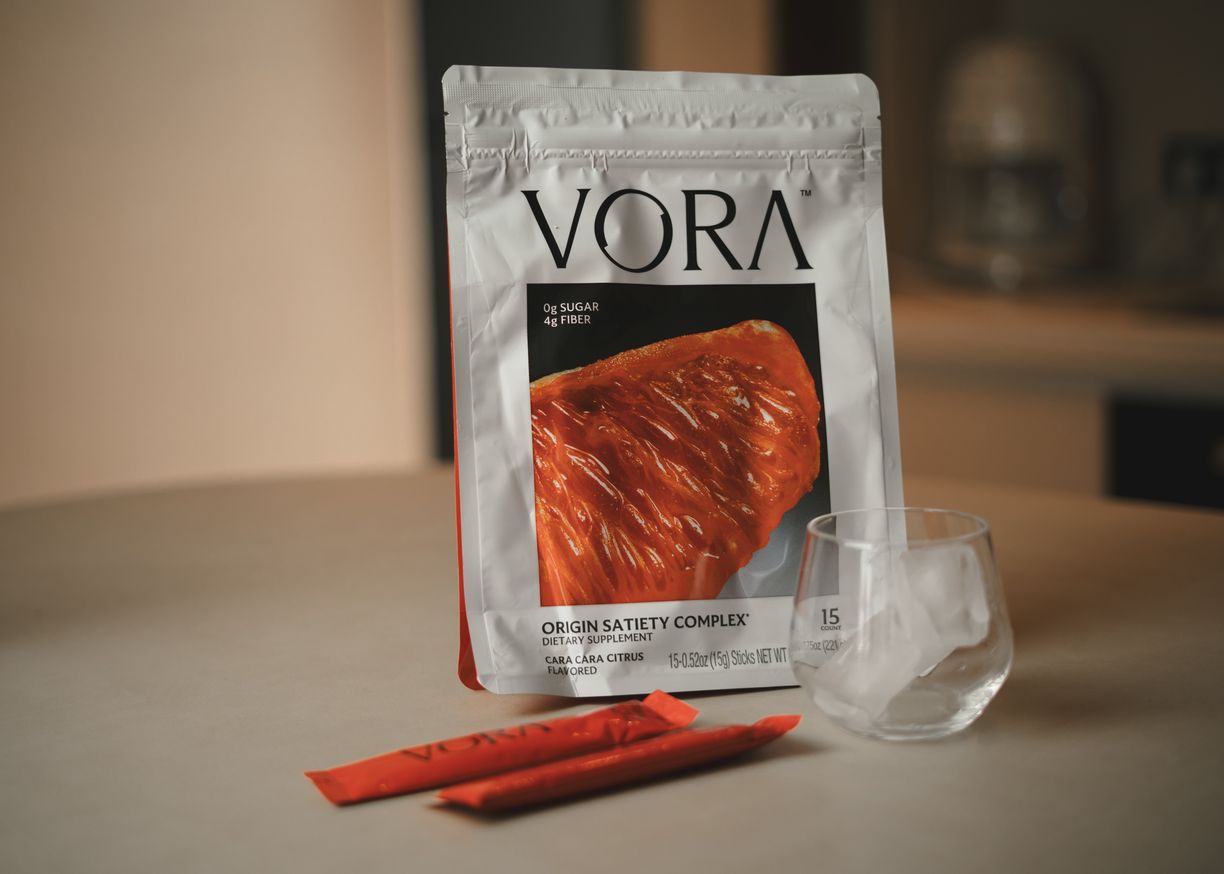
Image: Vora
A new relationship with fullness
For many products aimed at GLP-1 users, there will be just as many non-using customers caught up in the cultural current. In a world where actively managing weight, through whatever means, has become normal, even aspirational, an entirely new category of consumer has emerged: one who may never take a GLP-1 drug, but who has absorbed conversations around satiety, food noise and metabolic health, and wants products that speak to those interests.
Vora launched earlier this year with a drink mix designed to close what co-founder Johnny Tran calls the “satiety gap”: the difference between how many calories something contains and how full it actually makes you feel. “The modern diet is almost like social media for your gut,” Tran says. “You get this quick dopamine hit, the calories really fast, and your body rewards you for it. But you need the workout [to feel satisfied].”
Vora’s mixture, which contains fibre and resistant starch, prompts the gut to signal fullness by encouraging mechanisms like gastric distension and the “ileal brake”, where the gut tells the brain that it’s had enough. Vora can be taken alongside food — “the first bite of pasta is always the best, and the bajillionth bite is the worst,” says Tran — or between meals.
Vora has been careful (necessarily, given FDA regulations) not to position itself as a drug alternative or a weight loss product. “We are a fullness product,” Tran says, noting that Vora doesn't ask its customers if they take GLP-1 medications or not. “Fullness is probably some of the common ground between them.”
For McKee, the ripple effects are more literal. The weight loss that Mounjaro made possible transformed his health, but also created a new set of challenges he hadn’t anticipated, and gave him access to an audience of hundreds of thousands of people experiencing the same thing. As new, easier-to-take forms of GLP-1 medications become increasingly available, the market will only expand.
“You end up having to buy all these other things to feel your best,” he says. “But this is self-care, it's wellness, it's looking after yourself, and anyone can use these products. The benefits are wider than being on the medication.”