At Thingtesting, everything we recommend is independently reviewed. We may earn a commission on purchases made through our links.
The Art of the (Sometimes Unnecessary) Rebrand
Young brands can spend thousands of dollars updating their look. Why do they do it, and what are the risks?
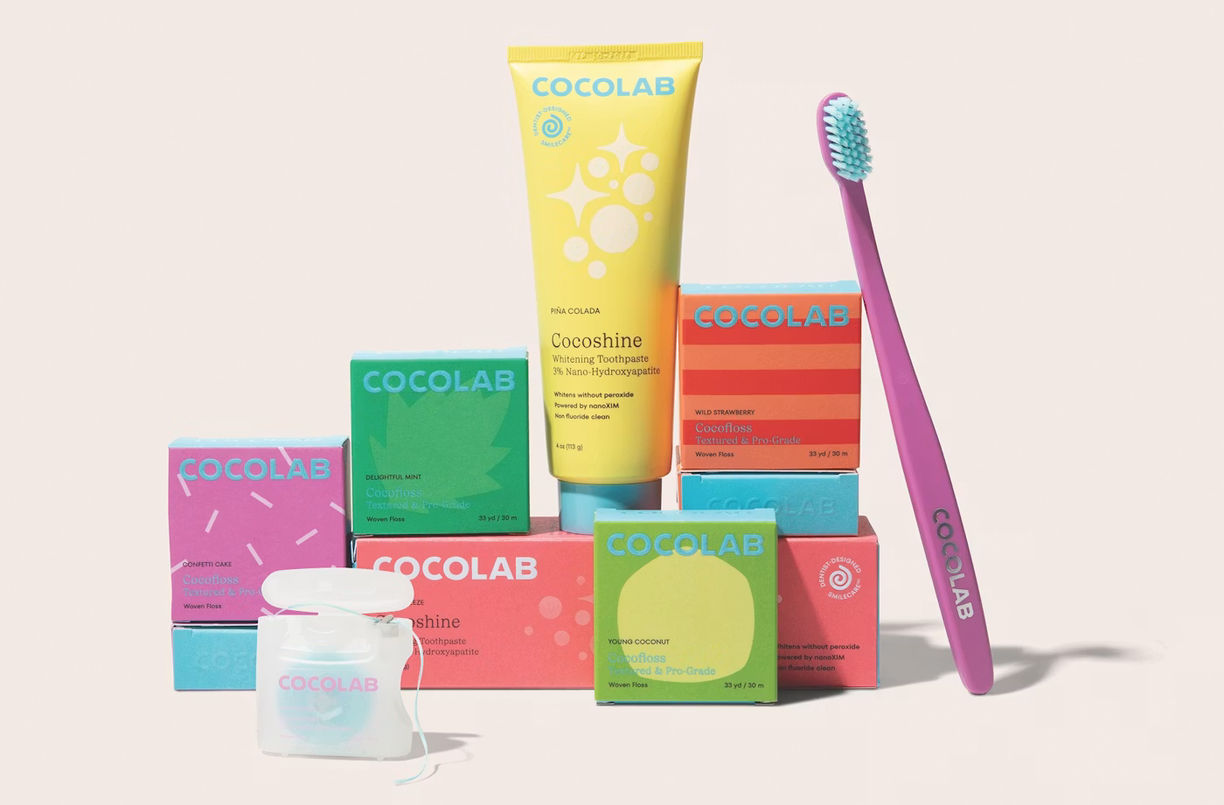
The brand formerly known as Cocofloss (Image: Cocolab) Our team is passionate about uncovering and showcasing the most interesting products online. In our effort to make shopping more thoughtful and insightful, we’ve carefully curated this list of items we believe are worth testing. If you purchase through our links, we may earn a commission that helps support Thingtesting as your go-to platform for brand discovery and honest reviews.
In June, Bryan Johnson renamed his longevity brand Blueprint to Immortals. Before that, Allbirds became NewBird, an AI company, Harry’s Inc became Mammoth Brands, Nuggs became Simulate, and NoonBrew became MoonBrew. There were all the prebiotic soda rebrands, too: Poppi started life as Mother Beverage, Olipop unveiled a new look this May, and last year Halfday zhuzhed up its packaging with some 90’s nostalgia.
Each rebrand happened for a different reason. Mammoth and Immortals wanted to stop people confusing a parent company with an eponymous sub-brand. MoonBrew’s new name reflected its focus on sleep, and Poppi wanted to avoid two things: a potential future trademark dispute, and an offputting association with the globs of goo in live vinegar.
Many founders contemplate a reset at one point in their brand’s life. Whether such a big shake-up is really needed is another question.
Getting it wrong can be expensive. A modest refresh might cost a few thousand dollars, but a full, agency-led overhaul is much pricier. This year, the clean skincare brand ESW Beauty said it spent around $500,000 on a top-to-bottom rebrand.
“A rebrand can be a powerful tool,” says graphic designer and writer Elizabeth Goodspeed, who regularly works with small consumer companies. “But it should be wielded with caution.”
What Triggers a Brand Refresh
Often with small companies, not much of a brand exists to begin with. Founders pour their energy into perfecting their product, and call in the professionals once they have built up a bit of momentum. “When I get brought in, it’s usually the first time they’ve engaged a real designer,” says Goodspeed.
A retail launch or an expansion beyond the initial product range can also force a rethink. Packaging that pops on Instagram can fall flat on the real-life aisles, while a name tied too closely to a flagship product can stop customers looking for more. Cocofloss became Cocolab this year because its single-product name no longer fit a lineup that had grown from floss to include toothpaste and toothbrushes too.
New hires bring fresh eyes, too. A brand’s first marketing or operations hire, Goodspeed says, may notice there aren’t actually any decent brand assets to share on social media or with potential retailers.
The trap, Goodspeed warns, is embarking on a rebrand instead of asking what is the problem that actually needs solving. “The success of a rebrand should be determined by the goals of the business,” she says, adding that chasing scale for its own sake can backfire. Brands chasing whatever’s current also end up perpetually a step behind, Goodspeed notes, and risk looking the same as their competitors. “If you try to make a brand that appeals to everyone, you can end up making something very boring.”
When cult fragrance label Boy Smells rebranded in 2025, it traded its pink-and-black bottles for Gen-Z-coded colorful glass, reformulating its scents, and discontinued fan favorites like LES and Cashmere Kush. Sales reportedly rose, but core customers weren’t happy, calling the makeover a “Sephorafication.”
For Goodspeed, a better question than how to go about a rebrand is whether one is even needed. “Is this really about the fact you’re in the wrong grocery stores? Is this a price thing?” she asks. “Should we actually do… less branding?”