At Thingtesting, everything we recommend is independently reviewed. We may earn a commission on purchases made through our links.
Peptide Platforms are Here. Can You Trust Them?
A new wave of platforms want you to start taking peptides. But with regulations changing and a grey market already in place, how will they build trust?
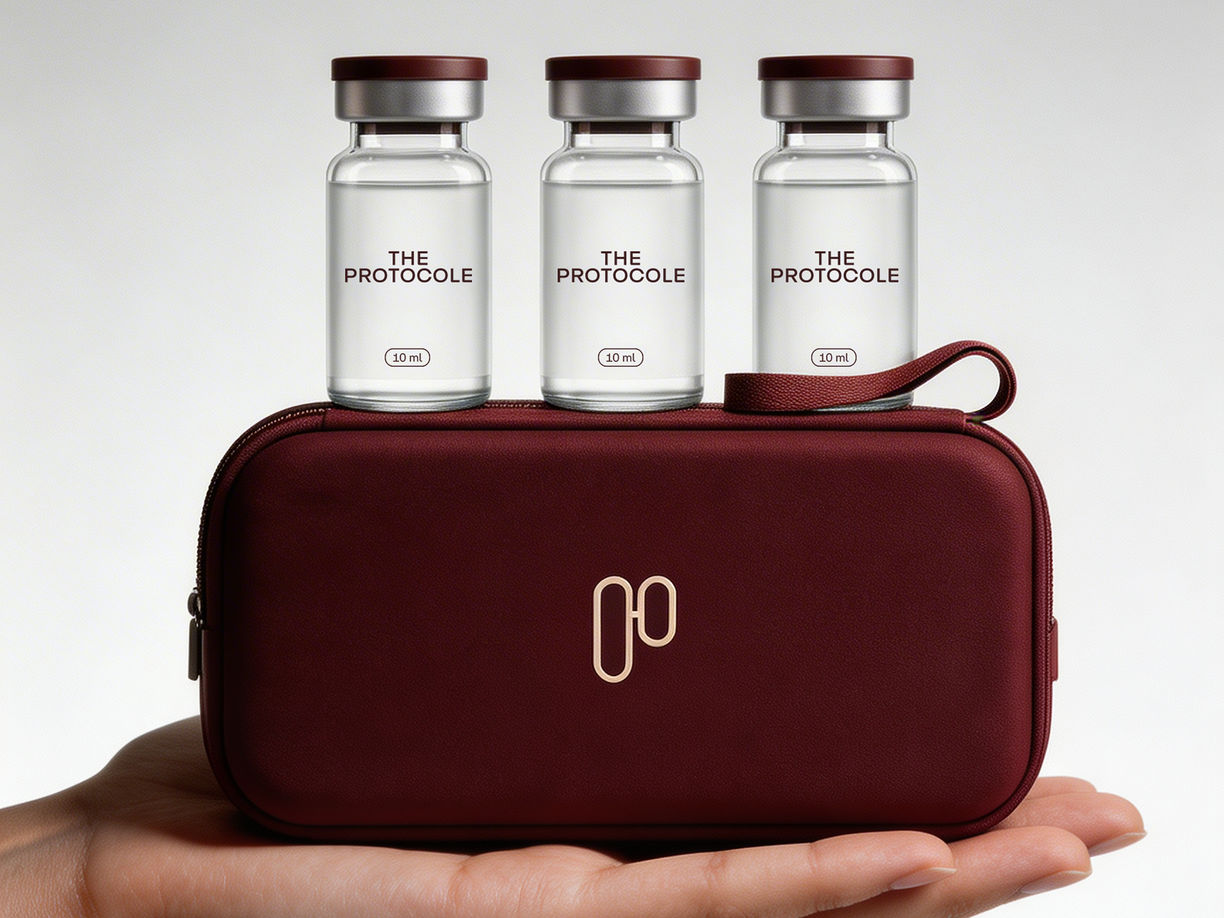
Image: The Protocole
Eighteen months ago, buying peptides was a bit like buying drugs. To score, you’d need an invite to the right Discord server, or a hook-up who could source what you wanted from a mysterious lab in China. When the vials arrived, you couldn’t quite be sure what was in them.
Now a wave of new platforms are promising to provide a legitimate alternative to consumers who are interested in peptides, but concerned about safety. This year alone, System Labs, Everin, Phases, The Protocole, and others have launched or announced their intentions to sell peptides in an above-board manner. Their pitches are similar — by partnering with doctors and licensed pharmacists, they can provide a service that is more Hims than hook-up, meaning more consumers might feel comfortable giving these medications a go. But how can a category that graduated from group chats build trust?
The Problem with Peptides
Peptides are short amino-acid chains that are naturally produced by the body. A few are already familiar. Insulin has been around for more than 100 years, and GLP-1 drugs like Ozempic and Mounjaro are household names. But other peptides — like BPC-157, popular for recovery and injury repair, and Semax, a nootropic taken for focus — are not currently approved for human use, despite their growing popularity.
In 2023, the FDA reclassified more than a dozen peptides as substances that pose safety risks, meaning they could no longer be marketed or prescribed for human consumption. Last week, an FDA advisory committee voted to recommend restoring six of them — including BPC-157, TB-500 and KPV — to the list of substances pharmacies may legally compound. But a further ruling from the FDA is still needed before licensed pharmacies can start legally compounding them again.
This legal limbo has produced a grey market as people have sought ways to keep getting the peptides they were already taking, or explore the space for the first time. “A lot of the time, people are initiated because they have a friend, or they know someone who’s like ‘hey, I have a guy,’” says Delphine Le Grand, who is the co-founder of peptide telehealth platform The Protocole, and has been taking peptides for a number of years now. “If you go to Miami, everyone’s got a peptide dealer of sorts.” Accessing the peptides is one thing, Le Grand says, but users are left to work out things like what dose to take and how to inject at home by themselves. “There wasn’t any company or service that was able to answer those questions effectively,” she says.
Building a Peptide Platform
Le Grand’s solution was to borrow from the telehealth playbook. Via The Protocole’s website, a customer fills out a health assessment, a licensed physician reviews their history and goals and then, if appropriate, prescribes. A licensed 503A compounding pharmacy then makes the medication to order, and customers are coached through the injections and their ongoing progress. Each batch is third-party tested, and Le Grand estimates that around one in 10 applicants are turned away on safety grounds such as cancer history or potential drug interactions. Since launching in April, she says “thousands” have signed up.
Much of what The Protocole sells is reassurance, and the website’s luxury-but-clinical aesthetic does a fair amount of heavy lifting in this respect. “I’m not going to buy from a shirtless, sweaty man selling something to me on X,” Le Grand says, adding that 70% of The Protocole’s customers are women. The Protocole is also careful to communicate that peptides are not shortcuts. “This is not the Adderall effect, where you take it and then you’re like, ‘I’m so locked in,’” she says. “Typically, most people should start to experience something within four weeks.”
Phases, a soon-to-launch platform from Floom founder Lana Elie-Meyers, is taking a similar approach. Elie-Meyers, who started taking peptides while postpartum, says the model relies on “a clinician between you and the product”, who is given the autonomy to make decisions about what they will and won’t prescribe. Like Le Grand, she is building for women, who she says want something different from the biohacking men people typically conjure when talking about peptides. For women, Elie-Meyers says the decision to take peptides is typically “less about longevity and more about feeling like themselves again,” citing things like shifting small amounts of weight or wanting to be strong for their kids as common motivations.
Adam Steinle is also a long-time taker of peptides. Before starting System Labs, he founded and sold Verse Therapy, which he says was the US’s largest network of Medicaid speech therapists. He is, by his own account, someone who likes to test his own limits. He describes himself as a former raver and party guy, is fascinated by things like looksmaxxing, and has run ultramarathons for the past decade. He first took peptides to shave his race times, and describes injecting peptides as something “nihilistic.”
But Steinle has matured in his approach as he has sensed the commercial advantage to be gained by doing things properly. System Labs sells only a handful of well-established compounds, and does not touch the buzzy, not-yet-cleared ones like BPC-157 and TB-500 that appear on other websites. The business is growing fine without them, he says, adding that System Labs has already served thousands of customers. He says he wants System Labs to feel less like a supplement brand or medical concierge, and more like a sterile government facility. “I wanted it to look like a lab from the 1960s, when America was most optimistic about science,” he says. “The aesthetics should be boring, in a way.”
Looking further to the future, Steinle says the plan is to acquire more parts of the supply chain, such as a pharmacy and ingredients manufacturer, so “I can be the manufacturer for other people's pharmacies.”
The Trouble With Being First
As product categories go, peptides are far more political than sunscreen or magnesium tablets. Health secretary Robert F. Kennedy Jr. is a known fan of peptides, and keen to broaden access. Last week’s vote was controversial, too. Several members of the panel that voted yes have financial ties to the peptide industry, according to the Associated Press, while the FDA’s own scientists remain cautious, with The Atlantic citing one official saying “we don’t actually know with any certainty what it [BPC-157] is.”
If anything, this uncertainty has encouraged brands to get poised. In the race to be first, and ready the moment rules loosen, several platforms already include BPC-157, TB-500 and KPV on their peptide menus, even though those substances aren’t currently approved for compounding. When asked, the platforms say their doctor and pharmacy partners ultimately decide what gets prescribed and dispensed. It remains unclear through what method a consumer could actually obtain BPC-157, for example, via these platforms. In a new market trying to build trust, shoppers may be left confused.
Platforms working with physicians and licensed pharmacists are an improvement on the grey-market methods many have been using to source peptides. Platforms that take their position as brokers of medication seriously may well help to close “the gap between the noise — podcasts, TikTok — and the actual standard for what's safe,” as Elie-Meyers puts it.
But for consumers hoping to get started on their protocols today, the question of trust may still ultimately come down to personal discretion — and further movement from the FDA.