At Thingtesting, everything we recommend is independently reviewed. We may earn a commission on purchases made through our links.
How are Supplement Brands Riding the $800m Magnesium Wave?
Magnesium is now the most-Googled supplement in the US. How are brands seizing the opportunity — and keeping up with demand?
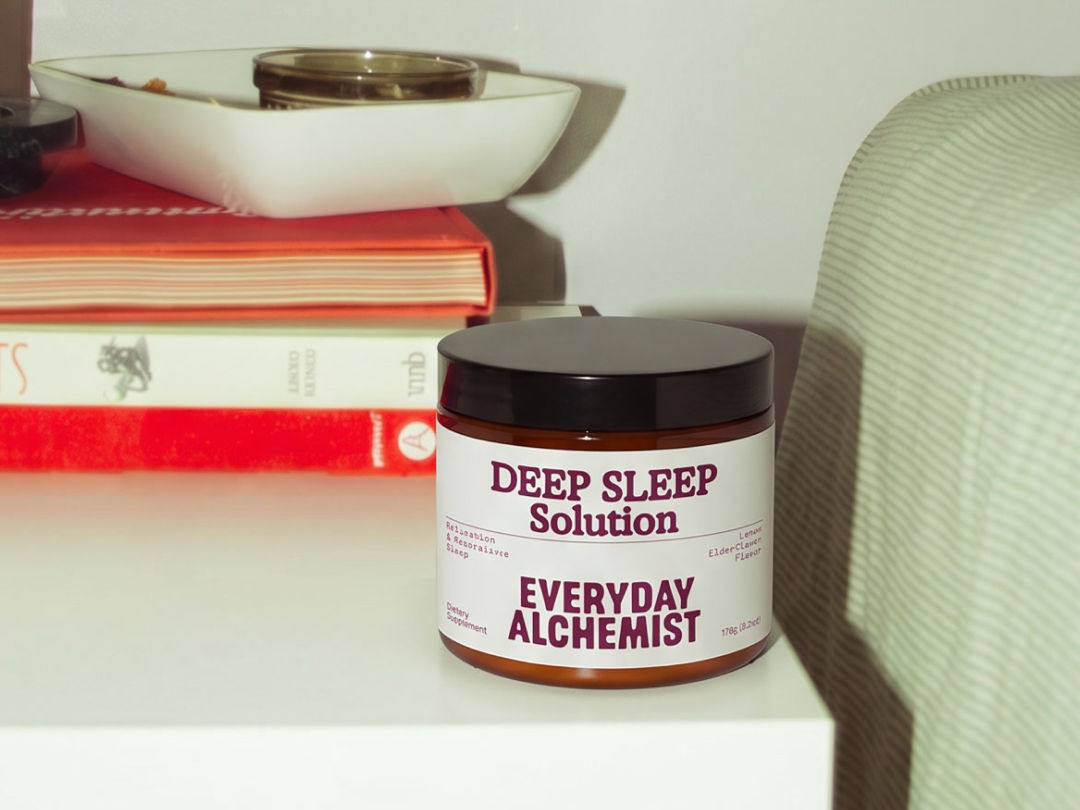
Photo: Everyday Alchemist
Roughly twice a year, drums of white powder arrive at a manufacturing facility somewhere in the US. They are logged, inspected and sampled before anyone is allowed to touch them. Technicians test for heavy metals, contaminants and purity. Once the paperwork comes back with the all-clear, the powder is cut with other ingredients — if you were to stick your finger in the pure substance for a taste, it would be bitter — and tested one last time. Then it's portioned out and packed up ready for customers.
Those customers are multiplying fast. Demand for the substance has grown so fast that the labs can no longer keep up. Testing that once took two weeks to complete now routinely takes four. The manufacturers who make up the finished product are booked out months in advance.
The ingredient in question is magnesium, and the brand behind this particular operation is Foria, which has built its name as a sexual wellness brand over the past decade, but acquired the magnesium sleep and stress supplement brand Ned in 2024. “Magnesium is having this moment,” says Gemma DePalma, COO & CPO of Foria. “And we thought it would be a great fit, because it’s [also] happening in the bedroom. It’s an extension of intimacy.”
The Magnesium Gold Rush
Magnesium has always been essential to the human body, involved in more than 300 biochemical reactions and helping with things like muscle recovery, blood pressure regulation and sleep. But over the past few years, interest in the mineral has exploded.
It's now the most-Googled supplement ingredient in the US, and there are over a million videos on TikTok with the #magnesium tag. Brands have been more than happy to meet demand, launching drink mixes, body sprays, capsules and even food containing the ingredient. According to Modern Retail, citing data from e-commerce platform PrettyDamnQuick, the number of stores selling products with “magnesium” in the name rose by 500% in the six months to February 2026. By 2033, sales of magnesium supplements are expected to hit $800m, up from around $470m in 2024.
“The fact it took TikTok to make people pay attention is a little absurd,” says Mirko Mandic of Everyday Alchemist, the magnesium sleep supplement brand he founded in 2024 after scouring the market for a melatonin-free supplement for himself. “But I’ll take it.”
Standing Out in a Sea of Powder
Launching a magnesium product as a small brand is not easy — Mandic says he invested $20,000 and two years of his life to bring the single SKU Everyday Alchemist sells to the market — particularly when many other brands seem to have had the same idea as you.
Operational challenges come with popularity. Last year, Everyday Alchemist found itself out of stock for roughly two weeks, due to an error in inventory planning. “The demand for magnesium-based sleep [products] is steady enough that people notice quickly when it’s gone,” says Mandic. “I got an email from one customer saying ‘when are you coming back? I use this every single night’.” DePalma says production timelines for magnesium products have stretched, now taking around 10-14 weeks in total, compared to 6-8 a few years ago.
Then there’s the question of how to actually stand out when new magnesium products are flooding the digital and physical shelves. Not all forms of magnesium are equal, and the brands selling at the premium end of the market argue that higher price points should equate to better quality in consumers' eyes, given that magnesium glycinate (the form Foria and Everyday Alchemist use) is the most bioavailable, but also the most expensive.
According to one brand in the space, the cost differences between forms is substantial enough that prices cannot be fully passed on to consumers, meaning margins have to shrink. In exchange, they’re hoping higher quality ingredients that produce an easier-to-detect effect will help them secure repeat customers. “When a customer’s first experience with magnesium disappoints them, they don’t blame the brand, they blame the ingredient,” says Mandic.
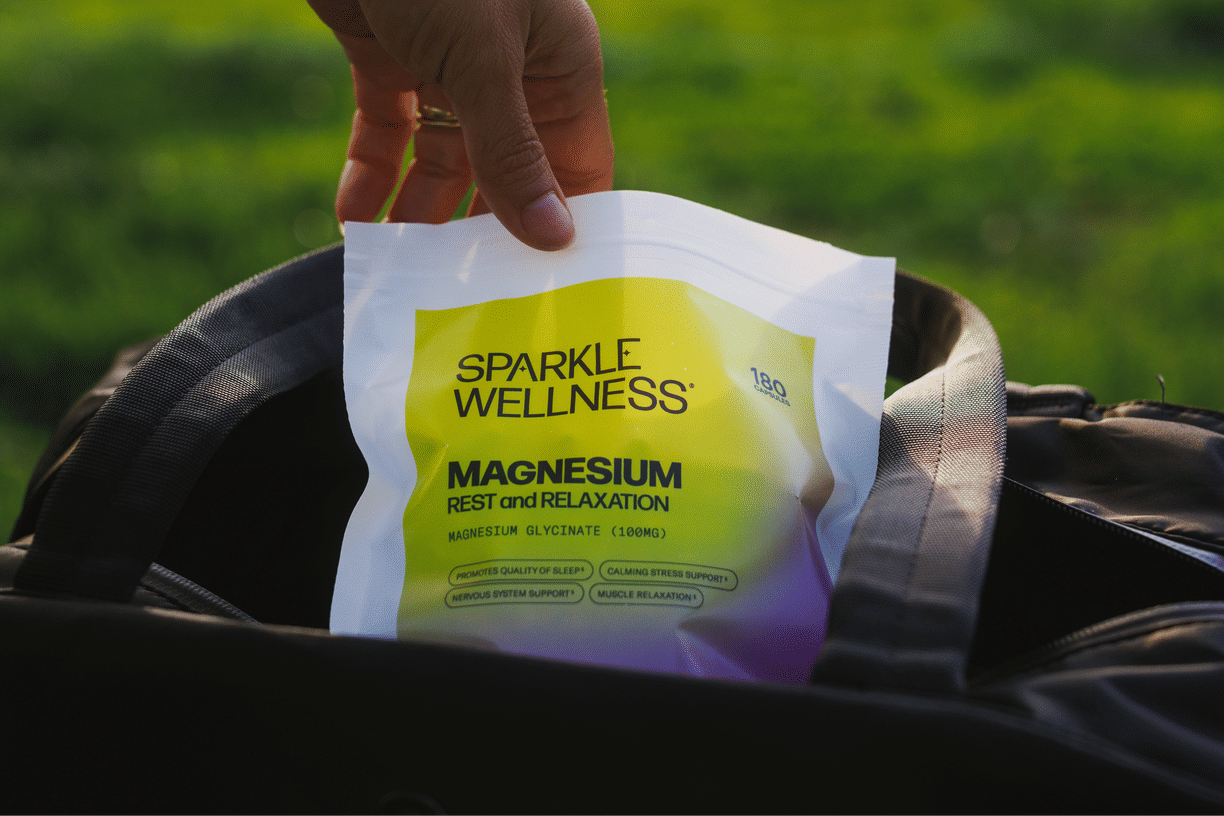
Photo: Sparkle Wellness
Sparkle Wellness, which launched its magnesium glycinate tablets in March, is taking an even more targeted approach, focusing on perimenopausal women, a demographic for whom magnesium depletion is documented. “The supplement industry is full of ingredients that have their moment and disappear,” says O’Neil. “The test we apply is pretty simple: is the interest being driven by content, or by a genuine unmet need?”
Adding ingredients that complement magnesium’s effects — and give customers the impression they’re getting more bang for their buck — is another tactic brands are using to help their products stand out among the more generic supplements. Foria’s Shuteye Chai, which launched in March, wraps magnesium in warm milk, spices, mushrooms, adaptogens and l-theanine. Everyday Alchemists’ blend contains glycine, inositol and l-theanine. “Consumers are increasingly looking for products that combine efficacy with ritual and sensory experience,” says DePalma, who hopes consumers see the drink as a daily nightcap.
When peak consumer interest around magnesium will be reached, and what happens after, remains to be seen.
But in the meantime, these hyper-focused approaches to selling magnesium also come with a knock-on competitive advantage: while they have consumers' interest, brands can spend time writing blogs or talking to the press about how these formulations work, increasing the chances of AI tools like ChatGPT or Claude surfacing their products and explanations when consumers ask questions like: “what type of magnesium is best for sleep?”
Mandic estimates that roughly 20% of new Everyday Alchemist customers now first hear about the brand through chatbots. “AI has basically become the new front door for discovery,” he says. “PR matters more than ever, because AI can only recommend what’s been written about in depth.”