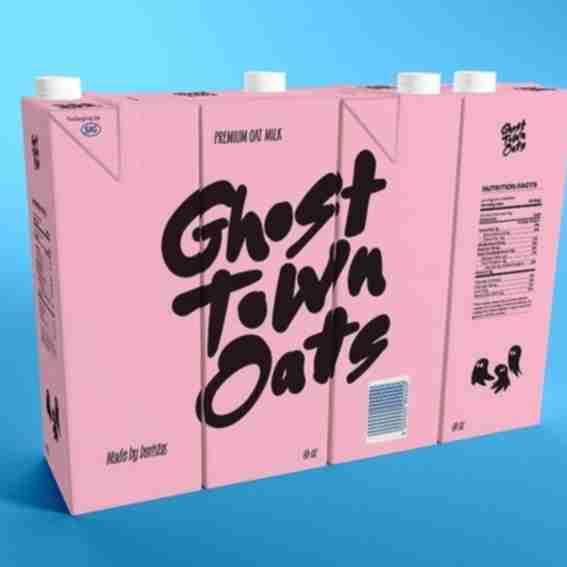
Ghost Town Oats

5.0 • 3 Reviews

Ghost Town Oats makes delicious oat milk to replace the dairy in coffee, cereal, mac n cheese, and more.

Shop Arrow up right
Ghost Town Oats Reviews

5.0

Photos

Articles

Reviews and Posts

View all 3

  • really so so great! I've had ghost town oats a few times in my matchas at Community Goods in LA and hope more coffee shops start using the brand as their choice oat milk soon. It's a very clean brand and tastes so creamy and delicious without making me feel sick after (ahem Oatly, that's you :/).

    Feedback

    I want to see more of Ghost Town Oats

  • I've seen this oat milk brand popping up across various cafes in LA recently (Little Lunch in Venice, Community Goods in WeHo, BarNine in Culver City etc). The packaging is eye catching and gorgeous, love that it is women owned, and I can attest that it pairs super well with matcha! I would definitely experiment with using this oat milk at home if it were available in Seattle.

    Feedback

    I hope you expand more soon (have only seen you in LA so far) and come to Seattle <3

  • I discovered GTO in late 2021, my only complaint is that it's so hard to find in stock online. They don't yet sell it locally where I live (Maine) so I have to rely on 3rd party sites and they are almost always sold out :( Highly recommend for anyone who loves a creamy latte at home

Alternatives

What is Ghost Town Oats?

Ghost Town Oats makes delicious oat milk to replace the dairy in coffee, cereal, mac n cheese, and more.

In their own words

Ghost Town Oats is the first Black-owned and barista owned oat milk company in the United States. Founded by Michelle R. Johnson with founding partners Ezra D. Baker and Eric J. Grimm, Ghost Town Oats is a premium barista quality oat milk designed for optimal performance in coffee shops and also as a standalone beverage for drinking and cooking. Ghost Town's mission is oat milk for every block, not just the gentrified ones. After an initial rollout in coffee shops, Ghost Town Oats will prioritize launches in convenience stores and bodegas, where oat milk isn't often found, particularly to reach communities of color who have higher incidences of lactose intolerance and have been classically excluded from the plant-based sphere.