At Thingtesting, everything we recommend is independently reviewed. We may earn a commission on purchases made through our links.
Which Subscriptions Do Shoppers Actually Keep?
Shoppers once subscribed to socks, underpants, pickles and more. Now they're cutting back, and brands are learning which products people will actually buy on repeat
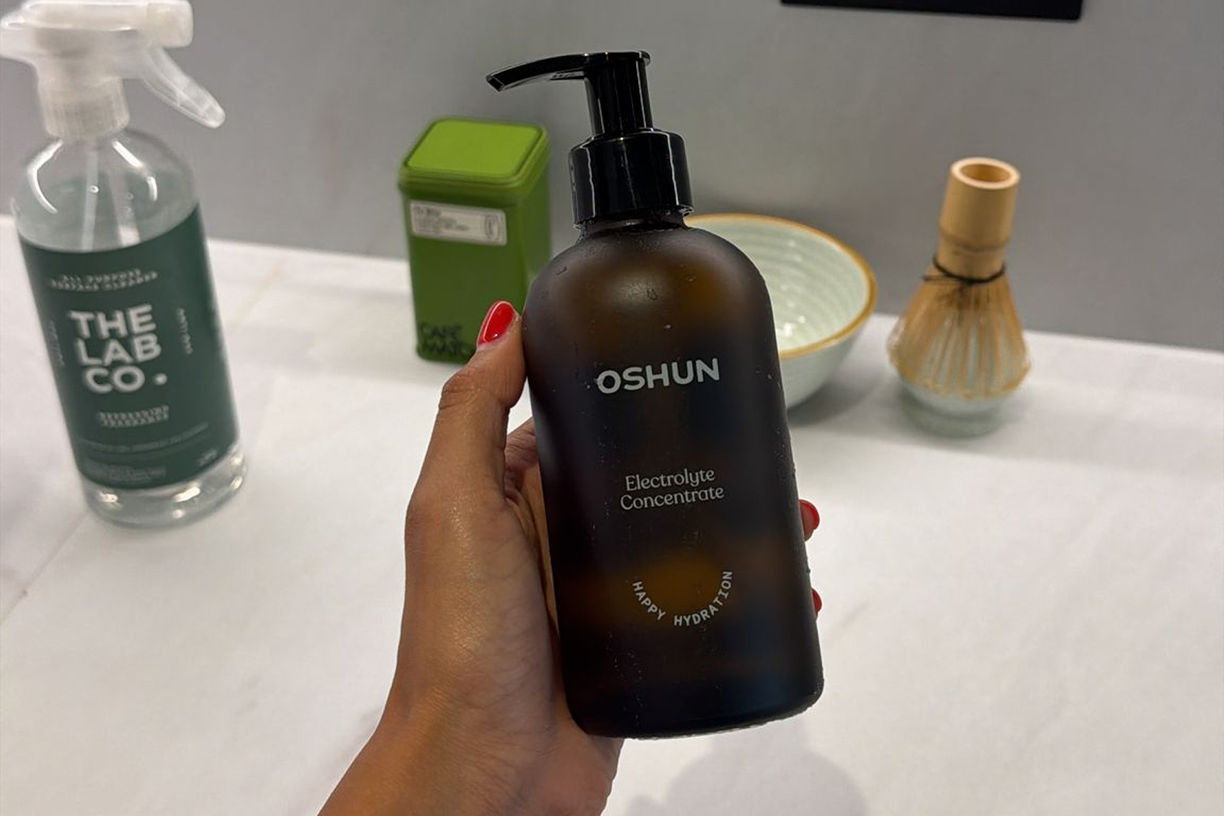
Image: Oshun
In the 2010s, a bunch of brands decided to try out something new and novel: getting people to subscribe to their online shopping. By 2015, it was possible to get razors sent on schedule from brands like Dollar Shave Club and Harry’s, or to get an absurdly bulky box of toilet paper delivered to your door, courtesy of Who Gives a Crap, and its menagerie of copycat competitors. Amazon took the hype further, launching the Dash Button in 2015, a WiFi-connected plastic button you’d stick on your washing machine and press whenever you needed more Tide pods, and taking Subscribe & Save international a year later.
There was no limit to what could be ordered on repeat. There were Bacon of the Month Clubs, services devoted entirely to black socks and $54-a-month pickle subscriptions. You could subscribe to clothes, via (now-defunct) Le Tote, or underpants, with MeUndies. Essentially, if it could be sent to you in the post, there’d be a brand willing to do that for you every 30 days.
A decade later, excitement around subscriptions has faded. Consumers have realized that things like razors and pet food don't neatly run out every 30 days. Household budgets, meanwhile, have been squeezed by rising costs, and shoppers to scrutinizing monthly charges more closely.
According to subscriptions platform Recharge, the number of subscribers to brands using its platform grew by 25% in 2024. Yet the same report found that the average number of subscriptions per shopper has fallen from 2.7 in 2022 to 2.3. And a 2026 report on the subscription box industry from Subsummit found that more than half of consumers had cancelled at least one subscription in the past year. Shoppers are still willing to sign up, but are becoming far pickier about what they’ll keep.
So in 2026, what does it take for a subscription to stick?
Making Sense of Subscriptions
Joe Welstead co-founded the supplement brand Motion Nutrition in 2016, back when subscriptions were all the rage among direct-to-consumer founders. Today he runs Oshun, an electrolyte brand.
Welstead found that subscriptions worked well at Motion for its two hero products, Power Up and Unplug, a daytime nootropic and a natural sleep aid — things customers didn’t want to get caught short on. “In that circumstance, subscription is great. It removes a worry,” says Welstead. Even so, he is taking a different approach with Oshun. “We were seeing so many people force-fed subscriptions, and I was concerned about fatigue.”
During its first three months in business, Welstead spoke to Oshun customers to find out who was buying and why. Once the brand’s ad engine was up and running, he collected more data to see how many customers were coming back again and again. Only then did Oshun make subscriptions the default option on its website, and today they account for 60% of checkouts compared to 30% before subscriptions were switched on in January 2025, he says. In September, the brand hit 10,000 subscribers, says Welstead.
“There was a time when, from the brand’s perspective, subscriptions were this shiny object,” he says. “Everybody tried to nail subscriptions, but for them to make sense [for a brand], they need to make sense for the consumer.”
To encourage subscribers, Oshun recently replaced the plastic refillable bottles it was sending with its customers' initial orders with a sturdier glass one. Today, new customers receive the empty glass bottle with their first order along with a pouch of electrolyes to fill it up with, whether they have chosen to subscribe or not. It’s a persuasive format, says Welstead. “You immediately understand this is something you’re going to refill again. Even if you’re not subscribed, it changes the dynamic.”
Consumer-Friendly Subscriptions
Eli Weiss, VP of Advocacy at retention platform Yotpo, has seen subscriptions move up and down in importance for ecommerce brand operators. “In the glory days of subscription, brands kind of forced people into [them],” he says. “But what’s in it for a consumer to get underwear on routine? Ten years later, nobody’s subscribing to [that].” (Indeed, in 2018 MeUndies pivoted from a subscription model to a membership.)
Subscriptions still work, he says, for products people use daily and can’t bear to run out of, like supplements, or anything baby related. They fail, he says, when a brand leans on steep discounts or long commitments to lock people into something they’ve not yet tried — and before they know if they even like it.
“It makes no sense as a first-time consumer,” he says. But for a brand, the appeal has always been obvious. “If you’re telling me I can either try and generate new business every month, or simply get paid every month, it’s straightforward why somebody would choose the subscription,” he says.
The problem, Weiss says, is that brands were, for a long time, too focused on what subscriptions could do for them, instead of thinking about what makes sense from the customers’ perspective. The subscriptions that will stick around, he predicts, will be built around the shopper. “If it’s not consumer-friendly, it’ll be dead,” he says. “That’s the future: consumer-friendly subscriptions.”
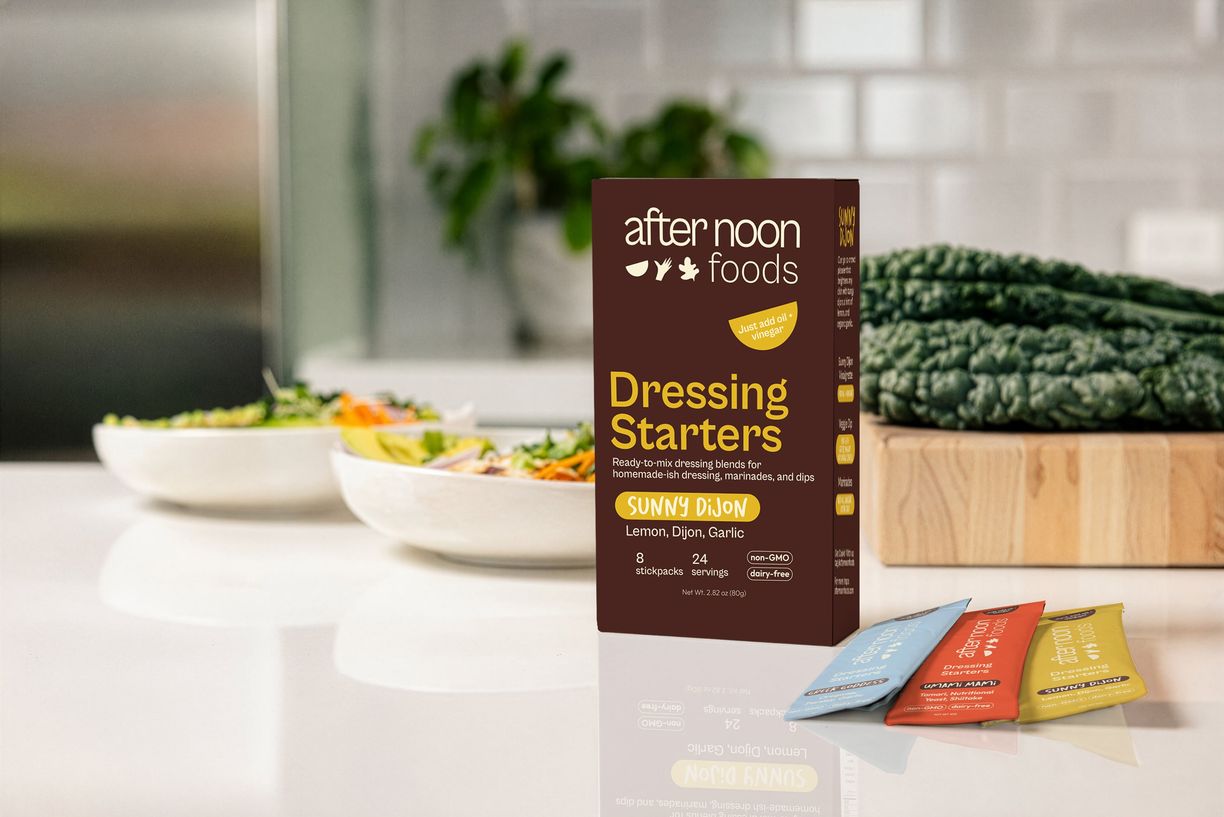
Image: After Noon Foods
Not Another Subscription
Kelly Duerr, the co-founder of salad dressing brand After Noon Foods, says this is essentially the North Star of her brand’s subscription strategy. “Customers are a bit less excited to just sign up for any subscription they’re offered, even if it’s a good offer,” she says. “They think about it as another thing I’m going to have to cancel. Another hassle in my life.”
After Noon sells packets of salad dressing mix that are combined with oil and vinegar before eating. The founders held off on adding a subscription offer until July 2026, by which point After Noon had been in business for a year and the founders had seen how people were actually using the product. Many shoppers, it turned out, were sprinkling the mixes over roast vegetables or whipping them up into marinades or dips, as well as salad dressings. “We know they’re not using After Noon every single day,” Duerr says. “But if we can get people to use them two or three times a week, we’re in a great place.”
After Noon started pushing content and recipes that showed customers other ways to use the salad dressing mixes, and then added an option to the site for shoppers to get refills every 60 days, despite advisors suggesting a standard 30-day term. “There’s nothing worse than getting a delivery and being like, oh, I already have a bunch of this,” Duerr says. Many of After Noon’s customers live in New York and Los Angeles — cities known for small apartments with little storage space. Customers who want the product more often can manually update their subscription, Duerr says. That kind of flexibility is now a standard consumer expectation: Recharge found that 53% of subscribers paused, skipped or adjusted an order in 2024.
So far, about 30% of After Noon’s new customers sign up for a subscription, drawn by free shipping and a complimentary shaker jar for mixing and storing dressings. Subscriptions now make up about 18% of all orders, and Duerr is targeting 28% by the end of this year. After Noon is also lining up perks with like-minded brands, such as olive oils or vinegars that consumers might want to use for mixing, which will be offered to subscribers.
The commercial logic of subscriptions is simple. “Most of us do not make money on the first order,” Duerr says of the nature of selling products online as a young brand, pointing to rising ad costs. “You have to come to market with a great product where people are going to come back and buy it, so you can make a profit and stay in business. With subscription, it’s just much easier.”
The products that earn a place in a shopper’s shrinking roster of subscriptions, Duerr says, are the ones that genuinely offer convenience. “It’s anything you either can’t find at the store or that’s annoying to buy at the store,” she says. “Do you want to carry that big thing of toilet paper home, especially when you live in a city?”