At Thingtesting, everything we recommend is independently reviewed. We may earn a commission on purchases made through our links.
Could a New, Functional Hot Drink Take Coffee’s Place?
Coffee is losing its grip on younger drinkers. As the weather turns colder, could fancy hot chocolate and functional drink blends win them over?
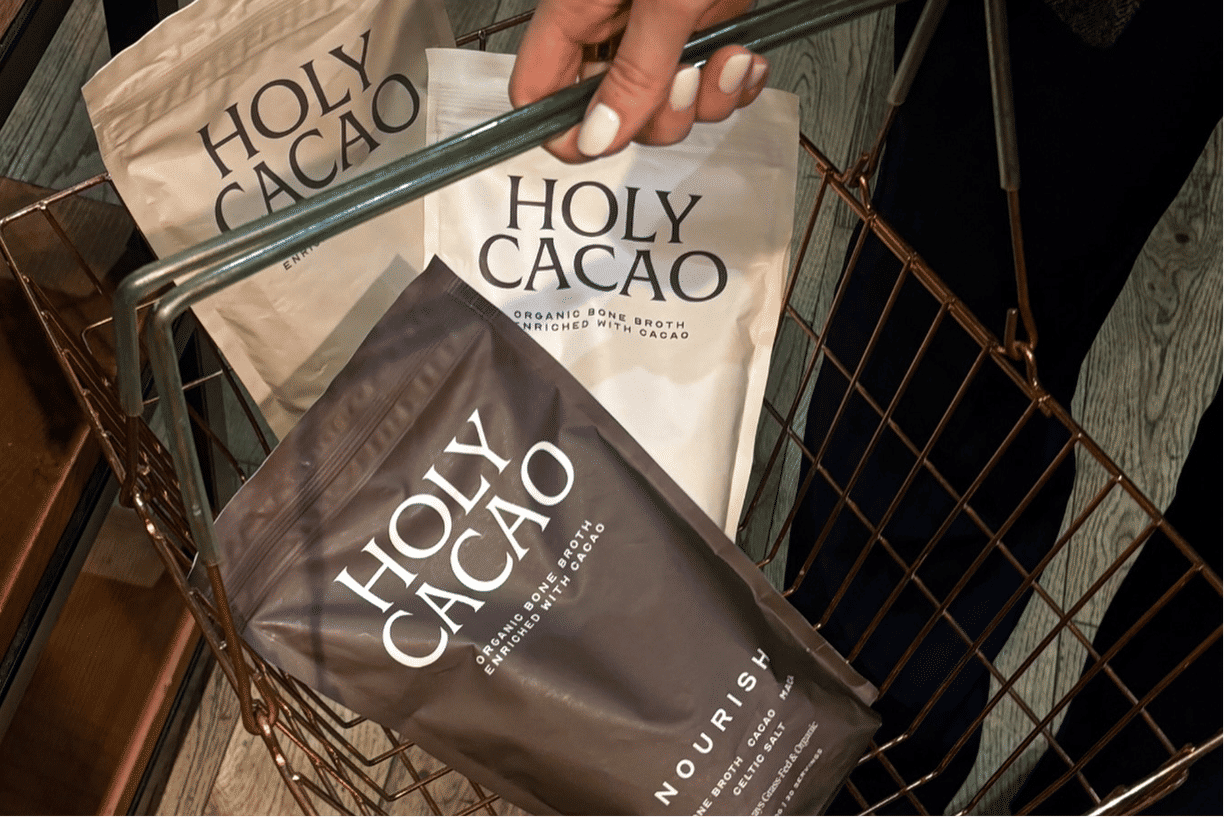
Image: Holy Cacao
For some, their morning coffee is non-negotiable. But for plenty of young Americans, giving up is no big deal. According to a recent Citi Research survey, 31% of US consumers aged 16 to 24 say energy drinks are their preferred caffeine source, while those who rank coffee top have fallen to 27%, down from 40% a year ago.
Coffee is still America’s favourite drink overall, but relationships to it are changing, from the “caffeine minimalists” (those who deliberately curb coffee intake to improve sleep and reduce anxiety), to a matcha-drinking contingent who have grown so big that Japan’s farmers are struggling to keep up.
Hot chocolate brands think there’s room for them here, too. According to NielsenIQ, sales of super-premium chocolate grew 16.7% in 2025, the fastest of all price tiers, and a growing crop of brands are betting drinkers will pay up, too. This summer, Naked Earth launched ceremonial-grade cacao packets at $65 a box for just six servings.
Montreal-based hot chocolate brand Ember Slown launched in April 2026 after founder Anissa Tavares tasted a simple cup made with cacao, milk, sugar and a little cinnamon on a trip to the Dominican Republic, which tasted nothing like the powder blends she was used to from Canada’s supermarkets. She had also noticed that coffee was making her feel anxious, and the hot chocolate she’d brought home took its place.
When the bag ran out, she sought a replacement at the supermarket. “They were all made with sugars, processed fillers,” she says. She wanted something cleaner, so decided to create her own.
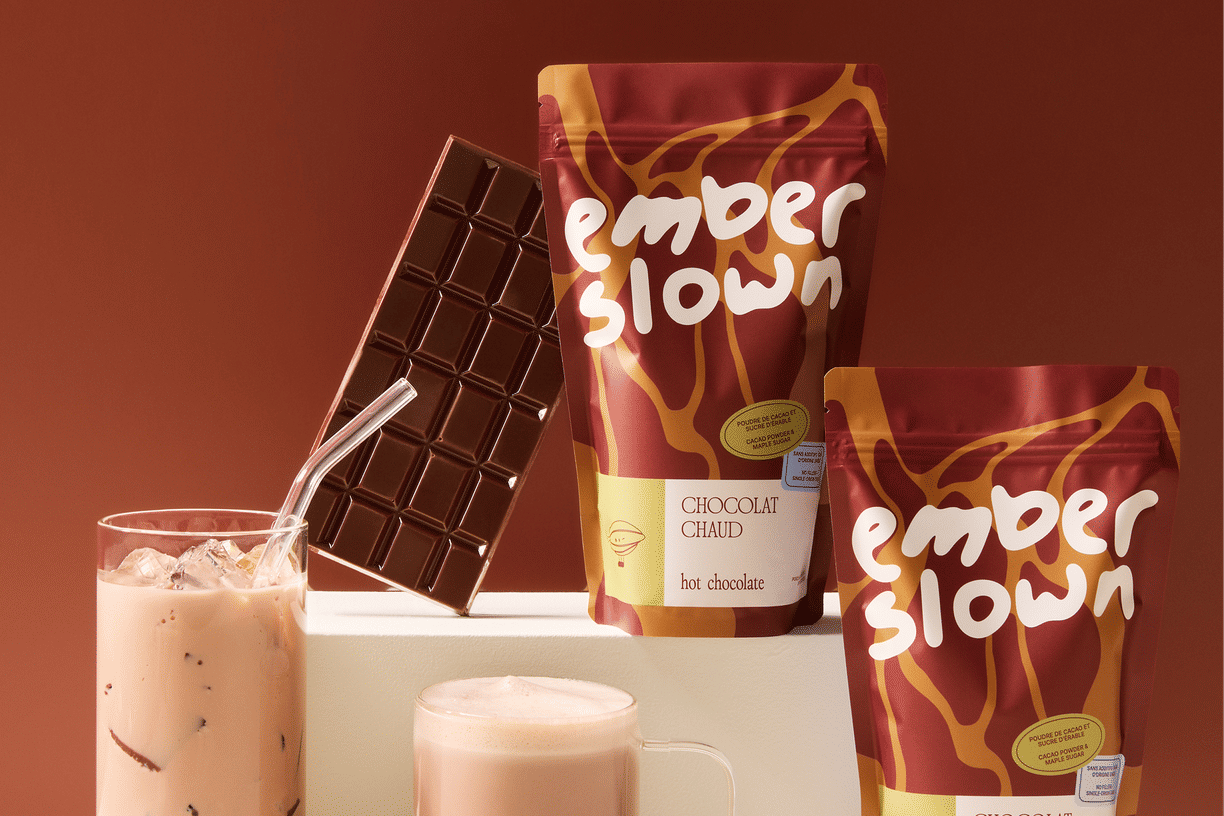
Image: Ember Slown
Ember Slown uses just two ingredients. Its cacao comes directly from a small family farm in Cameroon and is lab-tested in Canada for heavy metals. It’s sweetened with maple sugar from a small Canadian producer. “[Customers] love the fact that it’s only two ingredients and you can taste the real cacao,” Tavares says.
Selling something people can buy cheaply at the supermarket is tricky online. Ember Slown is now in about 10 stores in Canada, where Tavares says shoppers mostly buy the 50g bag, presumably to try it out. Online, the $32 200g bags are more popular. The brand has also introduced subscriptions via its website, and has plans to launch product bundles.
Cacao contains far less caffeine than coffee, plus theobromine, a gentler stimulant that brands say gives a calmer lift, though the research on its wider benefits is still thin. Other competitors are boosting to cacao’s functional selling point by adding protein, collagen, bone broth or mushrooms to their blends. Four Sigmatic sells a hot cocoa with reishi mushrooms, and MUD\WTR’s hot cacao combines lion’s mane, ashwagandha and maca with cocoa and coconut sugar. UK brand Holy Cacao blends its ceremonial-grade cacao with ingredients like bone broth, lion’s mane and maca. The growing sleep category is another hot drinks makers are tapping, with Clevr Blends’ magnesium Sleeptime SuperLatte winning an Oprah Daily Sleep O-Wards this year. Moonbrew’s Sleepy Hot Cocoa sold counter on TikTok shop shows 17.9K, and in the UK Space Goods launched a night-time hot chocolate drink called Sleep+ in October. Coffee alternatives are still a small category, but SPINS data shows that US sales of coffee alternatives are up 20.6% in the 52 weeks to 5 October 2025.
Sales are now starting to pick up for the winter period, says Tavares, as temperatures in many parts of the world drop. This is Ember Slown’s first holiday season, and gift box companies are already getting their orders in, she says. The real test will come in spring, when the brand finds out how many customers it has converted.