At Thingtesting, everything we recommend is independently reviewed. We may earn a commission on purchases made through our links.
Batiste is Losing Market Share as Brands Battle it out to Reinvent Dry Shampoo
Dry shampoo is being given a makeover by young brands that want to position it as a hair care product, not just a quick fix
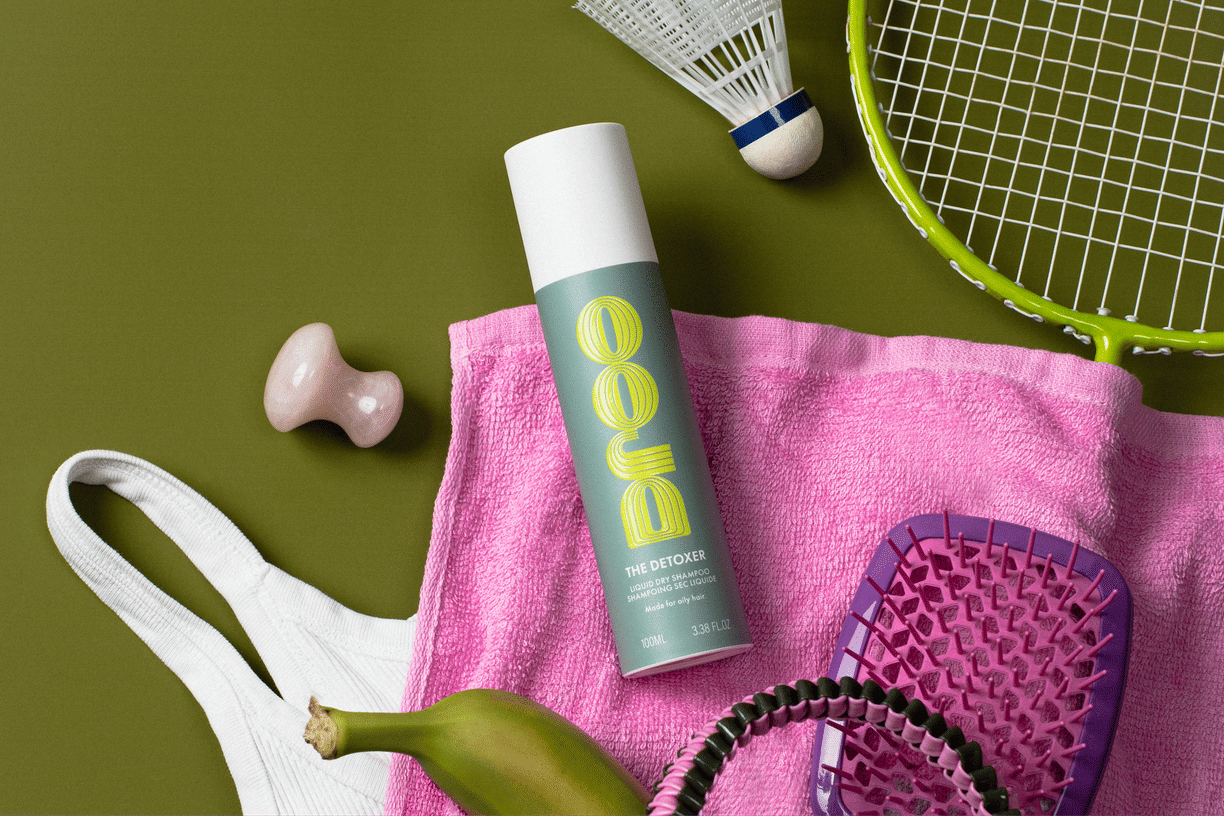
Image: Droo
Batiste is the dry shampoo brand most people use, according to market research company IRI. But now, the brand's owners say it’s losing market share.
During Church & Dwight's most recent earnings call in July, CEO Rick Dierker said that while the dry shampoo category had grown 5.5% over the past quarter, Batiste saw its sales rise by only 2% as it continues to see its market share eroded over the past year.
Dry shampoo was a $577m category in the US in 2025, according to Circana data published by Church & Dwight in January.
Chipping away at Batiste’s market share is a slew of brands who are rethinking how dry shampoo is formulated, packaged and applied. Although dry shampoo has been around since the 1940s, when fuller’s earth-based product Minipoo launched, the dominant aerosol formats, despite their popularity, have been followed by a consistent set of complaints.
“You have no idea how many dry shampoos I’ve tested,” says Margaux Thévenaz, who launched her own “liquid dry shampoo” brand Droo in September. She found that most would cake up in her hair, leave a white residue, or give her an itchy scalp. “It always felt like a compromise,” says Thévenaz, who has thin hair that tends to get oily quickly. “It was a product I needed, but never really loved.”
Droo is one of many brands rethinking the format and function of dry shampoo. In 2021, Crown Affair launched a $48 dry shampoo in packaging that makes it look like a pressed powder, with a soft brush for dusting over the roots. Ceremonia has riffed on the idea, launching an arrowroot dry shampoo with a pouf applicator in late 2024. Also 2024, K18 launched a $48 high-tech dry shampoo, which is a liquid spray-on product that dries quickly and, the brand says, can continue cleaning hair for up to three days. And earlier this year, Amika launched a $32 “dry hair mask” in perhaps the most explicit bid by a brand to position dry shampoo as a product that borrows from skincare and, therefore, justifies a luxury price tag.
Thévenaz has been developing her version over the past two years. Droo’s product is a liquid spray containing ultra-fine silica suspended in a water-based formula with a small amount of alcohol. Users shake the bottle, spritz on their roots and massage in. Demonstrating during our interview, conducted via video call, Thévenaz says it takes just a few seconds for the product to feel dry to the touch after applying. Each of Droo’s products also contain ingredients that target concerns like hair density and scalp health. “When you wear [dry shampoo], you wear it for a long time,” Thévenaz says. “So it really has the potential to work on everything.”
One thing left for the category to work on is the question of what to call these new-age dry shampoos. Between Amika’s wear-all-day “hair mask” and Droo’s oxymoronic “liquid dry shampoo”, Thévenaz concedes that “the industry hasn’t found the right wording for it yet”.
Whatever they end up calling it, shoppers are buying: according to Grand View Research, worldwide sales of dry shampoo are set to more than double between now and 2033, to hit $11bn.