At Thingtesting, everything we recommend is independently reviewed. We may earn a commission on purchases made through our links.
Hey ChatGPT, What Should I Buy?
Shoppers are asking AI to find products that suit their very specific needs, and brands want to make sure they are the answer. But when shopper journeys start with a chatbot, what gets lost?
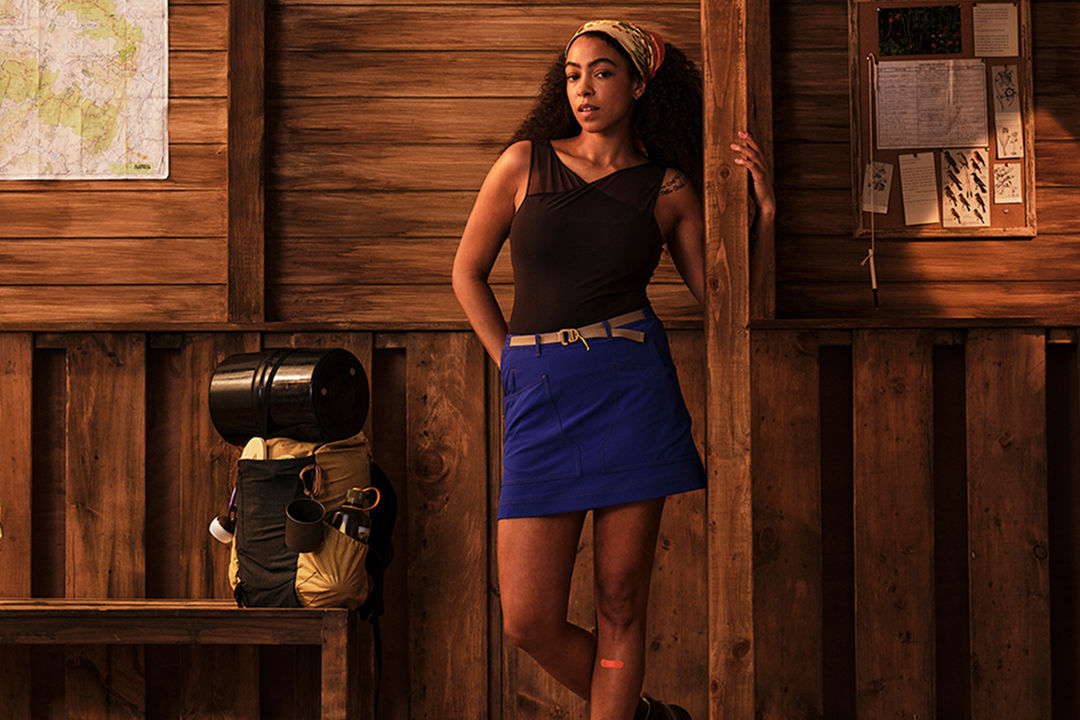
Image: Hikerkind
When women walk into outdoor clothing brand Hikerkind’s Brooklyn studio for the first time, co-founder Chelsea Rizzo likes to ask them how they found the brand. Increasingly, the answer is a chatbot.
They weren’t searching for a specific product, she says, but planning a big trip like a hike in the Dolomites or of the Camino de Santiago, and “ferociously searching” for gear that works on the trail but also looks stylish. Some briefed Claude and ChatGPT with their list of wants — versatile, technical, women’s, not ugly — and Hikerkind was the answer.
While shoppers used to try and answer questions like these by plugging keywords into search engines, an increasing number are now arriving at brand’s sites via conversations with LLMs. Instead of Googling “hiking midlayer”, they tell an AI where they're going, when, and whatever other qualities they want in the mystery product they are searching for, and they task the robot with finding something perfect for them. According to Riskified, 73% of people now use AI when online shopping. For brands, this means their websites not only need to rank for SEO, but get cited by LLMs.
“Products with purpose are ripe with value props,” says Rizzo, adding that Hikerkind’s specific way of describing itself is what makes it a natural answer for some questions people ask LLMs. The brand made a deliberate decision when launching in 2021 — before ChatGPT was a thing — to call itself a “women’s outdoor brand”, and its product pages lead with technical details rather than vibe. Its “In the Field” content hub was built years ago to help customers feel confident outdoors, with blog posts covering hiking-related topics like how to read trail markers, all published as individual web pages rather than on Instagram. The pages ranked well on Google when they were first published; and today they feed chatbots looking for answers to regurgitate. The team is currently adding regional identifiers to product pages to help catch trip-based prompts.
More prompting, more problems
Brands are now taking proactive steps to increase their chances of citation. Sophia Chiang, founder of eyewear brand Greenwich Social Club, interrogated Claude about how it perceived her website, then rebuilt accordingly.
Face-shape keywords went into product descriptions and meta tags — Claude told her shoppers ask “what is my face shape?” — alongside a thorough FAQ which includes shipping and returns details, and a “breadcrumb” navigation system (where a website’s structure, for example Home > Shop > Category, is listed at the top of a page). “This is not necessarily for the human experience, but so an AI can track it all the way through,” Chiang says. Identifying information gaps is as important as having readable content, otherwise “the AI will make stuff up, or turn around and say there’s no returns allowed, even though you do [accept them].”
Chiang says the exercise, while useful housekeeping, exposed a tension that many of us have felt as AI technology has been rolled out every which way: the things LLMs reward are often the things human readers dislike. She says Claude complained that it couldn't read information tucked into collapsible rows, which websites often use to avoid information overload for human visitors. “It might help you rank better, but what is the trade-off for a human?” Chiang says. “What do you prioritize?”
Sometimes, the best AI strategy could simply be thinking like a human. Alice Holland-Lu, founder of adjustable clothing brand The Female Archetypes, recently opened Shopify's new AI dashboard to find her products surfacing in searches like “jeans for changing body size”. It is, she admits, “a happy accident” that has resulted from prioritizing traditional press coverage over paid social ads, reasoning that, with products at a £300+ price point, shoppers need to trust her brand before they buy. “When people ask what my AI strategy is, I say: we continue with press,” Holland-Lu says. She's also doubling down on the goodwill that’s already been built by tagging and structuring the back end of her site to show up in response to these sorts of prompts more often.
Beyond the homepage
Marketing copy on brand homepages is usually written with the intention of charming human readers, but machines can read charm as unverified claims. When LLMs scour the internet to decide whether or not to cite a brand, sources like Reddit, press articles and reviews — all of which chatbots see as high-quality social proof — rank highly. In March, supplement brand Everyday Alchemist told Thingtesting that an estimated 20% of customers are now finding out about the brand through chatbots, thanks to press coverage it has had.
Press attention and social chatter can be hard for small brands to cultivate, particularly when they don’t have new products to announce or a trend they can piggy back on. According to Sarah Arana-Morton, CEO of Provenance, which verifies sustainability and product claims, what brands can do instead is make sure chatbots have access to other forms of third-party evidence, in a format they can read. So rather than simply including a B Corp logo on the homepage, a brand could upload the actual certificate, and potentially ask retailers and directories to do the same. This tactic is also a good defence from chatbot filling informational gaps from the messy wider internet instead. Last week, Provenance re-launched its directory, which validates claims made by over 1,000 brands, so it can be read by machines as well as humans.
Provenance ran its approach with soap and haircare brand Faith in Nature late last year, converting the proof points that were already on its website — vegan, cruelty-free, sustainably sourced — into machine-readable data. Within weeks, says Arana-Morton, the brand was showing up 10% more often in AI searches for terms like “vegan shampoo” than in a control group. Within a few months, that had compounded to an uplift in citations of over 40%. The shoppers who clicked through converted at many times the usual rate, she says, because they arrived having already made up their minds.
Robot, interrupted
AI, and its potential to transform all aspects of doing business, is top of mind for brand founders and operators right now. But there is also a bigger question lurking beneath the surface: how big of a deal is any of this, really?
The honest answer would be that nobody yet knows, because of how tricky it is to measure. Holland-Lu puts AI at under 1% of The Female Archetype’s traffic, though she says the intent behind it is growing fast. Chiang treats Shopify's AI-attribution figures “with a really healthy dose of skepticism — I don't know where those numbers have come from”. And when Rizzo pulled up her own attribution software during her interview with Thingtesting, AI was credited with just two purchases so far this year. “It doesn't even give me a percentage,” she said.
The true numbers will likely remain invisible. A shopper who asks ChatGPT for recommendations, closes the window, and then Googles the brand's name will show up in analytics as plain old search traffic. The first, most decisive, step of their journey is untraceable.
Which means brands are rewriting their websites for a channel they can't measure, on a bet about what AI shopping will become. Another open question, says Chiang, is whether chatbots can ever match visual platforms like Instagram or TikTok for discovery, or print magazines and Substack columnists for trust, taste and curation. Or will they simply be a replacement for activity that was already happening in Google? “Does AI become Instagram, or does AI become Google? Depending on which way it goes, that massively changes how brands respond. The jury's still out.”