At Thingtesting, everything we recommend is independently reviewed. We may earn a commission on purchases made through our links.
A Brutal Summer Boosted Sales of Air Purifiers, AC and Other Home Climate Devices
Wildfire smoke and swinging temperatures have prompted consumers to take climate control measures where they can: at home
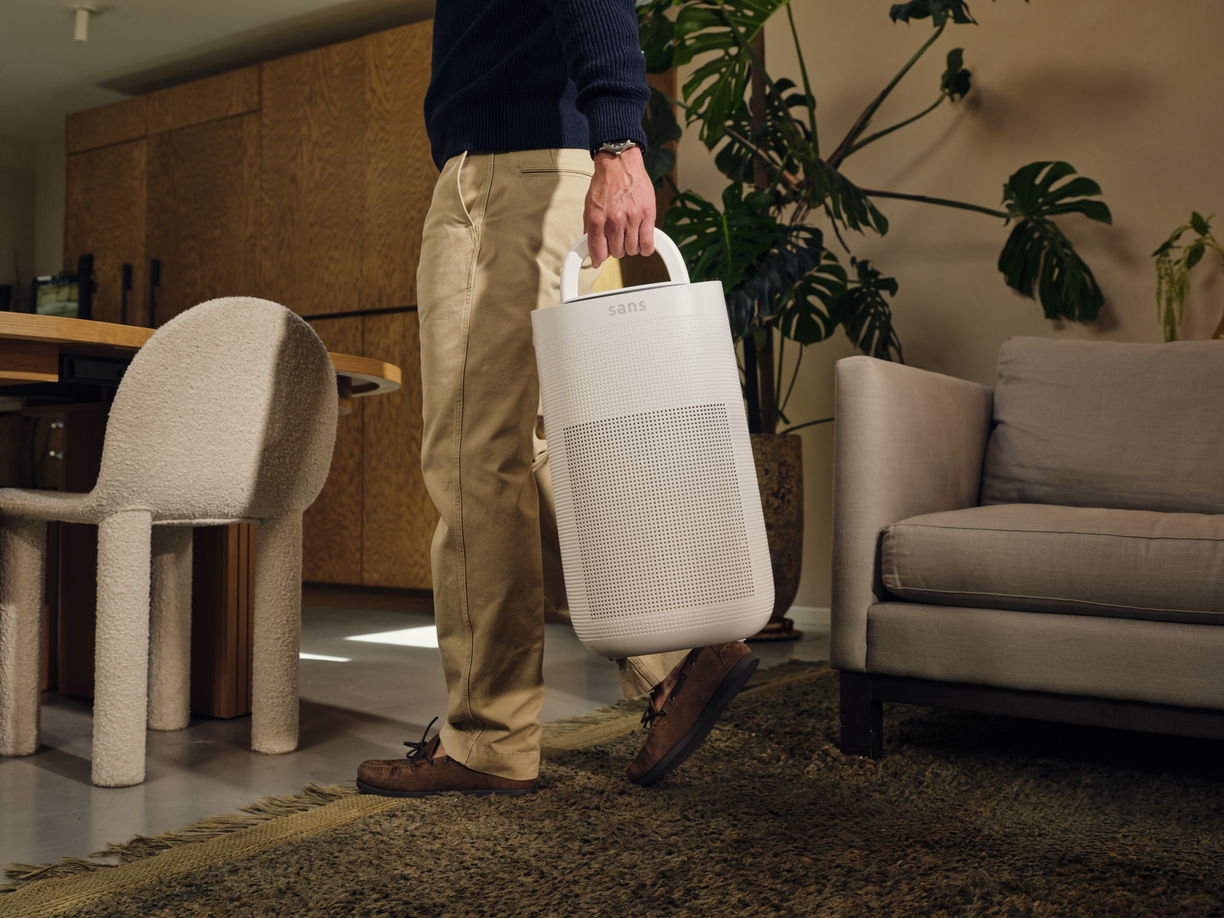
Image: Sans
Last month, air purifiers started to disappear from Target shelves across the Northern US. Smoke from wildfires ripping through Canada had settled over the Midwest and Northeast, putting more than 100 million Americans under air quality alerts and pushing fine-particle pollution to its worst levels in over a decade.
Home wellness brand Canopy says it saw an uptick in sales and web traffic. Across mid-July, sessions on its air-purifier pages were up 25% month-on-month, and total air-purifier sales had risen by 114%. At Target stores, sales of Canopy’s air purifiers had climbed more than 330% week-on-week. In the worst-hit northern stores, they were sold out entirely.
“People were scooping up whatever they could find,” says Canopy’s co-founder, Justin Seidenfeld, who shared these figures with Thingtesting.
This summer in particular has brought air quality to the forefront of people’s minds around the world. Europe suffered its worst heatwaves on record, with national temperature marks across the continent beaten across July and August, feeding wildfires in Portugal, Spain and France, which have been linked to hundreds of deaths. The humid UK, where few homes have in-built AC, hit highs of over 100°F on its hottest days of the year, sparking wildfires in wilderness areas and peatlands. In Canada, fires pushed smoke so far south that Detroit spent a day ranked as the most polluted major city on earth.
Canopy started life in 2020 selling humidifiers pitched as a beauty product, later adding water filters and air purifiers to its range. It’s targeted audiences includes beauty shoppers who consider humidified air to be part of a good skincare routine, new parents who want cleaner air in their nurseries, and a broader set of customers who are interested in how their home environment impacts their health. But as climate change intensifies and awareness of indoor air quality grows, Seidenfeld says humidifiers have become a year-round business, with customers buying the devices not just in winter but also to offset the impact of having the AC running for even more time over the summer.
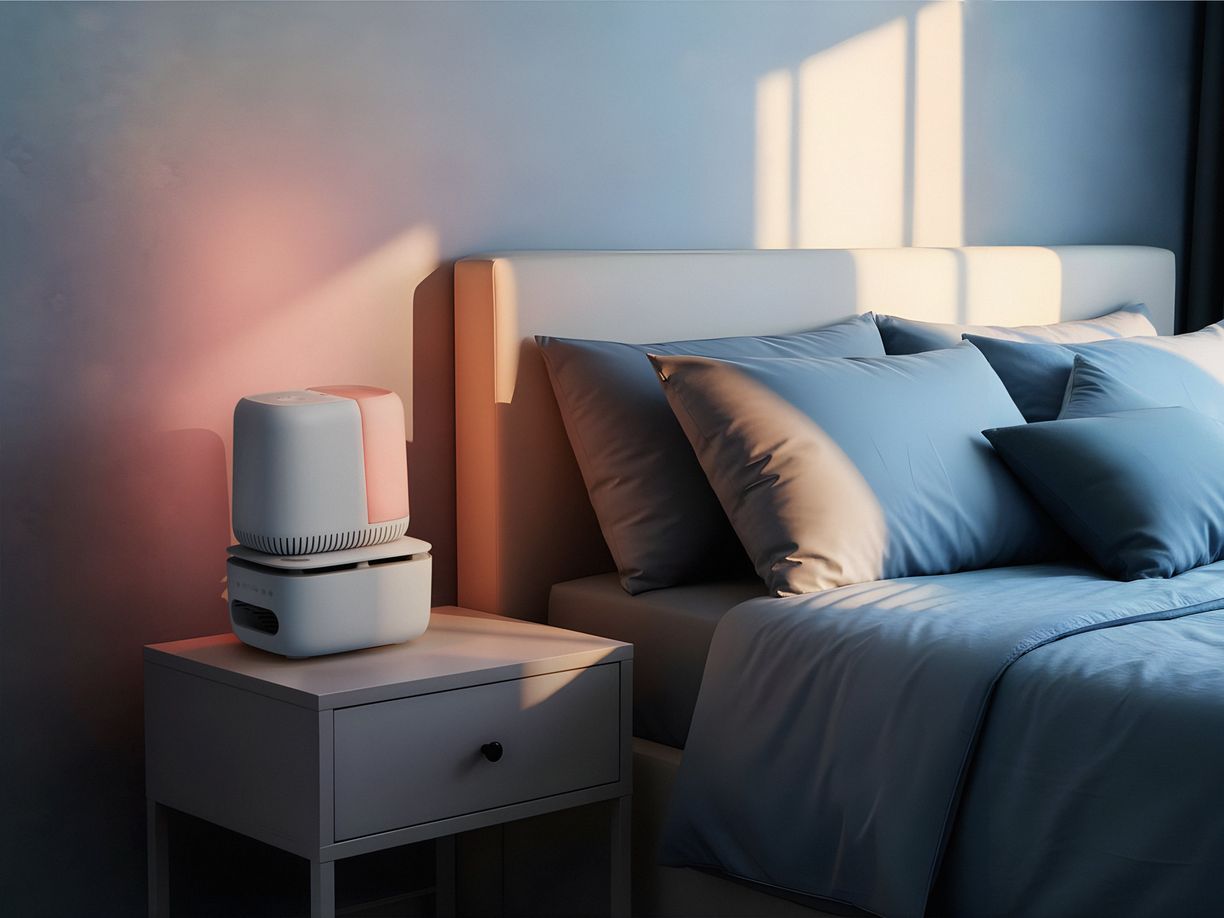
Image: Canopy
Air With Flair
Adam Bedford, the co-founder of Sans, says this is a shift that has been taking place since 2020, the same year Sans was founded, when the pandemic forced people to more closely consider the air they were breathing. Sans is a bootstrapped company, and is currently on track to pass $100m in revenues this year.
Still, headlines about water contamination, wildfires and other environmental disasters continue to create noticeable spikes in active shopping, he says. When smoke was hitting the US between July 16 and July 20, Sans says net product revenue rose 12.5%, while orders were up 4.9% compared to the previous week.
These customers are often new to the category, Bedford says, and are somewhat reluctant purchasers. Sans’ appliances are designed to both stand alone and look nice, allowing it to capture shoppers who would rather not have a bulky, ugly unit taking up space in their home. The brand’s water purifier, for example, is small enough to sit on the counter and uses reverse-osmosis to remove impurities without having to be plumbed into the mains.
“A lot of people who buy our water purifier have wanted a solution, but they either rent or they’re not willing to do the work to install a system under the sink,” he says. “And the uglier your air purifier is, the more likely you are to hide it in the corner. And the more you try and put it in the corner, the less effective it is, because it has to draw in airflow from the space.”
Copenhagen-based home climate startup Everyday, which describes itself as “building for a healthier and more sustainable life at home,” is also hoping that better-looking units can convince people to take even bigger leaps. The brand’s first product, launching later this year, is an air-to-air heat pump that heats, cools and filters the air, and is housed in a wall unit with oak panels that can be swapped out. It’s a huge visual upgrade on the white, plastic-clad AC units consumers are used to.
Co-founder Morten Meisner-Jensen positions the product as infrastructure rather than an appliance, arguing that, in Europe, home utilities are outdated. Across the continent, only a fifth of homes have air conditioning, compared to around 90% in the US. In the UK, it can be difficult to regulate the temperature in Victorian homes built for a bygone climate, and planning regulations sometimes prevent the installation of AC vent hoses.
Meisner-Jensen says regulation can create opportunities, though. In Europe, around 70% of buildings are still heated with fossil fuels, according to the European Commission, but rules are tightening in an effort to achieve Net Zero goals. The Netherlands, for example, has banned the installation of gas boilers in new build homes, and many governments offer grants to homeowners interested in installing the types of heat pumps Everyday sells.
“I don’t think this is going to be a short-term challenge of one or two hot summers,” Meisner-Jensen says. “It’s going to end up being pretty permanent.” Everyday raised €2.5m in pre-seed funding this year and will ship its first units in early 2026.
A Somber Sales Forecast
Better-looking AC units feel like a natural progression at a time where glass bottles of microplastic free water are a sign of conspicuous consumption, and where every product from skincare to snacks now comes with a discerning ingredient list. Air and water are things we put into our bodies, meaning they lend themselves to being absorbed by the wider wellness movement. Bryan Johnson, whose anti-ageing regiment is followed by millions, keeps an air purifier in every room and treats the AQI index as another health data point to be tracked. It is becoming increasingly common for shower filters and humidifiers, Canopy’s included, to be sold as tools for better skin and hair.
Clean air and water are now on people’s shopping lists, and those who can afford to are investing in appliances they consider will not only make their homes more comfortable, but also make them healthier.
But those aren’t the only anxieties driving these purchases. The better air purifiers and ACs are selling, the worse we can assume things outside are getting.