At Thingtesting, everything we recommend is independently reviewed. We may earn a commission on purchases made through our links.
Meet Olauto, the fancy air freshener that wants to be in your car, in your closet, and on sale at Buc-ee’s
Late last year, the co-founders of Inkbox launched their new brand, Olauto. A car air freshener first and foremost, Braden Handley and his co-founders are hoping customers can find more uses for it.
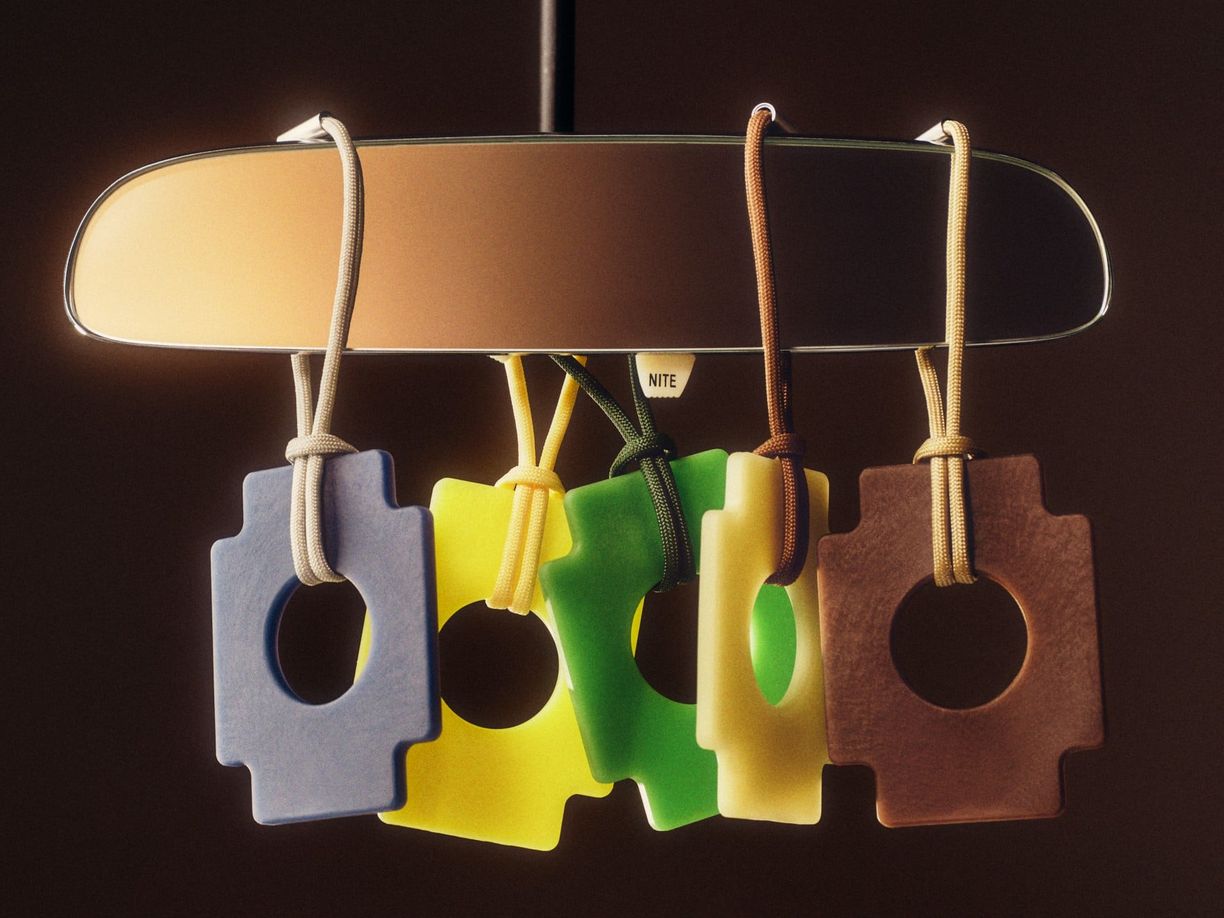
Photo: Olauto
It’s not easy to make the perfect car air freshener. Every detail must be considered. Take the swing. The air freshener needs to move gently so it wafts scent around the car without distracting the driver — or worse, flying off the rearview mirror on a tight corner. The way you manage this is by choosing the right weight for your design, and for Olauto, a new car air freshener brand that launched in late 2025, that sweet spot is around 21g. At that weight, it moves “like a figure skater moves with such beautiful intention,” says Braden Handley, the brand’s co-founder.
It took two years to arrive at that conclusion, Handley says, explaining that he and Olauto’s three other co-founders would tie air fresheners of varying weights to their car mirrors and drive around with them to see how they looked in motion. The idea for the brand came about after one of the four founders, Dylan Bisignano, upgraded to a BMW following a car accident where he hit a deer. When the new car smell started wearing off, it didn’t feel right to hang a $2 Little Trees in his slick vehicle. So he asked Handley and his brother Tyler — the former founders of temporary tattoo company Inkbox — if they’d be interested in cracking the market.
Handley was looking for something to keep busy after Inkbox sold to BIC for $65m in 2022. Car air freshener ticked a lot of boxes for a potentially successful direct-to-consumer product: repeat purchases, good margins, small and light enough to make the economics of shipping work. “I knew nothing about air fresheners and I still don’t know that much,” says Handley. But there was a gap in the market between the gas station air fresheners and more expensive options like Diptyque’s $120 car diffuser. The idea was to create something around the $30 mark that lasted a few months and had premium scents that people would be excited to put in their car. It would have to look cool, too. “I thought the idea seemed like Aesop soap for your car,” says Handley. “It’s a status symbol, it looks beautiful, and it’s something you strive to have as a little luxury in your life.”
Improving the car air freshener
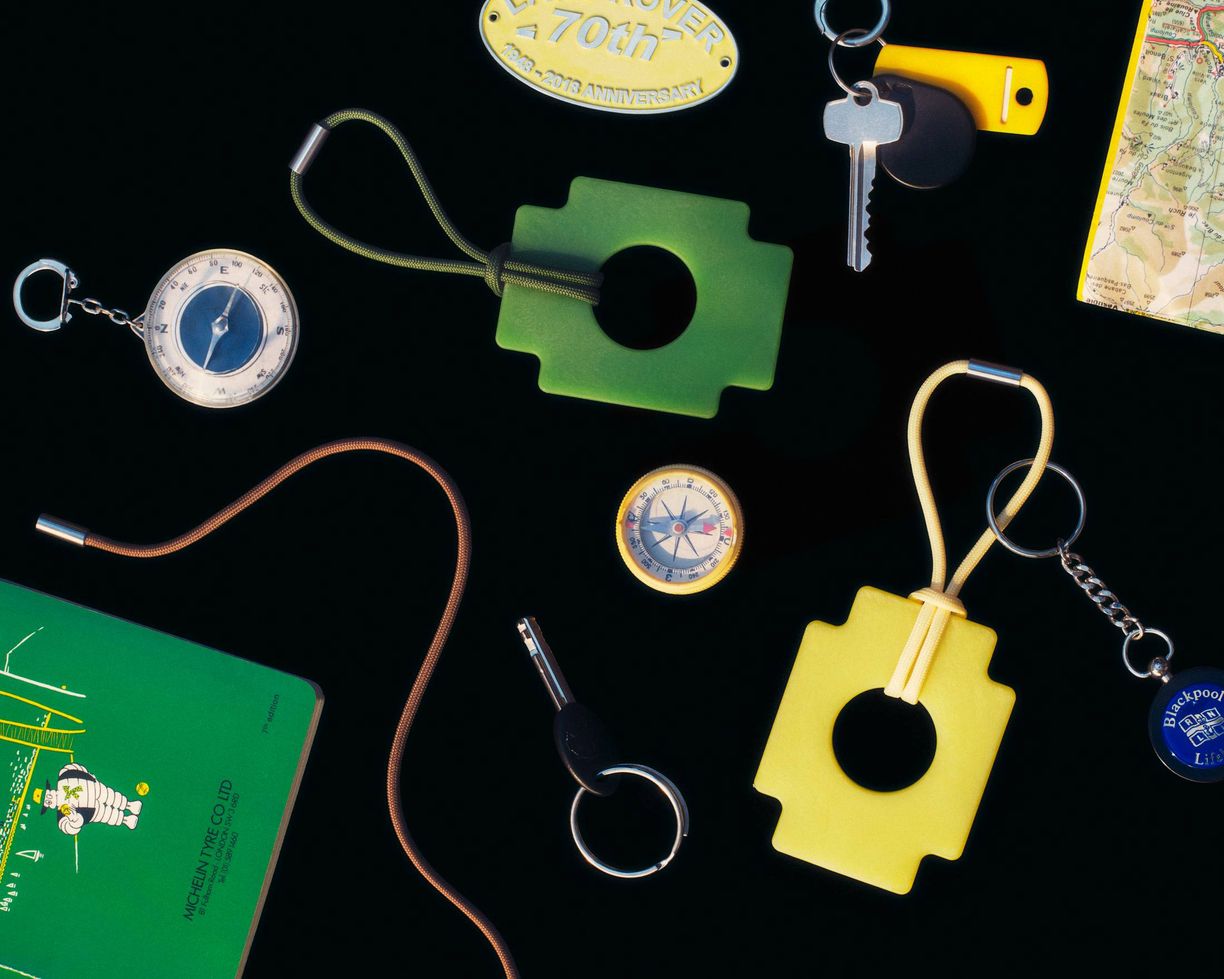
While most car air fresheners are picked up at the gas station as an impulse purchase, Olauto’s are sold online, which meant they had to look interesting enough to entice consumers. Olauto worked with Toronto brand designer Sarah Dobson to develop the signature cross shape and branding. The scents borrow notes from popular fragrances already on the market — “Root 66” features sandalwood and orris root, à la Jo Malone, while “Dad’s Truck” contains bergamot and earthy patchouli — so people can easily imagine how their cars will smell. To make the scents last longer, Olauto uses a polymer base infused with 40% fragrance oil, compared to the 10-25% fragrance load in typical cardboard air fresheners. The higher concentration means Olauto can market its fresheners as good for up to three months, versus the few days a gas station alternative might last. The hope is this makes the $33 price point a little easier to swallow.
Since launching in September 2025, Olauto has sold out the majority of its fragrances. Handley declined to share specific sales numbers, but says Olauto has moved “multiple thousands” of units, showing that customers are willing to pay a premium for the category.
Who buys car air freshener?
The car fragrance market is a decent size — estimated to hit $3.2bn by 2030 — and more brands are trying to fill the gap that Olauto has spotted. Drift sells wood and stone blocks that clip to a car’s sun visor. Fragrance companies D.S. & Durga and DedCool have their own lines of mid-tier cardboard air fresheners, while Vacation, which straddles fragrance and sun care, launched a line of air fresheners in 2024 that also serve as scent testers for their products. But for many brands in the scent category, the broader home fragrance market — valued at $11bn in the US in 2025 — is a bigger prize to aim for. For those brands, the smaller auto sub-market is often not seen as worth designing a stand-alone product for.
Olauto, however, is approaching the challenge from the opposite direction. It’s hoping that its design, perfected for use in cars, will also find its way into people’s homes. Customers are reportedly using the fresheners in their homes, bathrooms and closets already, says Handley, and the brand is currently developing a stand that makes it easier to hang the freshener up in the home. Eighty percent of Olauto’s customers are currently women, a demographic more aligned with premium brands like Aesop, and the air freshener's design, which positions it more as a design object than a car accessory, leans into this.
In any case, selling car air fresheners online necessitates a different playbook than a brand relying on impulse purchases at the gas station. When it comes to marketing, Olauto focuses on making sure potential customers encounter the brand through multiple touch points — an influencer’s post, a social ad, an email newsletter — rather than blasting through a performance marketing budget. The company is already profitable, according to Handley, thanks to this slow-and-steady approach to marketing and production.
Still, when asked what the brand’s distribution goals are for the future, the gas station remains king. “Buc-ee’s,” says Handley, referring to the cult Texas gas station chain, “is where I’d like to be in retail.”