At Thingtesting, everything we recommend is independently reviewed. We may earn a commission on purchases made through our links.
How much would you pay to remove forever chemicals from your body?
Forever chemicals are everywhere. Now brands want to help us avoid them — or even remove them from our bodies. But the solutions are not always cheap
In a clinic in London, patients can be connected to a machine that extracts blood, separates the plasma in a centrifuge, filters out forever chemicals and microplastics, and returns the treated plasma to the body. The process takes two hours, and costs $13,500. Clarify Clinic, which offers the service, claims it can reduce microplastic levels by up to 90%, and PFAS by between 31% and 60%.
Then you walk outside, take a swig of water from your bottle, and start building those toxins back up again.
Clarify Clinic is not the only company targeting growing concerns around environmental toxins. Proxima Health is seeking approval to use a similar blood-filtering device, made by Swiss company Ayus, in the US. Million Marker sells home kits to test BPA, phthalate, paraben and oxybenzone levels. Elora Therapeutics is developing an injectable enzyme that it says can break some microplastics down into molecules small enough for the body to clear naturally. And yet more brands are bringing products to market that help people limit their exposure to PFAS, microplastics and other toxins altogether. It's not hard to understand why, particularly at the more rarefied end of the market, this niche market is so compelling for entrepreneurs: what could be more repeatable than forever chemicals?
Environmental toxins are a potent subject. They can be found in everything, from food packaging and cookware to waterproof clothes, cosmetics and even beer. Their widespread use in consumer goods is a result of industrialisation, with PFAS becoming popular in the 1950s when Tefal created the first non-stick frying pan. As people started to realise — too late — just how sticky these chemicals in fact are, they gained their forever chemicals nickname.
Their ubiquity now makes avoidance unrealistic. The millennials who swapped their Tefal for an Our Place pan — drawn as much to its non-toxic credentials as its Instagram-worthiness — are now starting families, and the dawning realization that these chemicals have been accumulating for decades has sent them searching for alternatives. Mike Petegorsky, the founder of Proxima Health, has told the press he started the business after learning about PFAS in water and heavy metals in baby food during his wife’s pregnancy.
“In time, with volume, we can bring our prices down,” says Peter Holme Jensen, co-founder of Cambiotics, which makes 46&, a probiotic supplement designed to help remove forever chemicals from the body. At $99 per month, it sits at the more affordable end of a market where treatment can run to five figures. Due to launch in the US later this year, it will be sold via subscription and initially target two very different groups: biohackers and firefighters, who are exposed to high levels of PFAS through their work. “They are the ones who really need it, and we hope to offer discounts through their organizations.”
“But obviously,” Jensen adds, “it’s a commercial product, and we can’t lose money on selling it either.”
Cambiotics’ supplement is based on a scientific discovery made by co-founders Anna Lindell and Kiran Patil at the MRC Toxicology Unit at Cambridge University. They found that a species of human gut bacteria can absorb and store PFAS, meaning they are then removed when the bacteria pass through our systems.
“It can act as a shuttle by accumulating into the bacterial cells, so we can’t reabsorb it, and then it gets excreted,” says Lindell. “The worrying thing about PFAS exposure is we can’t really avoid it no matter what we do. It’s not like smoking, where it’s in your own control.”
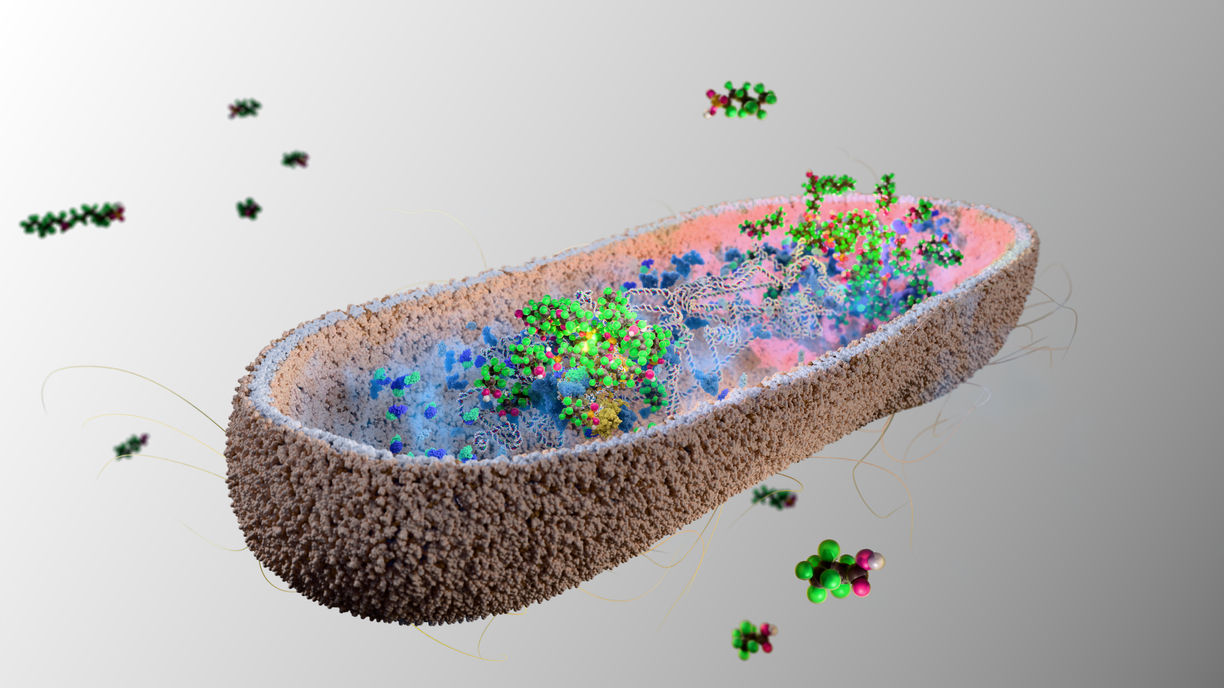
An illustration showing gut bacteria accumulating a forever chemical into clumps. Credit: MRC Toxicology Unit
PFAS have been linked to health issues such as cancer, cardiovascular disease and decreased fertility, as well as developmental delays in children. Cambiotics’ theory is that if we can no longer avoid these chemicals, we could instead make consistent efforts to reduce their impact on our health.
“You find PFAS in the blood of polar bears today. It doesn’t matter where you hide on this planet,” says Jensen. “Not everyone has it to the level where it’s toxic, but when you talk to companies measuring PFAS in people’s blood in the US, they say 85% have levels above guidance values.”
While its technology was developed in the UK and the company is based in Denmark, Cambiotics has opted to launch in the US first because of how quickly supplements can be brought to market there. Unlike Europe, which requires new ingredients to go through an approval process that can take many years, the US offers a faster route for dietary supplements made from natural ingredients — GRAS, or Generally Recognized as Safe status.
The European launch will come later, once approvals are obtained — a process Jensen finds frustrating. “The regulatory process is important, but something is broken. You are allowed to sell toxic chemicals, and we still do that in Europe for thousands of products, and we have over 10,000 production sites emitting PFAS into the environment on a daily basis. But a dietary supplement that could remove PFAS from the body is kept away from the market, due to the regulatory process.”
In the US, government departments have promised to limit industrial PFAS ingredients, while simultaneously approving them for agricultural use. While politicians continue to deliberate, consumers will keep looking for answers.
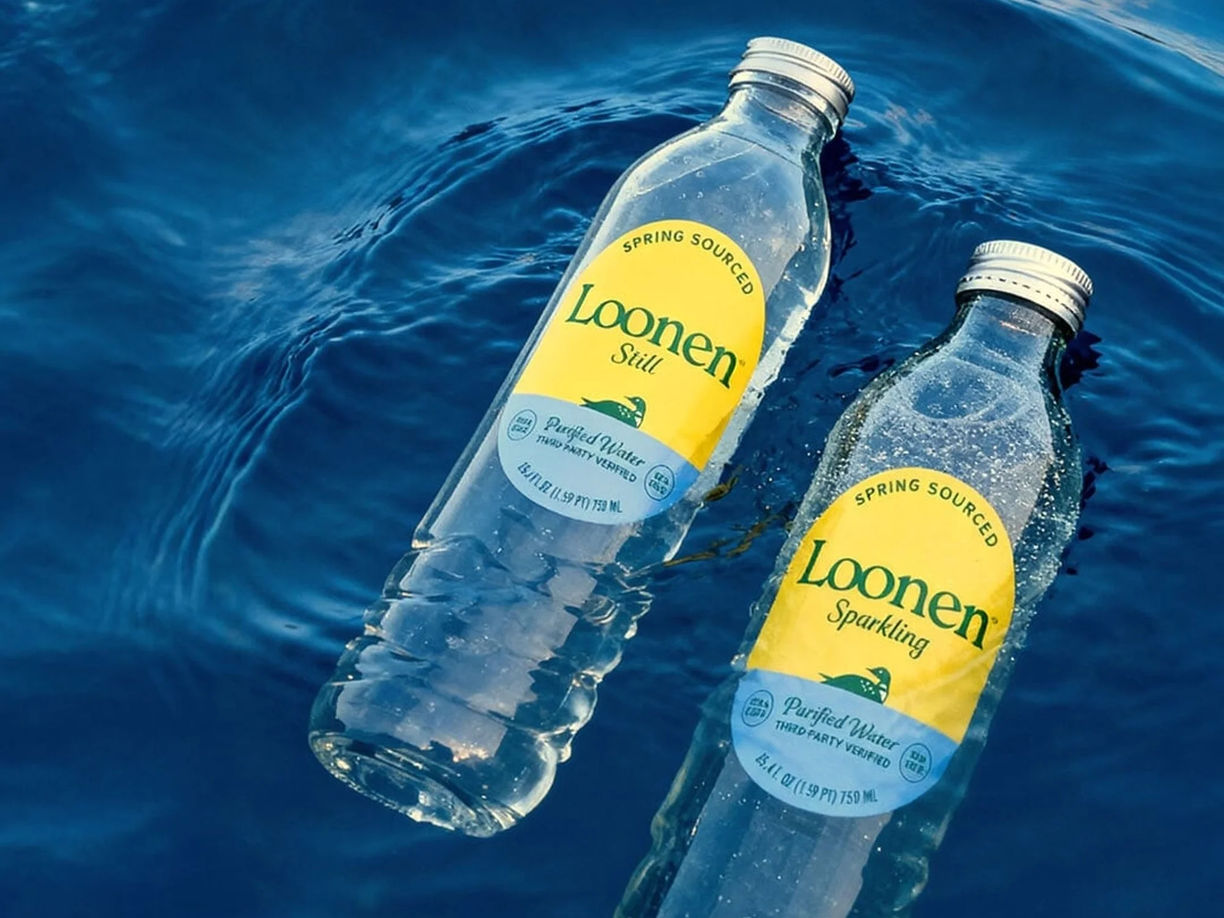
“There are currently no federal standards that limit PFAS or microplastics in tap or bottled water,” says Clara Sieg, the co-founder of Loonen, which sells spring-sourced water that has been tested at the source, then filtered through a stainless steel physical membrane and bottled in glass. “We test for PFAS and won’t source from springs that have it — [because they’re] near impossible to completely remove, no matter how good your filtration is.”
Finding quality sources is tricky, given how chemicals seep through soil and water systems. “Even remote springs are not isolated from modern contamination,” says Sieg. Changes in rainfall, geology and surrounding land use can also mean a spring one that was once clean goes on to contain trace contaminants. Loonen sells six packs of its 750ml bottles on Amazon for $34.99.
For Sieg, the goal is simple and applicable across product categories: find the cleanest sources possible, test thoroughly, and be honest about what's possible.
In the forever chemicals era, this is as good as it gets. Unlike the blood filtration clinics catering to those with tens of thousands of dollars to spare, these brands are not promising miracles. Supplements and bottled water won’t clean up decades of industrial contamination, but they give consumers options at price points that make it possible to try.
Just don’t fill the bottles up with your tap water once you’re done.