At Thingtesting, everything we recommend is independently reviewed. We may earn a commission on purchases made through our links.
Is TikTok fame worth it for brands?
Lots of brands want their products to go viral on TikTok, but few manage it. For those that do, what are the rewards — and what are the tradeoffs?
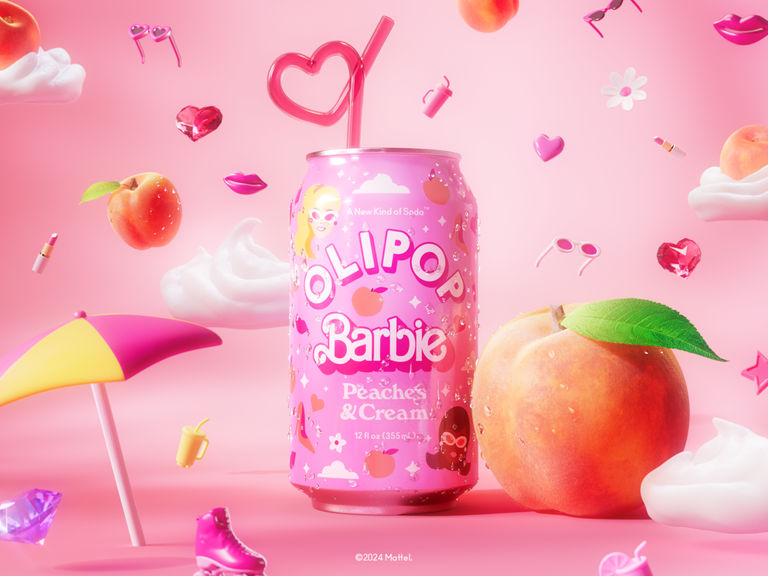
Image: Olipop
What did people do after hearing about Punch, the seven-month-old macaque born into this wretched world and abandoned by his mother? They went shopping.
IKEA has now sold out of the $20 stuffed orangutan toy that Punch has been seen clinging to for emotional support across the US, with some shoppers flipping them for over twice the price on eBay.
Punch’s stuffed orangutan is an absurd example of a pattern that often plays out in the world of online shopping: a product captures the internet’s attention, and within hours it has reached peak commercial velocity. The mechanics are the same whether the catalyst is an abandoned monkey, a before-and-after beauty tutorial, or a soda brand piggybacking on a viral recipe. For the brands that catch — or maneuver themselves into — the slipstream, the experience is not always as straightforward as it looks from the outside. Brands can find themselves pulled in directions they aren’t prepared for as they balance the thrills of watching sales figures soar with the reality of emptying warehouses.
Lucie Macleod, the founder of British hair oil brand Hair Syrup, first noticed her brand gaining traction on TikTok in 2021, with customers posting unsolicited before-and-after videos of their hair. In 2022, revenues ended up over 900% year-on-year thanks to the launch of TikTok shop, which made it possible for viewers to buy the products featured in these videos without leaving the platform.
“TikTok is still by far our strongest engine for virality,” says Macleod. She says she can link £40,000-worth ($54,000) of sales on a single day to a customer ‘before and after’ video Hair Syrup shared with its followers in April 2023. Hair Syrup is so proud of its successes on the platform that a ticker along the top of its homepage labels its products “TikTok viral” — a medal that, in 2026, brands pin to their chest where they can.
In a 2023 interview with AdAge, Steven Vigilante, director of strategic partnerships at better-for-you soda brand Olipop said “the amount of people who refer to us as the TikTok soda is insane.” Speaking to Thingtesting, Vigilante says social mentions, comments and DMs from the platform are helpful for getting a real-time sense of how quickly products might be moving in stores, given retailers can take several weeks to feed that sort of data back. “As a primarily retail-driven business, social is the true measure of when a product is taking off,” he says. “We’re not immediately looking at sales, it’s more about how fast the conversation is picking up.”
In March 2023, TikToker Gracie Norton posted a “sleepy girl mocktail” recipe featuring Olipop’s lemon-lime soda that went viral. The brand capitalized on the momentum by partnering with user-generated content platform Kale, which pays content creators to participate in ‘challenges’ set by brands. In January 2024 alone, Olipop said there were 900 posts about sleepy girl mocktails featuring its sodas.
The launch of its special edition peaches and cream flavor, packaged in hot pink cans, was a bet on residual Barbiemania (the film had been released the previous year, and it received eight Oscar nominations in 2024). It paid off, and in its first month on sale the Barbie-themed soda outsold eggs in healthy grocer Sprouts.
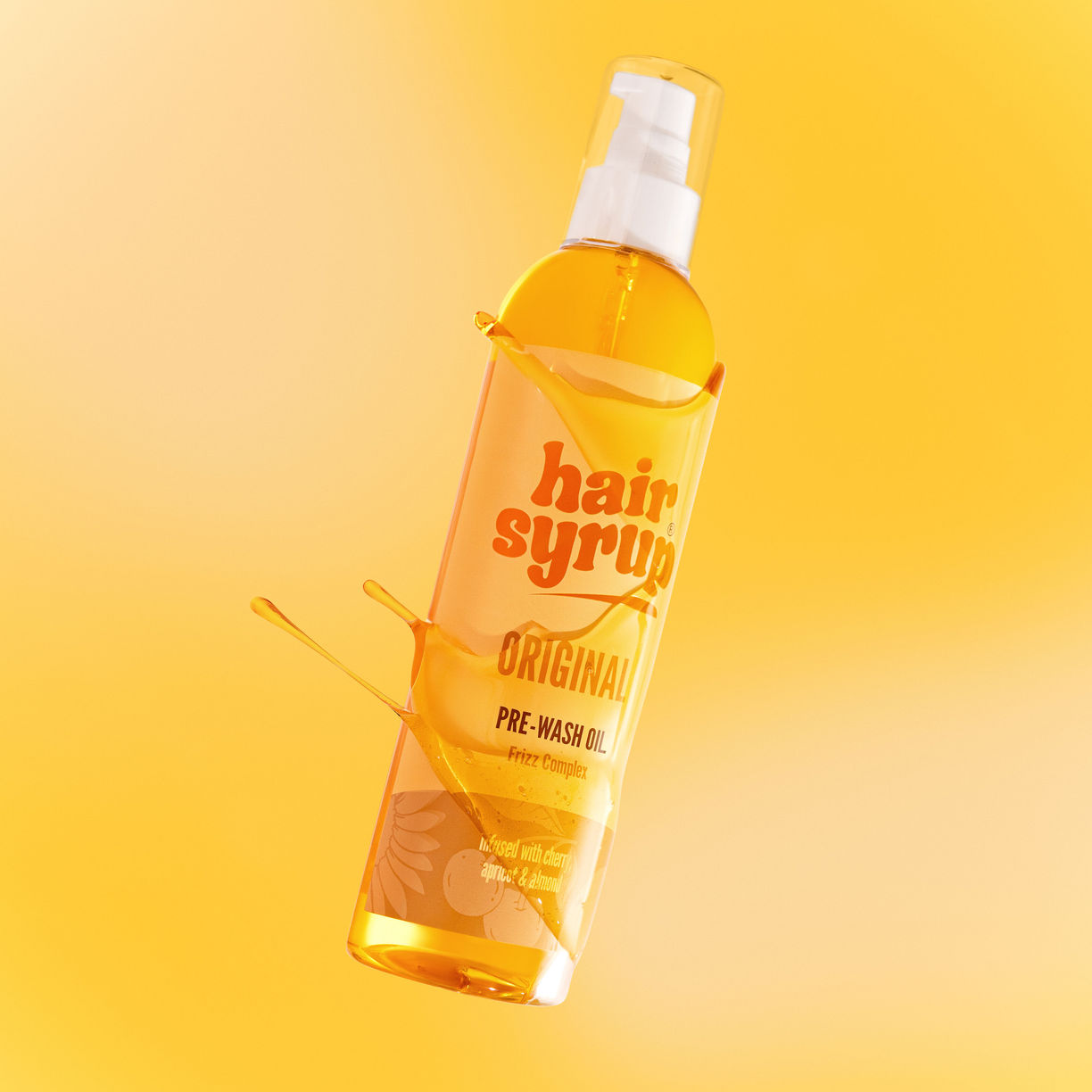
Image: Hair Syrup
A viral spike doesn't always translate into sustained interest, though. When a creator posted a video in December 2023 about using a Hair Syrup product to combat “boyfriend air” — the idea that spending time with your boyfriend can leave you looking disheveled — it briefly made the product one of TikTok Shop UK's most-searched items. Five months of stock sold out in two days, but then sales returned to normal. “It was all hands on deck,” says Macleod. “The team learnt a lot, but I suspect a few of them were secretly hoping it would never happen again.” At the time, Hair Syrup could only fulfil around 600 orders at a time from its warehouse; it has since expanded capacity to 5,000.
Macleod remains clear about the limits of virality, though. She says Hair Syrup keeps roughly three months of stock on hand at any given time, and avoids giving in to the temptation to over-order on the off-chance of a spike. “It's better to invest money into retaining customers than constantly chasing new ones,” she says. “Cash flow is more important than virality.”
Lessons are sometimes learnt the hard way. Macleod says she lost £40,000 ($54,000) in revenue when TikTokers discovered a pricing error on the Hair Syrup shop that advertised products as over 50% off. Cancelling orders risked Hair Syrup’s page becoming restricted, so Macleod took the financial hit. “It destroyed our stock management system for months,” she says. “We recovered eventually, but it was a hard lesson and put my business in great jeopardy.”
For this reason, small brands can often be wary of virality even though they are in need of brand awareness. Emily Austen, the founder of London PR agency Emerge says that one of her clients, electrolyte drink brand Nonni, turned down a request from a world-famous footballer after it launched in January, for fear he might cause a viral moment by posting about the product. “Most clients are conscious of building their brands to be more sustainable,” Austen says. If the processes are not in place to deal with a viral sales surge, “it's problematic — because people will post about that experience, too.”
Virality is the fun part, but brand infrastructure is the essential, if boring, bit that needs to be in place. The slipstream is fast, and the brands that navigate it the best tend to be the ones with the ability to absorb the shockwaves. Even high-growth brands can be caught off guard. Olipop, which brought in $400m in revenues in 2024, has been out of stock on its Shirley Temple flavor via its website since January, following a decision to divert all stock to retailers.
“These viral moments can and often are a total surprise,” says Vigilante. “When they happen, it's about how you communicate to fans and partners to keep trust.”