At Thingtesting, everything we recommend is independently reviewed. We may earn a commission on purchases made through our links.
Skincare’s New Pitch to Mothers: We See You
Motherhood is a profound identity shift. New skincare brands want mothers to know that they get it, too.
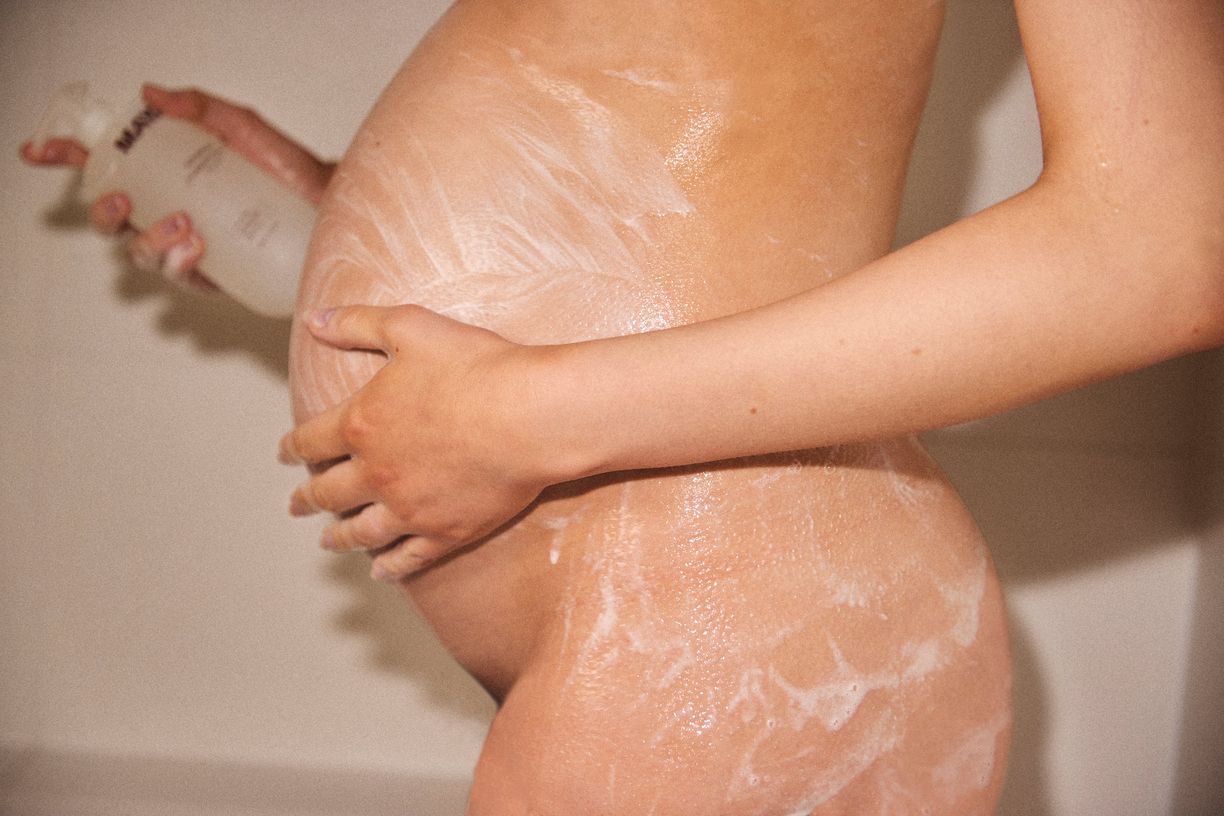
Image: Mayah
O mother, where art thou? In 1973, anthropologist Dana Raphael coined the term “matrescence” to describe the profound identity shift women go through as they transition to becoming parents. Now, brands are picking up the term and seeing what they can do with it.
In recent months, More Than Nine has rolled out a three-step skincare range with ingredients vetted for safety during conception, pregnancy, and postpartum. UK brand Mayah has introduced a line of “mother-safe” bodycare, and In Season is selling a stretch mark cream made with active ingredients it bills as clean and pregnancy safe. In July, skincare brand Noodle and Boo launched a two-piece “prenatal starter kit” (a moisturising oil and peptide cream to prevent stretch marks). Last year, SKN TO SKN arrived in Boots stores across the UK, targeting similar pregnancy and postpartum concerns.
The brands say they are inspired by their own, sometimes difficult, journeys to becoming mothers, as well as modern representations of motherhood embodied by celebrities like Rihanna and Hailey Bieber. What they are selling is continuity: products that look and feel like the prestige skincare their customers would buy before they got pregnant, only now vetted for safety and without straying into the mom-and-baby-but-really-baby language many other mother-focused brands default to. But are these brands selling anything new, or is this simply motherhood, remarketed?
“The identity shift is as profound as puberty,” says Dr Aegean Chan, the founder of More Than Nine. “But nobody sees the transformation, because you look the same.”
This observation is also, handily, a good basis for a business plan. Brands that target pregnant women typically expect that customer to stick with them for nine months. By widening the window to encompass the prenatal and postpartum periods, brands can sell repeat-purchase items to customers for longer. In 2025, Data Intelo estimated the US pregnancy cosmetics market to be valued at $7.4bn, with skincare products making up more than half of sales.
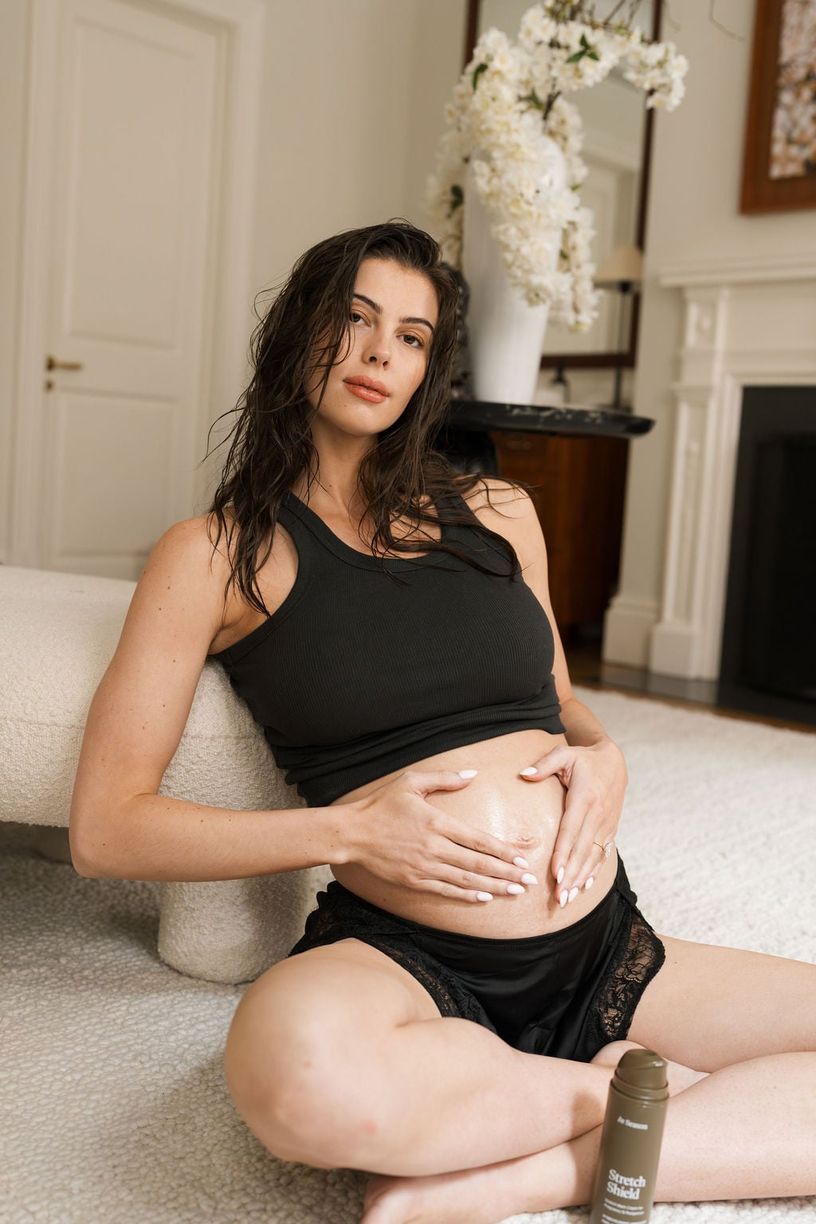
Image: In Season
Motherhood in Focus
Pregnancy is not new, but for a long time a specific language has been used to market products to mothers. Think: pastel colours, soft focus lenses, and new-mother-glow makeup.
Since the 2020s, however, a less conservative image of motherhood has been evolving. Baby bumps are now shown off on red carpets and in paparazzi shots, while public figures like Anne Hathaway, Emily Ratajkowski and Alexandria Ocasio-Cortez have been open about their experiences with 40-plus pregnancy, single motherhood and egg freezing, which were once considered taboo. Brands have been slower to catch up.
“Companies are run by men,” says Viviana Zarruk, the co-founder of In Season. “And men are never going to say, ‘let’s make pregnancy skincare’, because they think it’s only for nine months. And who’s going to buy it then?”
The founders we spoke to shared similar stories when talking about the origins of their brands. All are mothers, and all felt a resistance to the box marketers seemed to want to put them in once they became parents. Some had experienced miscarriages, with no answers from doctors on what could have helped prevent such a devastating outcome. Crucially, they felt that brands catering to mothers didn’t see them, or have ranges that reflected their preferences when it came to considered packaging, active ingredients, luxurious formulations, a better-for-you ethos and a sense of coolness. In other words, there weren't brands made for a consumer that does their discovery Instagram.
“I’ve seen menopause grow into a category,” says Jessica Smith, the co-founder of Mayah and a former trend forecaster. “But motherhood’s been left on the sidelines.” The founding team's own experiences with miscarriages, trying to conceive and reading on potential links between microplastics, hormone-disrupting chemicals and fertility, opened their eyes to the amount of confusing, sometimes contradictory, information online. “There was a lack of this single source of truth for what’s safe and what’s not safe to use,” she says. “There’s a growing awareness around low-toxic lifestyles, and we’re looking at everything now, from our cleaning products to our underwear.” Mayah describes its products as “mother-safe”, a definition it has built with the help of maternal health dermatologists. The brand plans to make its Mother Safe Index available to the public.
Its products are packaged in clouded glass bottles with spherical lids, and its nipple balm comes in a poppy orange tube. Smith describes the Mayah customer as someone who shops both designer and high street, and the brand is becoming popular as a baby shower gift, with the brand’s £95 ($130) basics bundle driving over 70% of sales. “It’s nice to have something that’s just for her, and not for mother-and-baby,” she says.
What Does “Pregnancy Safe” Mean?
In the same way “clean” beauty has different definitions depending on who you ask, it’s not totally clear what terms like “pregnancy safe” and “mother-safe” include or exclude, or what specific wording should be used.
In Season bills its cream as clean and pregnancy-safe, and says this should be the baseline for anyone starting a skincare line targeting mothers. “Traditionally, pregnancy safe just meant avoiding ingredients that cause birth defects, which is a pretty low bar,” co-founder Marta Fernandez says. “We took hormonal health into account too — the phthalates in fragrances that affect women’s hormones.” Its formula contains the actives centella asiatica and hydroxyproline, which have been studied in pregnant women.
Chan doesn’t apply labels to More Than Nine at all, instead describing the brand’s products as “formulated for all stages of motherhood”. “It’s fear-based marketing. You’re implying that other products are somehow dirty or harmful.” She also points out that over-the-counter products sold in the US are already meant to be safe for anyone who might use them, pregnant women included. Bar a short list of actives, almost nothing on an ordinary shelf poses a real risk.
So what, then, will the appeal of these brands be to mothers?
Reassurance is a big part of it. According to US researchers, 89% of postpartum women use social media to ask questions and get parenting advice. The amount of information can be overwhelming — and the brands reckon that by providing a single, vetted resource, with products that fit the criteria being sought out, they can win moms over by saving them time. “There’s the doom-scrolling that happens at 2am,” says Mayah’s Smith. “They’re a very engaged customer.”