At Thingtesting, everything we recommend is independently reviewed. We may earn a commission on purchases made through our links.
Would You Spend $230 on Polyester-Free Sports Leggings?
Sports clothes have long been made from cheap, stretchy polyester. With more people cutting plastic from their lives, is there a viable market for all-natural alternatives?
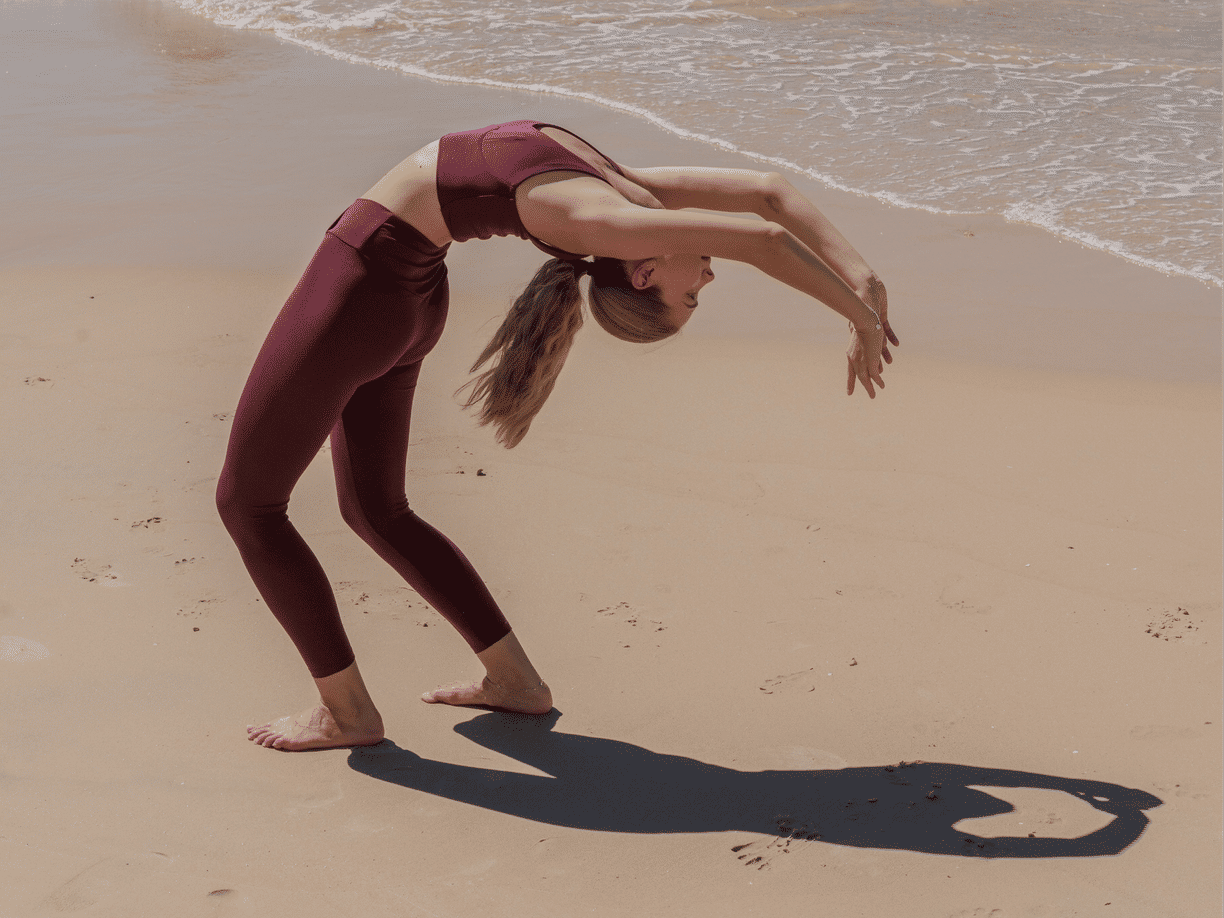
Image: Zubek
When Zubek launched its first run of leggings in April, they sold out despite costing €200 ($230) a pair. It was a steep price point compared to the sea of cheap polyester leggings that are out on the market, but for shoppers trying to cut plastic from their lives, these leggings were worth the premium.
Zubek, run by sisters Aneta and Beata Zubek, makes polyester-free activewear that it describes are containing “zero toxins”. It serves a small but growing niche of wellness-conscious customers who have already cut plastic from their kitchens and bathrooms, and are looking for more areas to optimize. “We are the last in the food chain,” Aneta Zubek says. “People already filter their water, they exercise, they biohack, they track sleep, and then they start to question: what am I putting on my body?”
Zubek herself had suffered with acne since her teenage years. She had managed to clear the deep, cystic spots from her face by overhauling her diet and skincare routines. But the ones on her back and chest seemed impossible to shift, until she wondered if the problem could be the clothes she wore to the gym. In 2024, she swapped her usual polyester for baggy cotton t-shirts and wool leggings, and her skin issues resolved within a month. She asked her sister, a fashion designer, to help her design a range of workout clothing that is “sexy, performs, and is super clean.”
A number of brands are now chasing the same shopper. Swedish brand Tripulse sells a range made from Tencel, while UK premium label Nero pitches “performance without polyester.” But making sportswear that is plastic free is tricky, given the qualities people like in their workout clothing — support, a tight fit — are hard to achieve without stretchy, synthetic materials. The Zubek sisters developed a total of 66 prototypes before they hit on the right formula for leggings. Their early, all-merino designs lost their shape after a single wear, and were too thin to be suitable for wearing in public. “When you’re squatting, it’s not the nicest view,” Zubek says.
Zubek’s makes its sportswear from materials like seaweed Tencel, merino wool and silk. It uses biodegradable rubber as an alternative to elastic, and limits elastane to no more than 5% when it is included in items like sports bras and leggings.
This type of sportswear is also more costly to make. Zubek says that organic cotton and Tencel are over three times as expensive as good quality polyester, and up to 12 times for quality merino wool. Natural fabrics are typically purchased in heavier weights — to avoid any unfortunate bare-all scenarios at the gym — and then there are the ancillary items, like all-natural toggles, buttons and thread, which are not always simple to source.
Through her own market research, Zubek estimates that a brand using high-quality polyester sells its workout clothing at margins of around 80%. When Zubek launched, it operated at a margin of around 40%, although through economies of scale it now achieves a margin closer to 60% while also selling products at a lower price than those original $230-plus leggings.
Zubek says this has been achieved without compromising on the brand’s core commitment to eliminating polyester, down to the bra clasps which are hand-sewn to garments to avoid using the usual plastic backing. “My tailor hates me,” she says. “But it has to be done.”