At Thingtesting, everything we recommend is independently reviewed. We may earn a commission on purchases made through our links.
Brands for the Boys
A new wave of brands is embracing masculinity while steering clear of the culture wars.
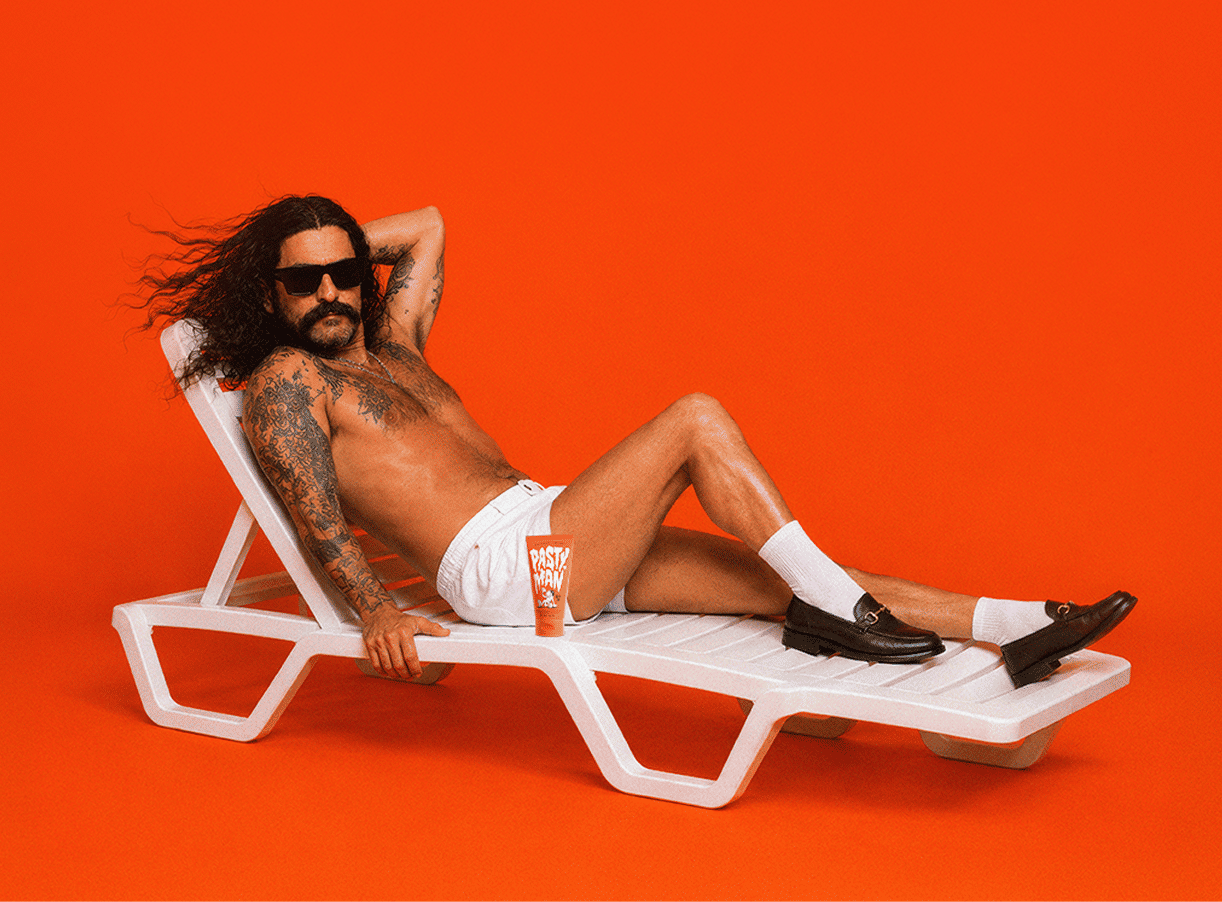
Image: Pasty Man
At a time where the battle for male hearts and minds feels particularly fraught, a new crop of consumer brands are embracing masculinity on their own terms.
Take Pasty Man, a New York sunscreen brand built around a real societal challenge: men wear less sunscreen than women, and skin cancer is more common among them. For co-founder Tobias Carlson, it’s a personal message. In 2023, he discovered a basal cell carcinoma on his chest, and had it removed. “I’d never really thought about sunscreen [before],” he says. “I always just used my wife’s, or whatever was lying around.”
After a bit more research, Carlson realised there were plenty of sunscreen brands targeting women — but none that spoke to him. Pasty Man leans into a self-aware, male-coded strain of humor, with a website adorned with jokey slogans (“for men who love the sun but hate to die”) and shirtless men with tattoos and long hair, incongruously posing on sun loungers. Even the name, the founders say, is “probably one of the most stupid [things] you can call a sunscreen.”
It’s a register more brands are embracing. Roadie, from Los Angeles, sells a 0.0% “super light” beer, that is marketed as pairing well with driving. The branding is wrapped in nostalgic American car culture and photos that looks like they have been taken on the way to a vintage rally. Ciggy’s, a vodka seltzer launched this summer and which currently limits its distribution to the island town Nantucket, has an Instagram feed filled with fishing trips, drunken pranks and jokes about washing meat. It's selling six packs, with a wink.
Non-toxic Branding
What’s not being sold is also important. The gym bro, manosphere version of masculinity that currently feels so loud in the culture is nowhere to be seen, and the brands channelling maleness are carefully carving a path around it. Pasty Man co-founder Erik Hofman-Bang says the founding team screens all of the brand’s communications to make sure they can’t be misinterpreted, going as far as to have a C-suite debate about whether the word “ass” or “butt” gives a better vibe (they opted for the latter). “We ask, are we being bro-ey or clever? We never want to be not brave enough to push boundaries, but not at the expense of becoming dude-bros,” says Hofman-Bang. “There are so many codes you can use and make fun of. But it's very important to us that we never come across as toxic,” adds Carlson.
The instinct is an understandable at a time where figures like Andrew Tate and Myron Gaines, and their conflation of masculinity with misogyny, feature in so much cultural commentary. There are also brands whose masculinity feels more aggressive than playful, selling manliness as something you can buy. Take Sigma, a testosterone booster with a screaming gorilla illustration on its bottle and a name that nods to memes about gender hierarchies, for example. “America swings back and forth with wild pendulums,” says Hofman-Bang. “This big masculinity push has come along, and we don’t want to associate ourselves with that.”
There is also the reality that, even for brands that channel an edgy masculinity, women make up a significant chunk of the customer base. Some brands targeting men report that as much as 20% of their customers are women, typically buying for their partners. Liquid Death’s founder Mike Cessario, for example, has previously described his brand as standing in opposition to “Whole Foods yoga moms”, yet its customer base is fairly equally split between genders. Pasty Man says girlfriends and wives are picking its product up for their partners.
What these brands would rather channel is a version of masculinity that doesn’t take itself too seriously. “I don’t think men are actively looking for brands that speak to men,” says Carlson. “They’re looking for brands they can connect with. Does it make me laugh, do I want to wear it like a badge?”