At Thingtesting, everything we recommend is independently reviewed. We may earn a commission on purchases made through our links.
Big Night was supposed to be a dinner party shop. It turned into something bigger.
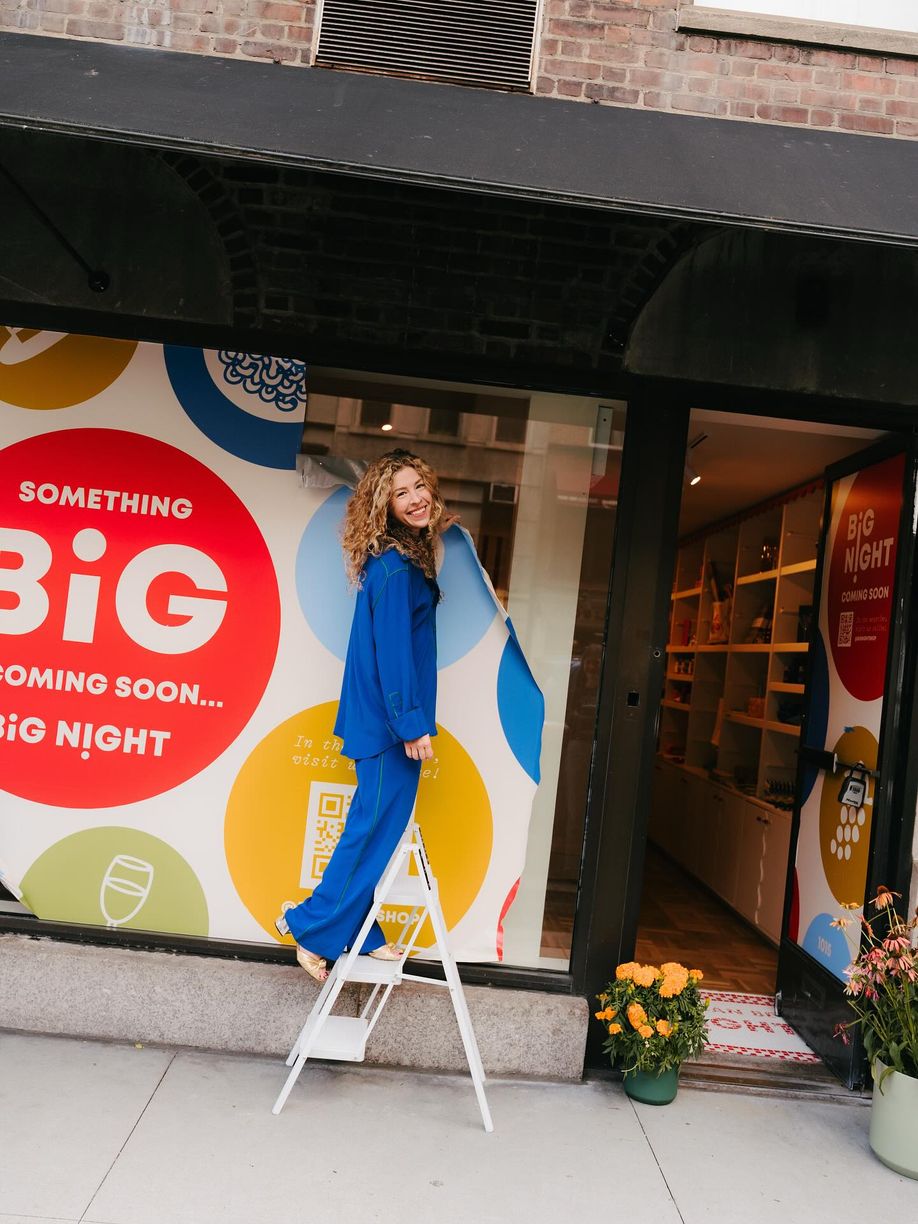
Katherine Lewin opened her first store in Greenpoint, Brooklyn during the post-lockdown boom. Now, with three locations, a cookbook, and a growing in-house product line, she wants Big Night to be more. Jenny Gyllander, founder of Thingtesting, sat down for a founder-to-founder conversation.
Photos: Big Night
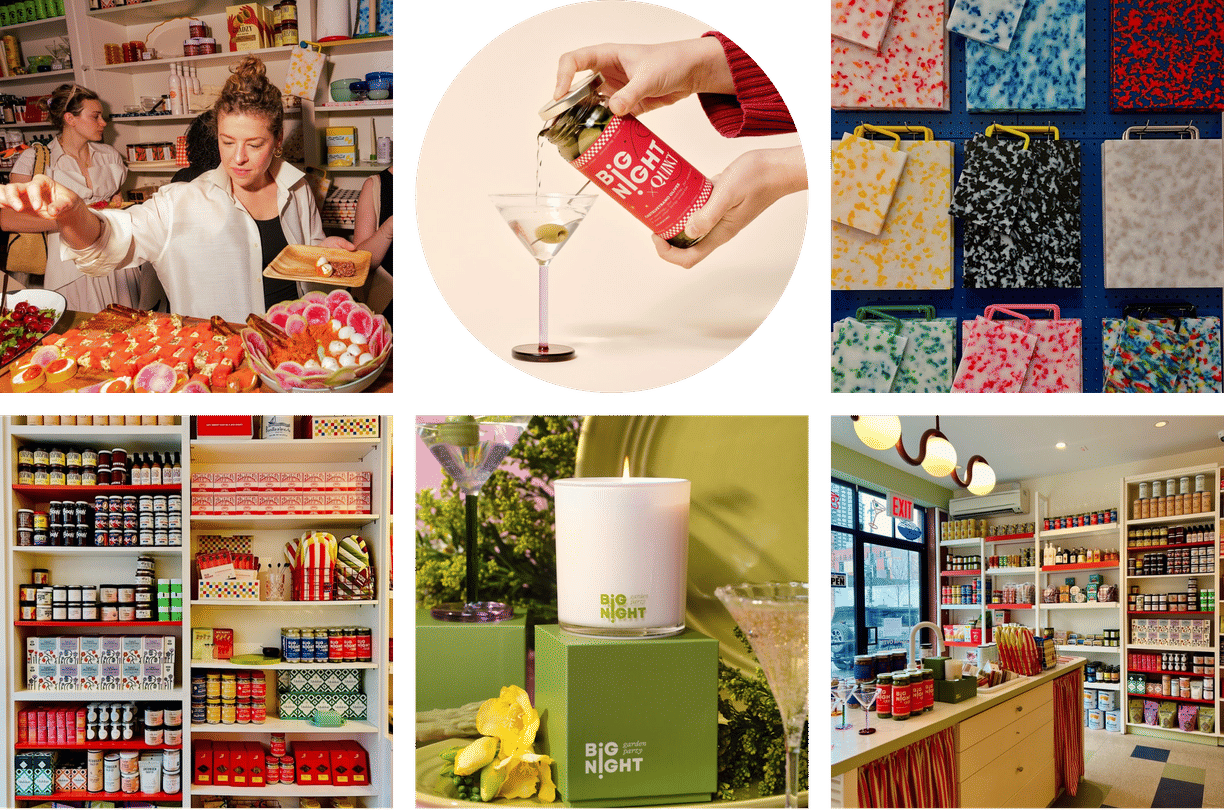
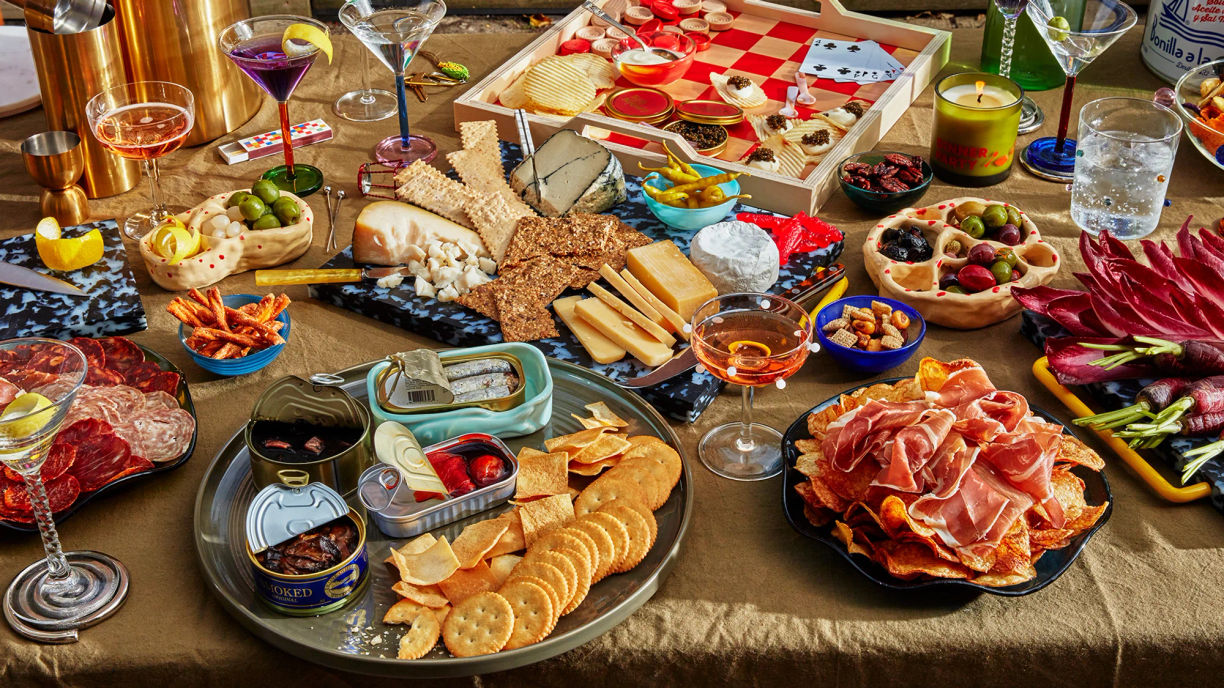
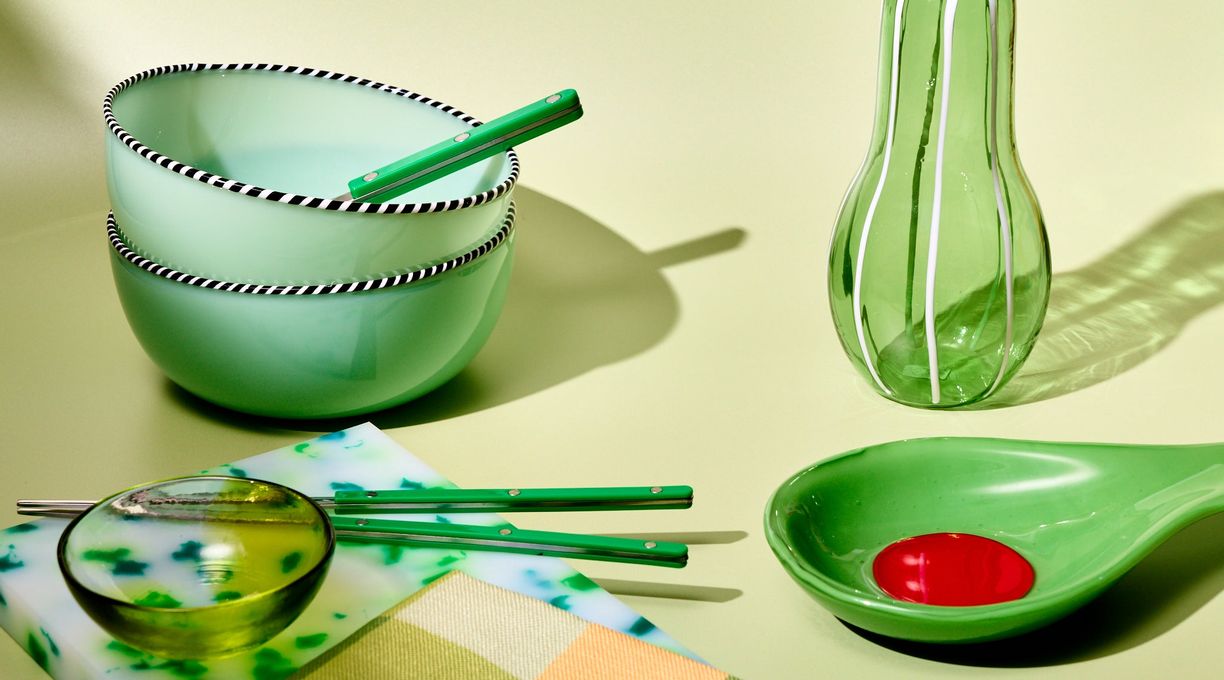
Big Night sells glassware, flatware, table linens, tinned fish, olive oil, and a lot of things in between. The stores are bright, colorful, and unapologetically fun. People walk in for a hostess gift and leave with a cutting board, a jar of chili crisp, and a set of pink wine glasses they didn't know they needed.
I've sent Big Night's gift packs to countless friends, especially Thingtesting colleagues (they are excellent for anyone that is into testing new stunning brands!). Katherine and I finally connected to talk about how her business has evolved, what she's learning from customers in real time, and why her mom is a not-so-secret part of her product sourcing team.
From dinner party shop to something bigger
Jenny: You originally described Big Night as "a dinner party shop." But in a recent interview you said, "Maybe your business has different legs that you didn't see before." Walk me through that evolution.
Katherine: The original idea lodged itself in my brain during peak pandemic lockdown. Dinner parties were going to be exciting when people could do that again. And a brick-and-mortar experience was going to be exciting because we'd all been shopping on screens for a year. It was the concept plus the medium. I had no grand plan beyond that. The biggest question was: are people going to get it? And they really got it. Five years later, we've gone from a dinner party shop to a brand that stands for making life at home feel more special. You don't need to be a host or a home cook to shop at Big Night. You just need to be somebody who wants to make everyday moments feel a little more sparkly. And that doesn't mean renovating your kitchen. It could mean buying one cutting board that smiles at you from the counter. Those little moments stack up.
How the industry shifted around her
Jenny: How has the broader industry changed around you while you've been building this?
Katherine: When I opened Big Night, I had no idea I was opening a store in the middle of the CPG boom. Everyone assumes I planned it. But the first time someone walked in, saw Fishwife on the shelf, and literally screamed, I was sitting at the register thinking: what is going on? It was like the Beatles. For the first two years, CPG and pantry dominated the conversation. People were so excited to discover these brands.
That hasn't gone away, but with CPG saturating all kinds of retail environments, it's forced us to make sure we're providing discovery beyond what people can find at Whole Foods. If they can get it there, what does that say about what needs to be at Big Night?
We've also seen a large increase in interest in home goods. And as we've launched our own products, the response has been incredible. Everything we make is a reaction to what customers have told us they want. We couldn't have built that product line without years of real-time research in the stores.
Jenny: It's funny, I'd answer this question the same way but from a different angle. My entry point was through "Instagrammable brands" and Meta spend arbitrage. Then Meta stopped working, brands rushed into physical retail, and now we're in this creator economy era. Same story, very different lens.
Katherine: Two sides of the same coin.
Curation as a competitive advantage
Jenny: How do you decide what to carry? I think I would have decision paralysis if I were you.
Katherine: Discovery is what keeps people coming back. We have a core list of bestsellers and reserve the rest of the room for newness.
On the food side, we taste every single thing we put on our shelves. We think about whether something is a once-a-year condiment or something that becomes a new everyday favorite. Quality, taste, usability. And yes, packaging matters, because our customers are often gifting these things.
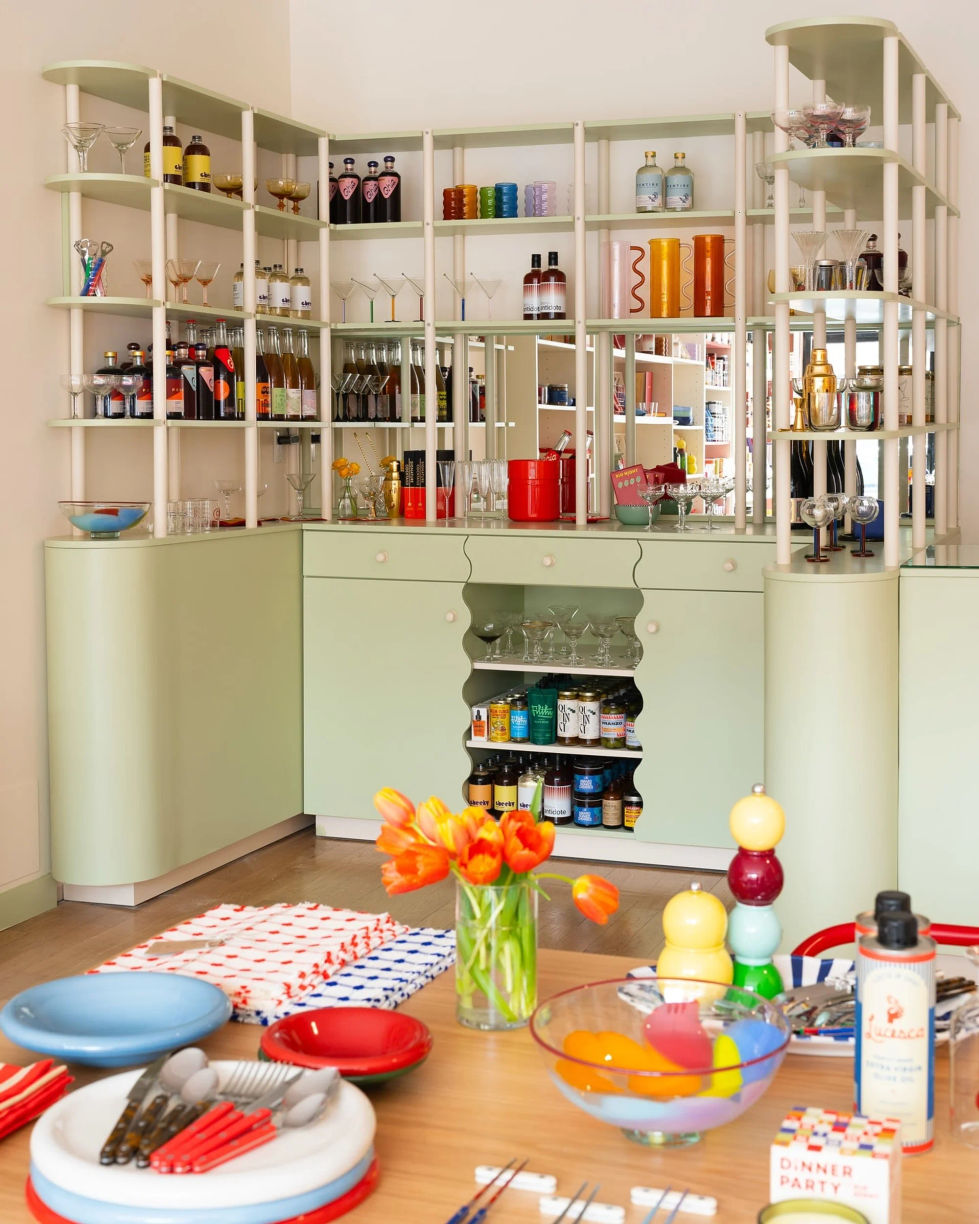
On the home side, I used to have nightmares about people walking in and feeling like they were in a carnival explosion. The opposite happened. People are delighted by the color and the lack of self-seriousness. Any merchant will tell you that if a product comes in seven colors, two of them better be your neutrals. In our store, they don't want the white and the black. They want the pink and the orange and the yellow.
Jenny: And how do you actually discover new products yourself?
Katherine: I'm always on the hunt. Any trip, any restaurant, I'm looking at every single thing on a table. Last year I went to a restaurant and was obsessed with their tablecloths. I went down a rabbit hole, tracked it to a linens guy who connects New York restaurants with a mill in Italy, and that became part of our assortment. You never know where you'll find something that makes you ask: where is this from?
Making vs. sourcing
Jenny: You've started making your own products. How do you decide what to make versus what to source?
Katherine: Our customers were interested in hearing our point of view. The more storytelling we could give around a product, the more excited they were. So I started looking for gaps where nothing on the market felt quite right. Aprons are a good example. There are a million aprons in the world. None felt right for Big Night. We'd been a kitchen-oriented store for five years and never had a hero apron. So we made our own.
We would never try to replace something where a brand is already making the perfect version. There are things in the store where I'm going to keep letting that glassmaker or flatware brand do what they do, because they'll do it better than I ever could. But where we see a gap? That's where it gets exciting.
The vintage buyer (a.k.a. Katherine's mom)
Jenny: I saw that your mom is your vintage buyer. As a thrifting nerd, I need to hear more about this.
Katherine: When we were opening the first store, we had no money. Two nights before opening, there was a prominent shelf with nothing on it. My husband suggested we put up a display of vintage coupe glasses. My mom had sourced them for our wedding so every guest had their own glass to cheers with. We had maybe 40 or 50 left over. It was meant to be a vignette, not something to sell.
Then we opened and people immediately asked: how much are the vintage glasses? They sold out right away. When my mom got word, she was like: well, let's play around. She lives in Michigan, driving around to estate sales, staying up at all hours on internet wormholes, sourcing for Big Night. Five years later, she's a huge contributor to our assortment. People keep coming back because you never know what she'll find next.
Lastly - a quick fire round: Brand spotting and product recommendations from Katherine
Big Night is part of Thingtesting Rewards.
Want to try the Crunchy, Roasty Glitter or those Fredericks & Mae cutting boards for yourself? Big Night is on Thingtesting Rewards. Shop through us, write a review, and get 15% back as a reward for your thoughtful review. Learn more about Thingtesting Rewards here.