At Thingtesting, everything we recommend is independently reviewed. We may earn a commission on purchases made through our links.
What’s with all these baking mix brands?
The continued boom in better-for-you products has created a new opportunity in the sleepy baking aisle.
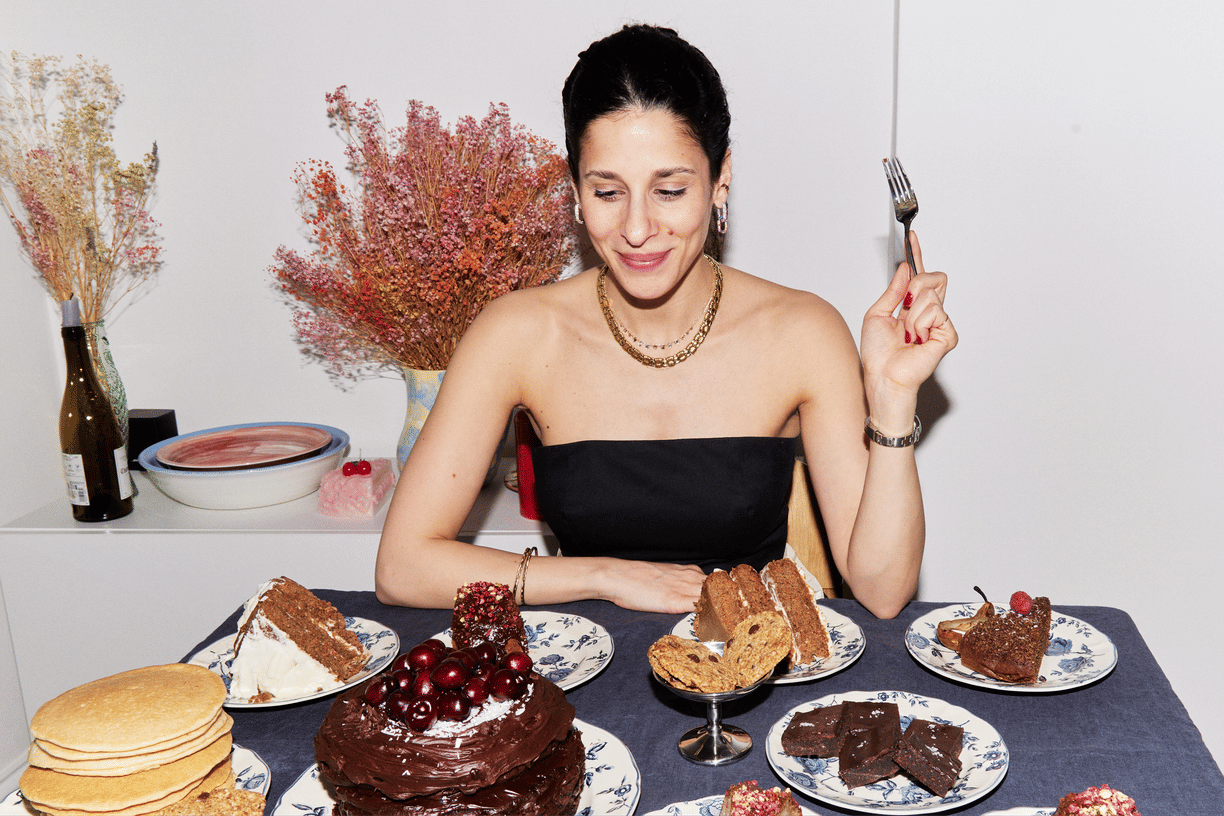
Photo: Good Mess
When Andrea Kazan was diagnosed with an autoimmune disease six years ago, it also took away a source of comfort: cake. Flipping to the ingredients panels on her favourite treats, she found they were full of the sorts of grains, additives, and refined sugars that could trigger her symptoms. So she asked her mom to come up with some new recipes, and in October 2024 they launched Good Mess, a better-for-you cake mix brand.
Sales of boxed cake mixes — the sort many of us will remember from childhood — are growing consistently, expected to rise from $3.2bn in 2025 to $4.6bn by 2035, according to Global Growth Insights. But while Betty Crocker’s Super Moist and Pillsbury’s Funfetti mixes may have been a staple for many grandparents, Good Mess and other new brands are betting that today's shoppers won't be interested unless these products are adapted to their tastes.
“Almost every single grocery store aisle has had a challenger brand come in with a ‘better for you’ version,” says Kazan. “Except for the baking mix category.”
Until now. Newer baking mix brands entering the category are positioning themselves in direct contrast to their mass market, ultra-processed competitors. Good Mess’s banana bread, pancake and brownie mixes are grain and refined sugar free, and use an average of five ingredients per mix. Ollin uses ancient grains and shuns preservatives to reimagine the classic chocolate and yellow cake mixes, while Oh So Easy uses ingredients like ube and miso that feature in baked goods elsewhere in the world, but have not yet made it to the US cake mix aisle. GoNanas makes allergen-friendly banana bread mixes in a variety of flavors, and Elia is targeting premium consumers with cake mixes that come with small bottles of specialty olive oil, that you add while making.
A third of all baking mix products are now being marketed as health-focused, according to Global Growth Insights. This is driven by the preferences of millennial baking mix shoppers, almost 60% of whom are looking for better-for-you options, according to the report. Last year, US brand Simple Mills, which sells better-for-you snacks and baking mixes, was acquired for almost $800m. The company had made $240m in sales the year before.
“Large corporations have spent [decades] thinking too much about their bottom line, and piling our food products with artificial ingredients,” Kazan observes. “It's pushing consumers to become more diligent and more demanding.” For both brands and retailers, this means an opportunity to bring entirely new customers into the category, instead of diverting existing shoppers and cannibalising sales that already exist elsewhere.
“We’re not competing with Betty Crocker,” says Kazan. Good Mess's cake mixes are stocked in stores like Whole Foods, as well as being sold online. “Customers who’ve never shopped in the baking mix aisle are now picking up our mixes, and we are increasing basket spend.”