At Thingtesting, everything we recommend is independently reviewed. We may earn a commission on purchases made through our links.
INDUSTRY WATCH
Why is Paper Everywhere?
In recent marketing trends, companies have leaned into using paper collateral to promote their product, whether it be a vintage-inspired how-to manual or a tried-and-true street flyer. We dug a little deeper and asked some questions: why paper, why now, and why are consumers eating it up?
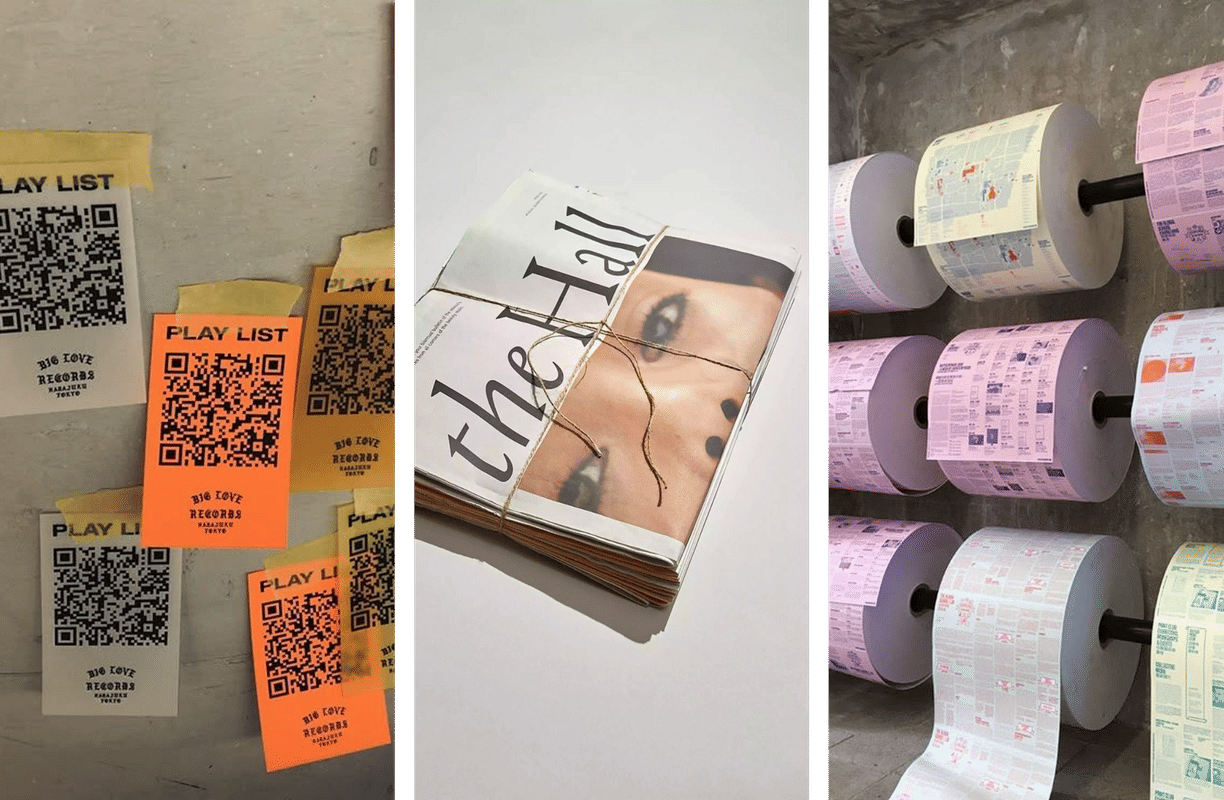
The most futuristic move in marketing right now? Going back to paper.
From glossy brand newspapers to photocopied zines, everyone’s experimenting with the texture of attention. It’s analog anarchy in a digital world. So why paper, why now, and what does it say about modern brand marketing?
A few weeks ago, my feed was drowning in Paris Fashion Week content. Runway cuts, influencer dumps, and polished BTS clips from Loewe, Dior, and Chanel filled every scroll. Then, quietly, a Substack post cut through the noise.

“The Row’s invitation was written in pencil, and the post-show snack (often a sandwich, bread, or pastry) was a bottle of water.”
Classic Olsen twins minimalism, sure. But it also nodded to something familiar, the latest phase in our analog obsession. Weeks later, I saw that the fintech company Ramp mailed out actual printed newspapers. Not PDFs or sponsored LinkedIn posts, real ink, real paper.

Paper has settled into its role as the quiet flex of modern brand marketing. What started as a niche aesthetic has evolved into a universal language. Whether you’re a heritage house or a DTC startup, the appeal of something that feels human, slow, and deliberate is impossible to ignore.
The New Luxury is Offline
When everything happens online, the offline becomes a flex. If The Row, the fashion house built on understatement, is sending out pencil-written invites, it’s not about aesthetics. It’s a statement: we don’t need the algorithm to stay relevant.
Digital marketing has given us endless reach, but it’s also flattened how brands communicate. Everyone’s optimized, clickable, and algorithmically tuned. Paper adds friction. It slows the experience down and reminds the consumer there’s a person behind the product.
Print campaigns have become what quiet luxury was to fashion, an act of restraint in an attention economy addicted to noise.
The Anti-Digital Rebellion
The fatigue has set in. The more brands flood your feed, the more people crave what’s missing: texture, weight, something they can hold.
Casey Lewis captured it perfectly in her newsletter After School:
“Gen Z is increasingly embracing analog culture as an antidote to the relentless online hustle and algorithm fatigue…”
When every interaction is tracked and optimized, authenticity starts to feel like a luxury. Analog communication offers something that can’t be measured, a fleeting sense of trust.
Print zines, film cameras, handmade flyers, it’s not nostalgia, it’s protest. Digital disappears. Paper lingers.
Tradition as Flex
What was once basic, paper, pencil, ink, is now coded as luxury. Nostalgia isn’t a feeling anymore; it’s a marketing strategy. In a landscape obsessed with being cutting-edge, the real status symbol is choosing not to chase it.
Only a handful of brands can pull it off. Print campaigns take time, money, and intentionality, three things most brands don’t have. Which makes it aspirational by default. Cue the AI mockups designed to look like paper products or billboard ads.
For consumers, receiving something printed feels like being seen. It suggests care, craft, and permanence, qualities that stand in stark contrast to disposable digital ads.
Aeston West announced its launch through a printed newspaper. Celisse includes a 20-page “Celisse Method Manual” with every order. Suddenly, paper isn’t a delivery medium, it’s the message.

From Street Flyers to Status Symbols
What’s happening is the trickle-down of analog cool. High-end brands are making print feel elite again, and soon enough, everyone else will follow. Even mainstream brands are starting to borrow from the playbook, reviving print as a mark of "authenticity".
These once-forgotten formats are being rebranded as experiential moments, proof that even tradition can be re-engineered for relevance.
Here’s the irony: the same channels brands abandoned for being too old-school are being resurrected as aesthetic objects. Every rebellion ends up resurrecting what it tried to kill.
So, Why Paper?
Because it’s tangible. It demands time. It resists the swipe.
Maybe this is the full-circle moment: when fintech startups print newspapers, when The Row writes in pencil, when Glossier buys full-page ads in *The New York Times.* In an era where attention feels fragmented, the permanence of paper feels grounding, a reminder that meaning can still live offline.
Paper isn’t the new flex. It’s the original one, and brands are finally remembering why. Paper is not just back. It’s powerfully, deliberately, offline. At least, until the next rebellion begins...