At Thingtesting, everything we recommend is independently reviewed. We may earn a commission on purchases made through our links.
INDUSTRY WATCH
If Booze is Out, What's In This Holiday Season?
The seasons are changing, a chill is in the air, and soon families and friends will gather in dining rooms across the country to ring in the holidays. The air will fill with a chorus of laughter and clinking glasses. Platters of food will pass across the table, and drinks will certainly be flowing. But this year, those drinks might look a little different than those in the past. Instead of glistening champagne, non-alcoholic aperitifs like Ghia's Le Fizz will sparkle up the night.
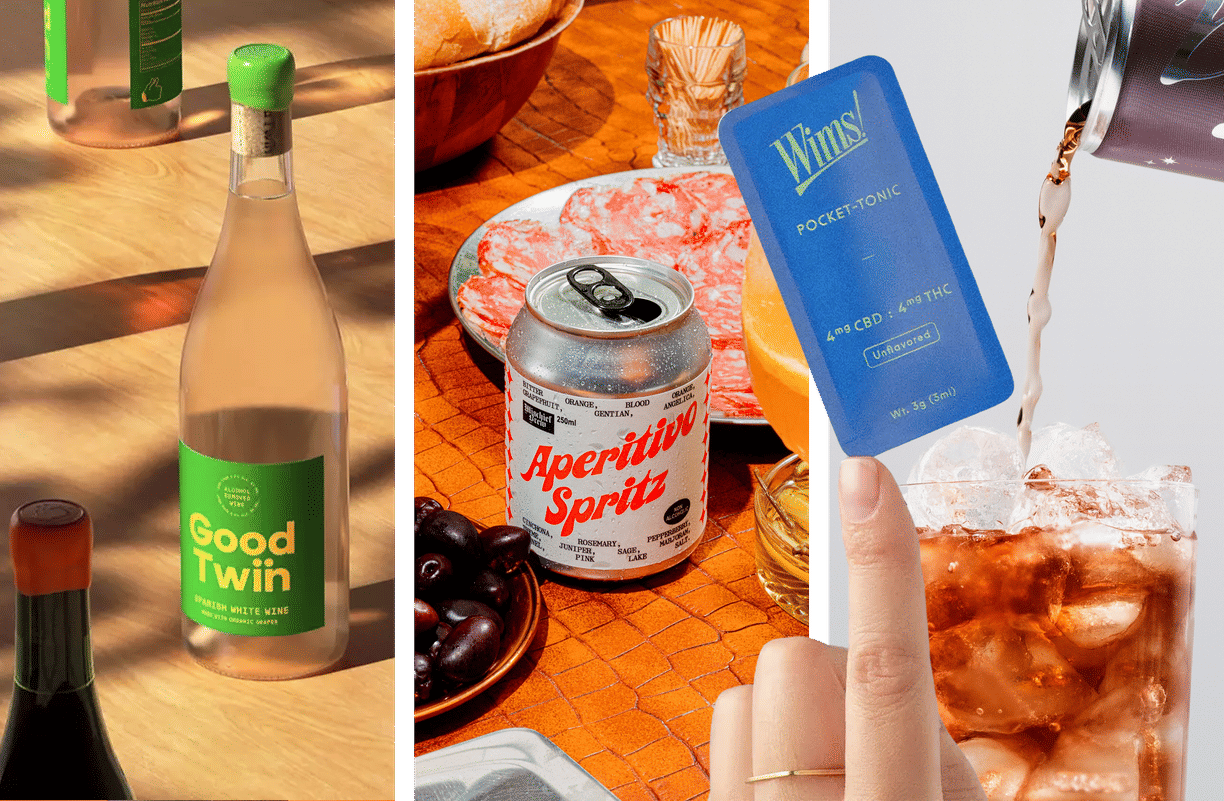
Good Twin, Mischief Brew, Erha, and Wims! make non-alcoholic alternatives that are changing the DNA of the beverage industry.
A Case for Functional Beverages
The global matcha shortage is evidence enough that consumers aren’t drinking anymore. Trends in the beverage industry point to shifting social values. People want to enjoy a stimulating refreshment in communal settings, but without the downsides that come with getting drunk (hangovers, social anxieties, and destroyed productivity).
The functional non-alcoholic beverage market is no longer emerging. It’s here to stay. And this means that brands must work extra hard to differentiate themselves in an increasingly crowded sector. This holiday season, just in time for Dry January, keep an eye out for beverage brands thinking outside the box.
Selling More Than a Drink
With new non-alcoholic beverages popping up every day, a cohesive brand narrative sets a product apart. A strong brand identity can evoke feelings of a specific time, place, or persona, transporting the customer. It’s these brands that keep people coming back for more, because they enlist them in their mission.
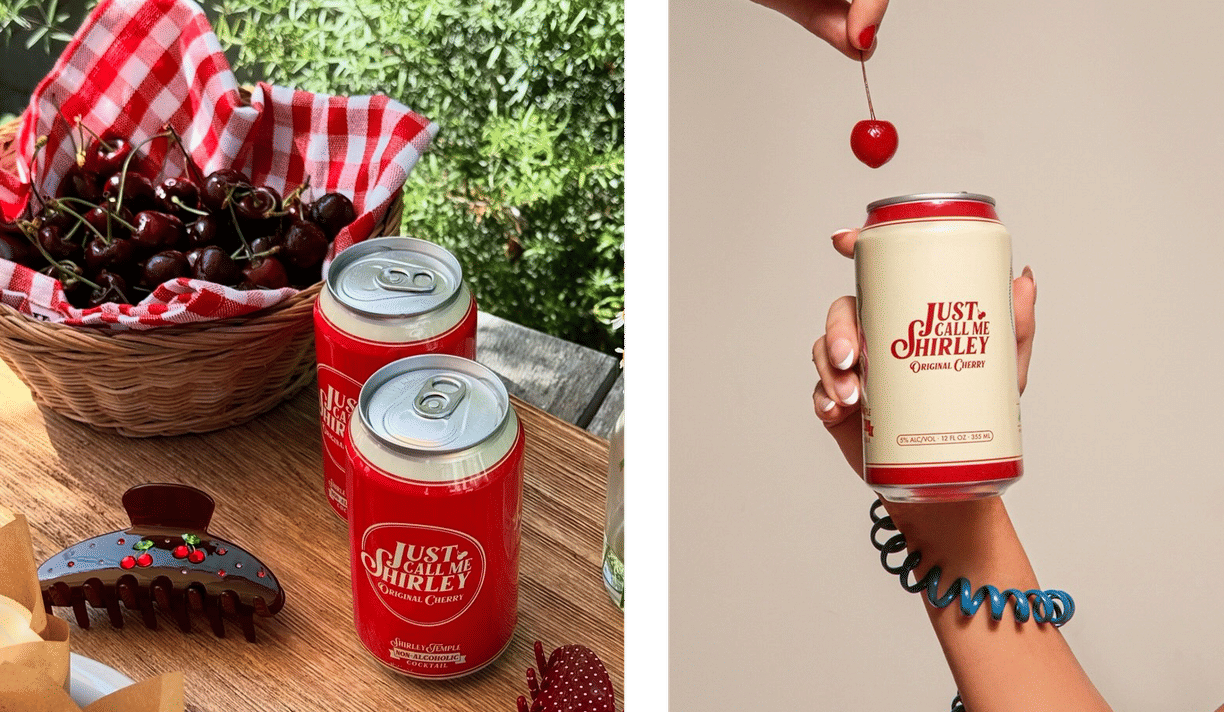
Just Call Me Shirley introduced a line of Shirley Temples canned cocktails earlier this year. They offer three products: two containing alcohol, and one without. This alcohol-free option also comes *with* electrolytes. Not only do customers skip the buzz, they score extra hydration, too. On their website homepage, they welcome us to the “essence of the 60’s era”, inspiring the “clinking of glasses echoed through smoke-filled rooms.” Immediately, the brand situates the customer in its world of mid-century nostalgia.
THC Additives are the Newest Disruptor
In place of alcohol, consumers are searching for another way to chill out in social settings, and THC-infused additives are the next best thing. They’re discreet and convenient, and can be added to any drink at any time for a controlled social enhancer. Consumers are seeking more autonomy over their substance intake, and adding a slow-burning 4 milligram dose of THC to a drink allows the user to sip at their own pace.
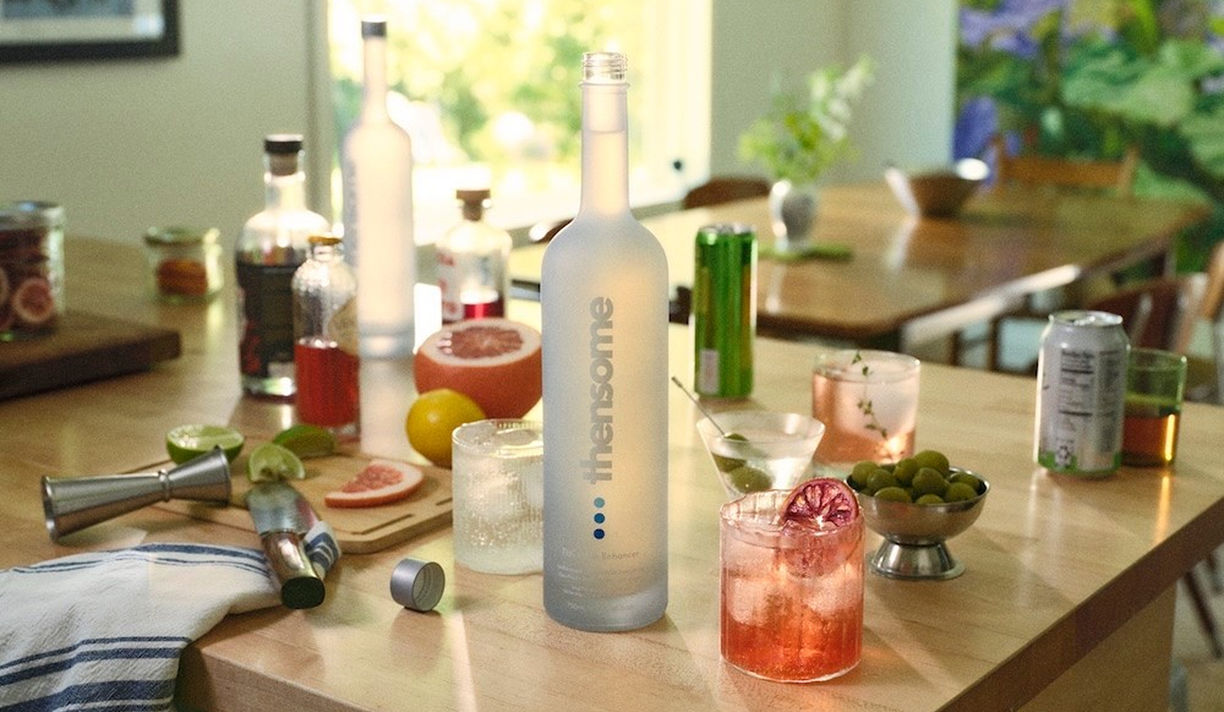
This is a far departure from the wild party days of the past. What’s more, THC additives are enjoyable in more settings than one. thensome has caught on to this train of versatility, manufacturing a clean, unflavored 36-ounce bottle of hemp-derived THC enhancer. With this product, beverage fanatics have endless opportunities. The bottle makes an equally unique addition to a dinner party spread or a pregame mixer lineup.
All Grown Up
More beverage brands are going for a refined design look. Whether it’s to make the conscious decision to go alcohol-free feel more mature, or it’s to distinguish the quality of the product, the care put into packaging, can, and digital marketing design pays off.
With numerous drinks in the beverage space, brands attempting to break into the market must look the part. This will help them gain credibility in the established sector. Here is Erha, a functional beverage infusing super herbs and powerful nutraceuticals. They’ve taken a sleek, minimal approach, proving they mean business.
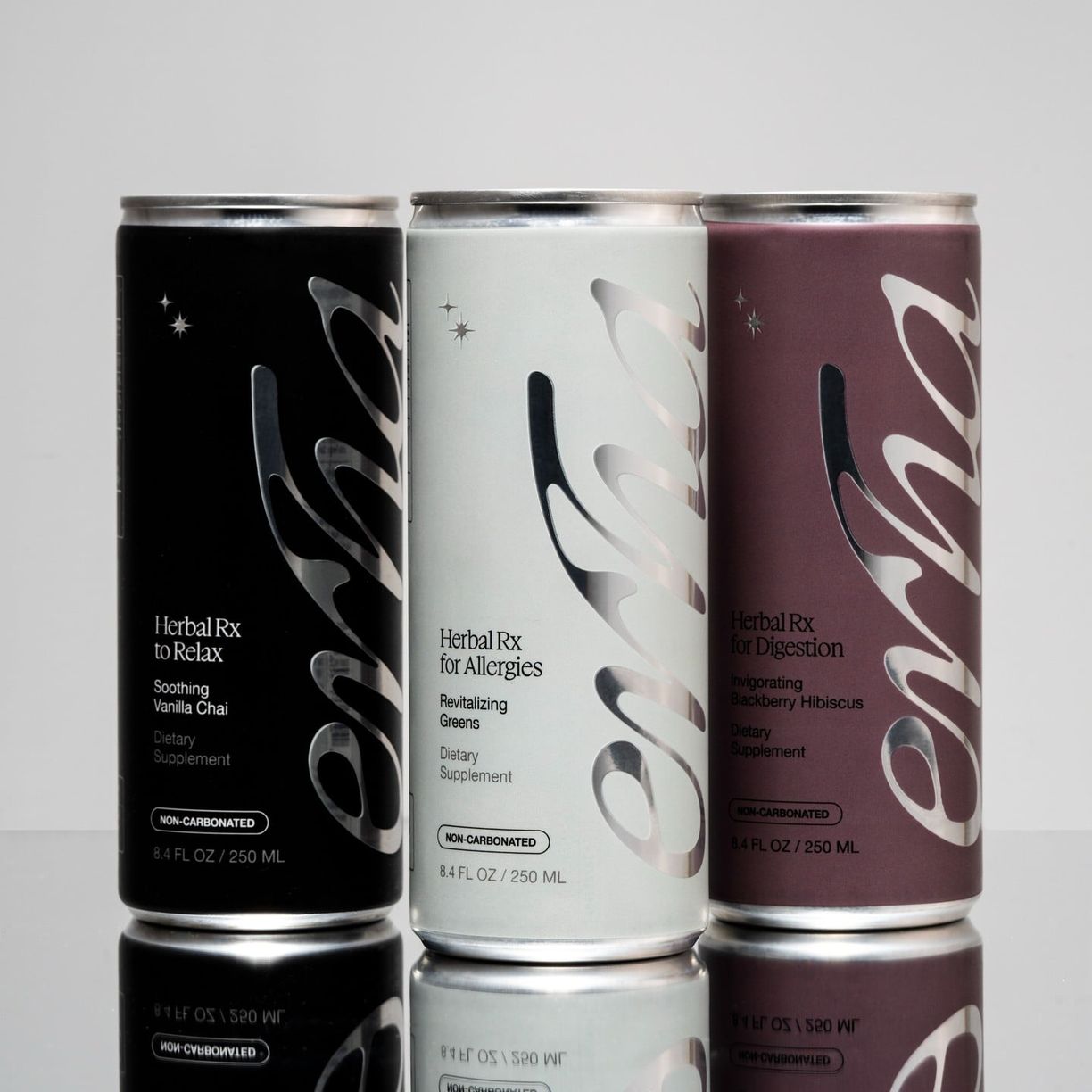
However, even more than this, brands may need to adopt a new visual identity altogether to stand out.
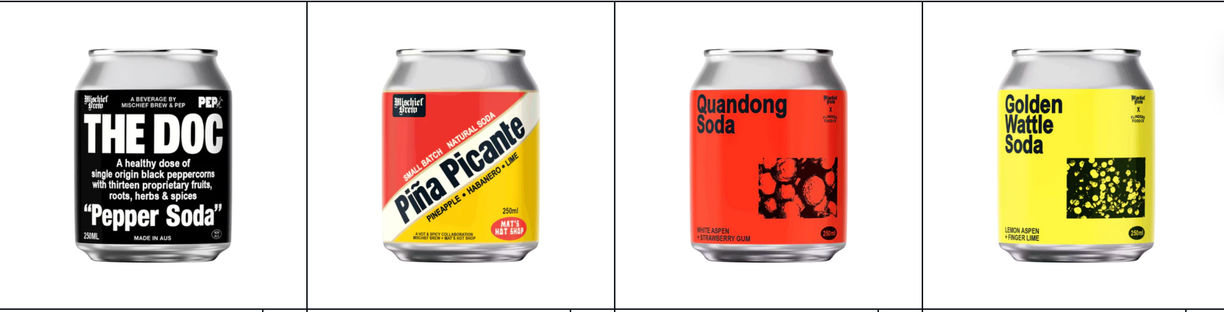
Mischief Brew boasts a vibrant website with bold colors, statement Gothic Sans typeface, and modern can design. The site reads more like a lesson in graphic design than a beverage brand, but it’s this defining look that differentiates their product.
Purity as Positioning
A consistent concern with all beverages is the ingredient list. Brands standing out are taking the initiative to lay it all out bare, advertising the content of their blends on their websites and social media. Journeé promises “real ingredients,” and even courageously details the makeup of their formula.
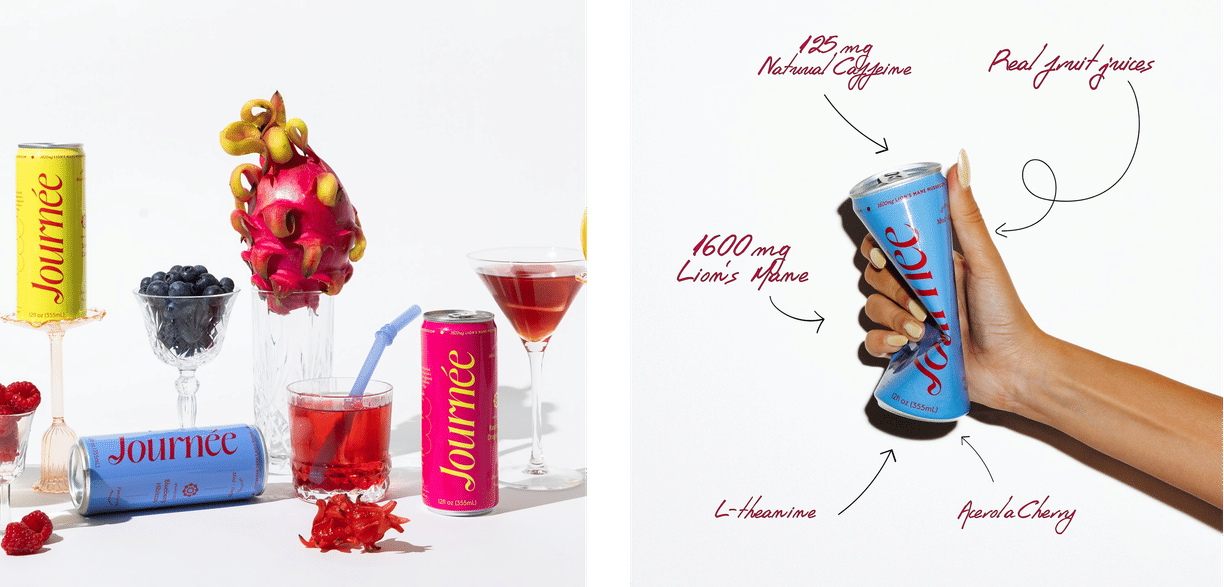
Lion’s mane, caffeine from coffee beans, acerola cherry, and L-Theanine are the natural, whole foods that contribute cognitive benefits to their customers. Journeé knows that to gain a loyal customer base, its brand must be transparent about its recipe; otherwise, users will find another, more evidently healthy company to incorporate into their wellness routine.
In a crowded market, differentiation is crucial. And beverage newcomers are guaranteeing distinction through brand narratives, THC-infusion, cutting-edge design, and solid ingredients. The non-alcoholic market is certainly getting a makeover this holiday season.