At Thingtesting, everything we recommend is independently reviewed. We may earn a commission on purchases made through our links.
FOUNDER INTERVIEW
Do America’s guts need rewilding? Good Bacteria thinks so
Eating for 38 trillion (the estimated number of bacterial cells in and on our bodies) isn’t as simple as popping a probiotic, Anabel González says
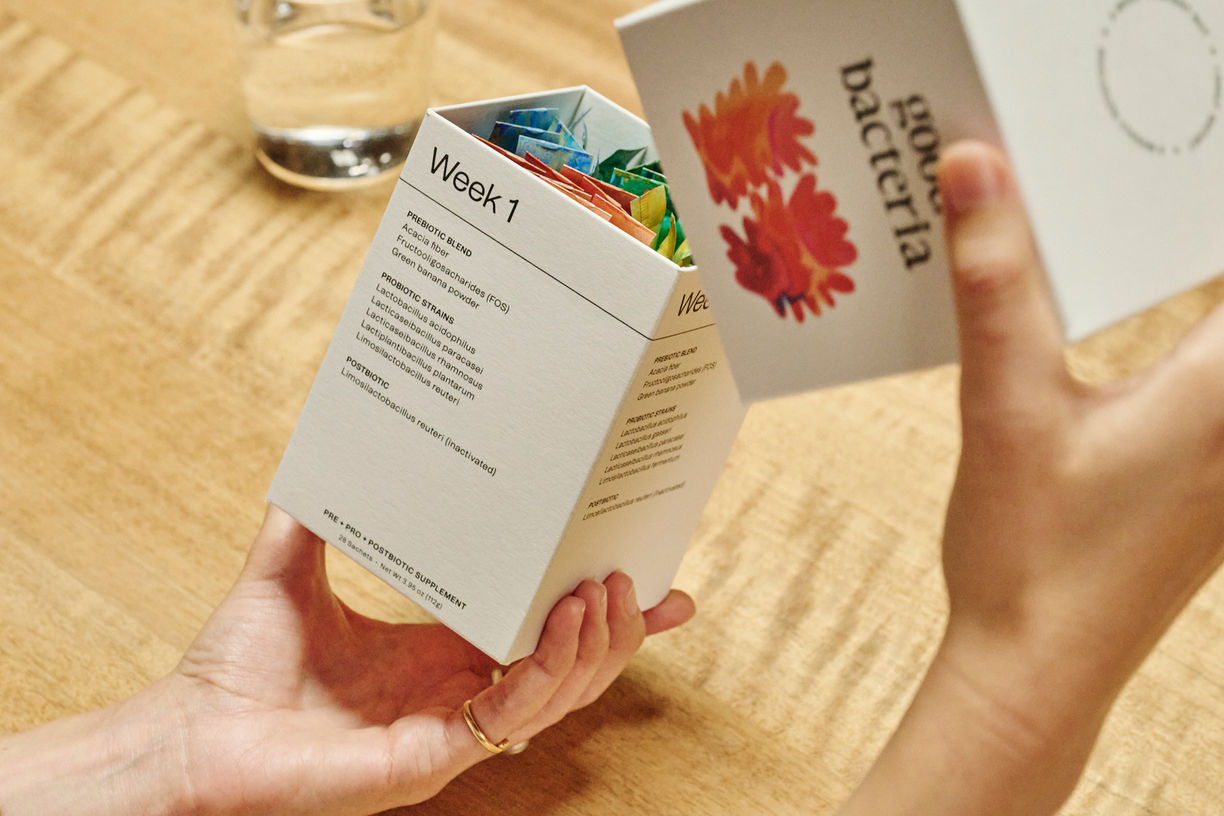
Image: Good Bacteria
In 2022, Anabel González gave birth to her son. She’d been living in California, working in the film industry, and wondering what to do with her life long-term. Then postpartum depression hit.
The experience was brutal. González developed night sweats and gained 80lbs in weight, and experienced worrying mental symptoms such as paranoid thoughts.
“I was struggling,” González says. “I did psychedelic therapy, which was pretty miraculous. Then, once my brain was OK, I had a lot of healing to do from there.”
She began exploring natural remedies to support her recovery, training as a health coach and learning how to ferment papayas, berries and oats at home. “I learned that diversity is the strongest indicator of a healthy gut, and that if you nourish that bacteria you can radically change how you show up in the world,” she says. That insight became the foundation for her “symbiotic” supplement brand, Good Bacteria.
The company sells boxes of 28 sachets, each containing a different combination of pre-, post- and probiotics (hence the term “symbiotic”). The idea is that by switching up your probiotic intake (instead of taking the same supplement every day), you can better support the colonies of bacteria jostling inside of you. The science suggests that bacterial diversity has a positive impact on everything from digestion to immunity, even potentially extending to things like metabolism and mood regulation. Good Bacteria is the first brand to build a product around the idea of rotating your bacteria.
But in a supplements market that’s already crowded with brands, bold claims and consumer scepticism, can González sell a new idea?
(This interview has been edited and condensed for clarity.)
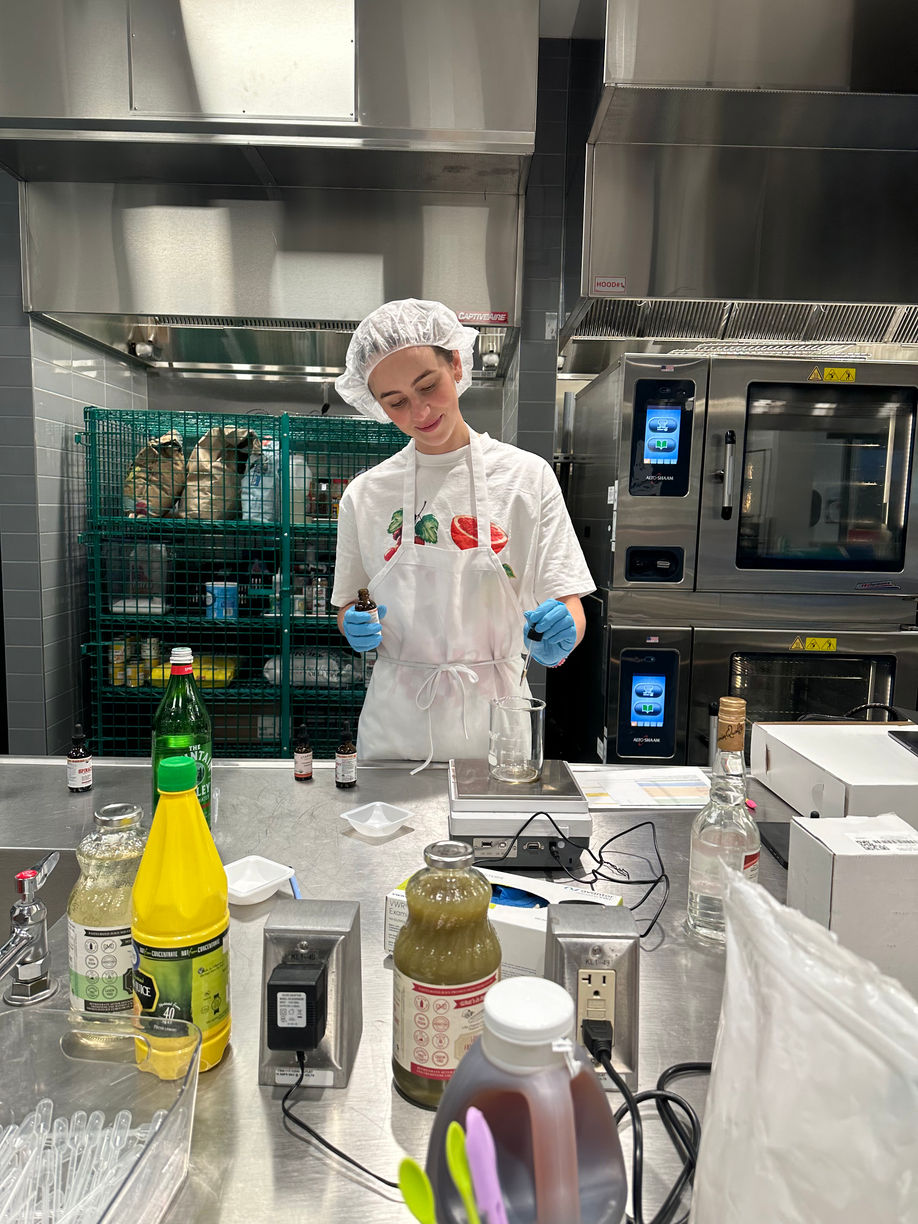
Good Bacteria founder Anabel González experimenting in the lab
Thingtesting: Good Bacteria’s tagline is “there is a universe inside of you”, which is a bit trippy. How does that idea speak to you?
Anabel González: The idea that there’s a universe inside of us, that we live in symbiosis with microbes all around us, in our soil and in our ecosystem, inspired the artist in me, as well as the problem solver.
Our mission is about exploring the connection between a vibrant spirit and a healthy gut. There’s a cosmic element to our brand, but I knew it was important to ground ourselves in science too, and work with reputable experts in the microbiome space. David Zilber [a food scientists and former director of fermentation at Noma] was very much a muse when it came to the design of our brand as well as our product. I watched a Masterclass that he did, which bridged the mystical and the science, and that’s what I wanted to bring to market. I actually got to meet him at the Stamford Fermented Food Conference, as well as some of the other minds that inspired the product.
Small world.
It is. Because I wanted to figure out how to create a supplement version of a fermented food, I looked for amazing scientists in the fermentation specifically. One of our lead scientific advisers is Dr Johnny Drain —
Yeah, we know him!
He’s a bit of a unicorn — the “Walter White of fermentation”, but also a doctor. We have an exciting partnership next week with him and Happier Grocery in New York.
So, you had this personal experience of being unwell and then getting better. But you’re not from a scientific background. How did you get a scientist on board with your idea? Did you have your assumptions challenged?
I got very lucky, Dr Leigh Frame [Good Bacteria’s chief wellbeing officer and founding scientist] was the first doctor I reached out to. I joke that I don’t know why she said yes to me — she’s a Johns Hopkins doctor, she has all the accolades in the world, and I was just a mom with an idea. She’s also a yogi, and said she had a good gut feeling.
She set the standard. We've noticed that as well as bringing something new to consumers, there’s also a lot of excitement from experts in the microbiome space. Typically when something new comes to market in the world of supplements, scientists may not appreciate it very much. But we’re getting excitement from GI doctors, healthcare practitioners, nutritionists…
What are they excited about?
The concept of rotation. We're just kicking off a clinical study, because a rotation probiotic system hasn't been done before. The probiotic market to date has exposed our bodies to the same strains of potent bacteria over and over, which is a static way of taking a probiotic rather than a system-focused way of feeding the ecosystem [your microbiome] different inputs over time.
The microbiome space is so new, we’ve barely scratched the surface of what we know to be true. A lot of supplement brands have all the answers, and are very prescriptive about what you need to do. We want to go on this exploration of the world of microbes with our consumers.
So how does rotation work when it comes to probiotics?
I’d heard that people were rotating and switching up their probiotics, DIY-ing it, and clinicians were recommending it but no brand was addressing it.
DIY-ing?
Yeah. People are going to the pharmacy and buying different brands, taking breaks and switching up their probiotics. There are a lot of threads about it on Reddit.
Okay. So carry on…
So, with Good Bacteria, there are four blends. The prebiotic fibres and postbiotic stay consistent, and we have a variety of probiotics each week, which include some are the most studied in the industry like LGG and BB-12, which are tied to a number of health functions like improving digetion, immunity... Some of our strains have been studied for the gut-brain connection, too.
Our CFU counts [the estimated number of viable bacteria per sample] start low, and you work your way up. Week three has the highest peak, then it cycles back down. We intentionally selected lower counts more in alignment with standards in Europe and the UK. In America, more is better and people blast their bodies with hundreds of millions of CFUs, which may be creating a monoculture in your system.
You can take [the powders] first thing in the morning, on an empty stomach or with your first meal. You can put it in your water, mix it into your smoothie or your yogurt. But we don't recommend putting it in hot coffee or tea, because it can compromise the probiotics.
How do you convince people a supplement works?
One of our unique differentiators is that we include fibre, and because we have these types of diverse fibre people see a quick result in their regularity. I think that helps.
There's a world right now that's a bit snake-oily. Really bold claims being made, and everyone wants a quick fix. It’s tough because diversity and gut resilience builds over time. We want to be about lasting wellbeing, and balance that with some of the more immediate claims we can make.
How long are we talking?
It's hard to quantify because everyone's gut microbiome is different, and everyone is going to respond differently to our product. We recommend at least three cycles to really see a difference, though after the first 28 days you should feel a difference.
What difference?
The immediate impact is in your digestion — bloating and regularity. Mental clarity and energy will come after three months of nurturing your gut, whether that's with Good Bacteria or with fermented foods or by consuming more fibres.
You should be consuming bacteria and fibres and feeding your gut with a diversity of microbes and nutrients over time. People associate feeding their bacteria with their digestive system, but there are so many microbes in and all around you. Gut health has moved from niche to necessity and we’re understanding it's essential to whole body health. But there's still a lot to educate people on, and the science is still exploring.